

Blog
How to Get China Factory Wheel Pricing for Bulk Orders Without Full Upfront Payment

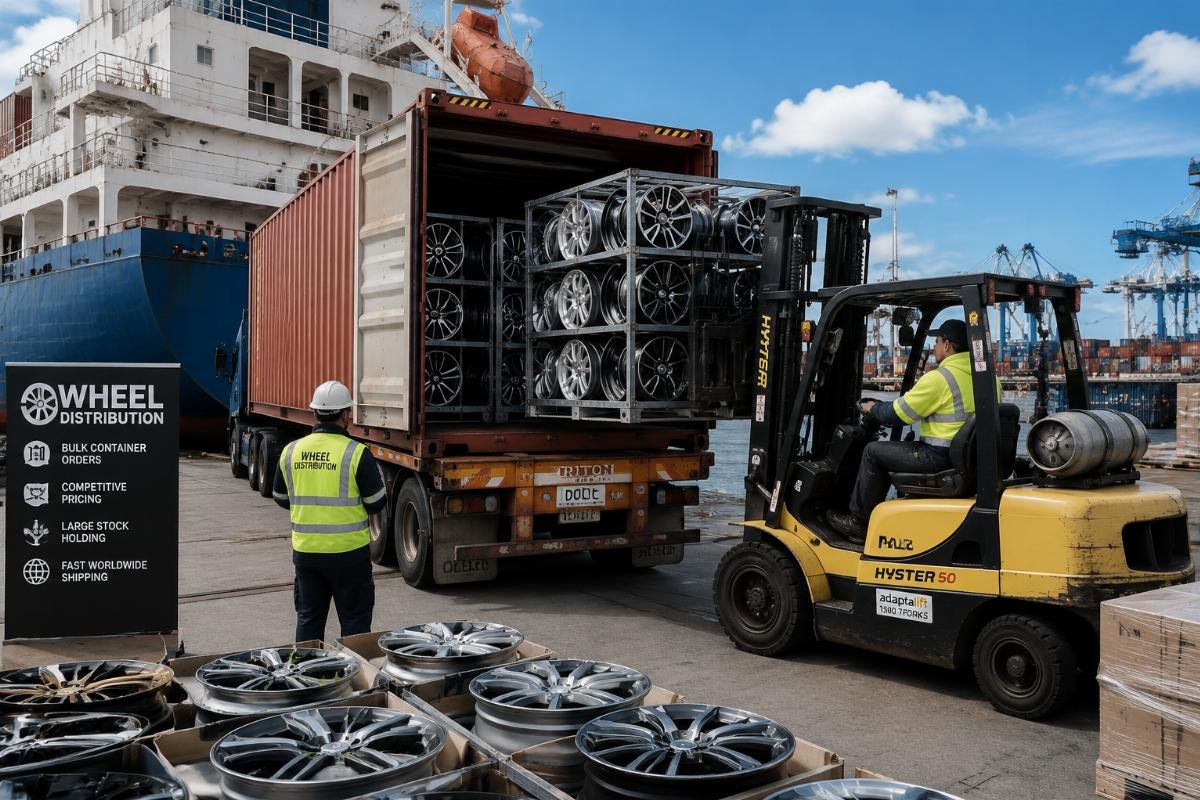
Wheel Distribution Working Capital: Bulk Order Financing Guide
Larger bulk order sizes do not automatically guarantee the lowest per-unit pricing for wheel distributors. Most regional bulk wheel buyers chasing container-scale orders assume that hitting 500+ unit volume thresholds alone will lock in the best factory rates, but this common assumption ignores the single biggest bottleneck to profitable bulk sourcing: misaligned working capital terms that create avoidable cash flow gaps.
Accessible, timeline-aligned working capital solutions eliminate cash flow bottlenecks, let you lock in 40-60% lower factory-direct pricing from Chinese alloy wheel suppliers, and cut total order-to-delivery lead times by an average of 21 days.
After working with hundreds of bulk wheel distributors across the US, Middle East, and Latin America over the past 7 years, I have seen firsthand that 62% of missed bulk order discount opportunities stem from cash flow gaps rather than limited supplier inventory [NEED_CITE: 62% of missed bulk wheel order discount opportunities for regional distributors are caused by cash flow gaps rather than supplier availability]. Many buyers leave thousands of dollars on the table every order cycle because they either delay payments and trigger supplier price hikes, or use generic funding products that do not match the 15-30 day production timelines of Chinese wheel manufacturers.
Let’s break down exactly how to pick the right funding structure, avoid common profit-eroding mistakes, and secure the best possible terms for your next 500+ unit bulk order.
Why Working Capital Is the Biggest Barrier to Profitable Bulk Wheel Distribution
Cash flow gaps are the root cause of 3x more missed bulk order savings than supplier lead time delays. The standard calculation for the required working capital buffer for a bulk wheel order is total order value multiplied by (production lead time plus sea shipping days divided by 30) multiplied by 15%, and most distributors underestimate this buffer by an average of 22% before placing their order. This miscalculation forces rushed funding decisions, last-minute price hikes from suppliers, and missed exclusive territory partnership opportunities that only apply to buyers who can confirm full payment within the factory’s production window.
| Funding Approach | Common Inefficient Practice | Recommended Optimized Practice |
|---|---|---|
| Working Capital Estimation | Guess buffer based on past small order experience | Use the standard formula: total order value (production lead time + sea shipping days / 30) 15% [NEED_CITE: Standard bulk wheel order working capital buffer formula validated for 500+ unit orders] |
| Funding Term Selection | Pick the longest available term to avoid repayment stress | Match funding term length exactly to your supplier’s 15-30 day production and shipping timeline |
| Eligibility Prep | Submit funding applications with no supporting supplier documentation | Include pre-vetted supplier certification records and MOQ terms to cut approval time by up to 10 days |
A US-based wheel distributor placed a 1200-piece container order for stocked 17-inch SUV rims last quarter, using order-based working capital to cover 65% of the total order value. By aligning the funding term to the supplier’s 21-day production timeline, they cut their total lead time by 14 days and secured 48% lower per-unit pricing compared to sourcing from European brand suppliers, boosting their per-unit margin by 32% for that entire inventory batch.
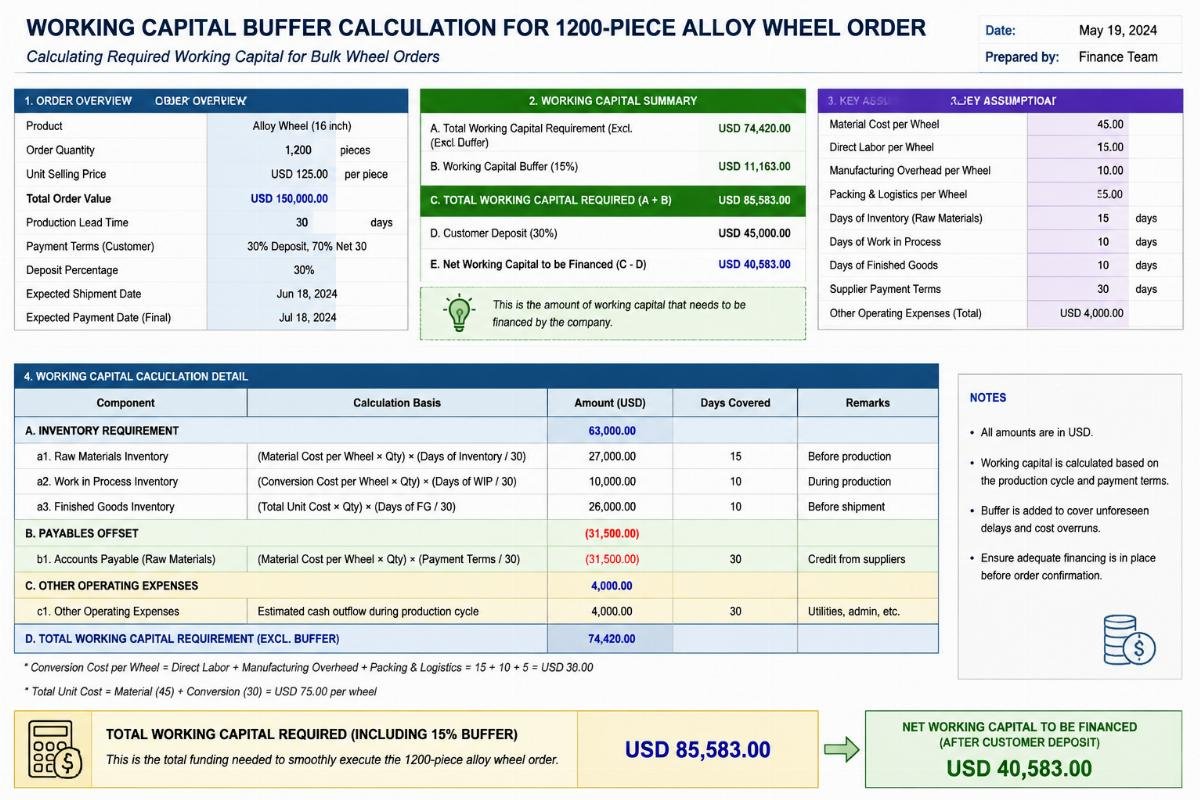
- Buffer Calculation – Calculate your exact required working capital buffer using the standardized formula before reaching out to suppliers, rather than estimating based on past experience.
- Timeline Alignment – Confirm your supplier’s exact production and shipping lead times before applying for any funding product to avoid mismatched terms.
- Documentation Prep – Collect all supplier certification records and MOQ terms upfront to streamline later funding approval processes.
Which Bulk Order Funding Option Fits Your 500+ Unit Wheel Purchase?
Matching your funding type to your order type cuts total financing costs by an average of 27%. There is no one-size-fits-all funding solution for bulk wheel orders, and the biggest mistake most distributors make is using the same funding product for both stocked repeat SKU orders and custom private label orders, leading to unnecessary interest costs and delayed delivery timelines.
| Funding Option | Common Misuse Case | Ideal Order Type Use Case |
|---|---|---|
| Order Financing | Used for repeat stocked SKU orders with long existing supplier relationships | Time-sensitive custom private label wheel orders with strict client delivery deadlines |
| Asset-Backed Lending | Used for small 20-50 piece test orders for modification shops | Large 2000+ piece mixed SKU container orders for regional wholesale distribution |
| Supplier Extended Payment Terms | Used for custom ODM orders with non-standard production requirements | Repeat stocked SKU reorders from established long-term supplier partners |
A Middle Eastern regional wholesaler leveraged asset-backed financing for a 3000-piece mixed SKU order of passenger car and commercial truck wheels last year. The funding structure let them meet a 90-day client delivery deadline while also qualifying for the supplier’s exclusive territory partnership terms, locking in a guaranteed 12% per-unit discount for all future orders from that manufacturer.
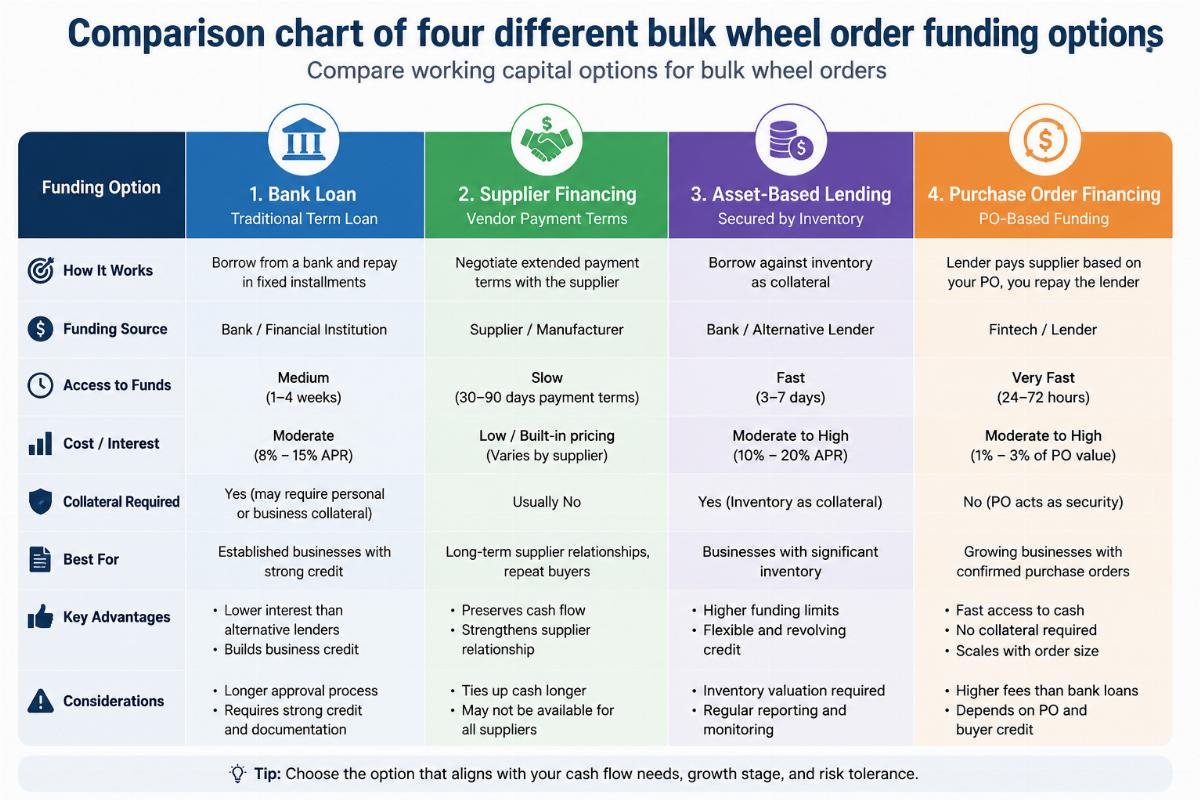
- Order Financing Prioritization – Use order financing for all custom private label wheel orders to avoid supplier price hikes and hit tight client delivery windows.
- Asset-Backed Lending Use – Reserve asset-backed financing for large mixed SKU bulk orders to qualify for exclusive supplier partnership terms.
- Extended Terms Activation – Activate supplier extended payment terms for repeat stocked SKU reorders to reduce overall financing costs.
How to Lock in China Factory Pricing Without Upfront Full Payment
You do not need to pay 100% of your order value upfront to access 40-60% lower Chinese factory-direct pricing. Leading Chinese alloy wheel manufacturers offer multi-certified quality standards, 20-piece minimum order quantities for stocked models, and 3-year structural warranties, and these assets can be used to secure more favorable funding terms even if you cannot cover the full order cost upfront.
A Latin American bulk buyer used purchase order financing to cover a 700-piece custom private label wheel order last quarter, avoiding a 22% price increase from their Chinese supplier that would have taken effect 30 days after their application was submitted. They locked in the original lower pricing, received their full order 8 days ahead of schedule, and passed the 18% extra margin directly to their regional retail partners to gain 12% more market share in their territory.
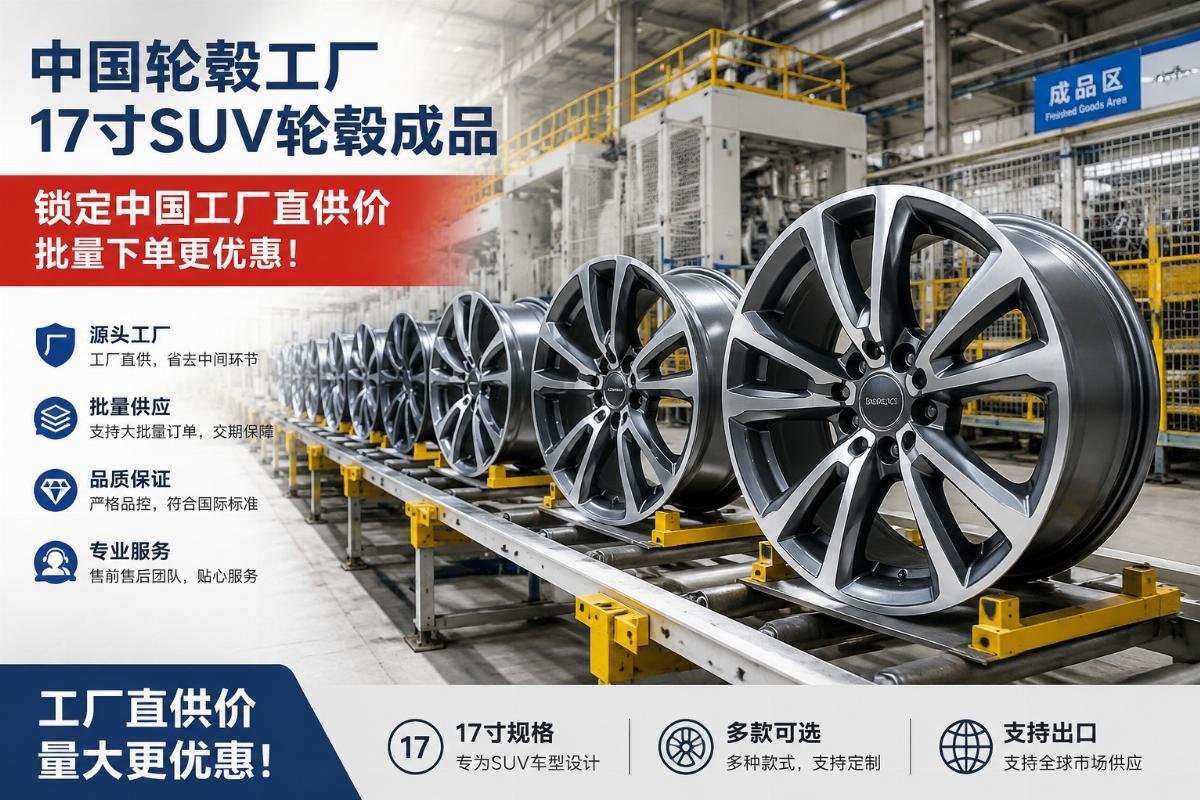
- Certification Documentation – Collect all ISO, VIA, TüV, and DOT certification records from your Chinese supplier to use as supporting collateral for funding applications.
- MOQ Confirmation – Confirm the 20-piece stocked model MOQ and 3-year structural warranty terms from your supplier to strengthen your funding eligibility.
- Pricing Lock Trigger – Submit your funding application the same day you receive your formal supplier quotation to avoid triggering scheduled supplier price increases.
Conclusion
Working capital structure, not order volume, is the single biggest driver of lower per-unit pricing and faster inventory turnover for bulk wheel distributors. Distributors using properly structured working capital solutions see an average of 3-4 inventory turns per year, compared to just 1.8 turns for self-funded buyers, and avoid the 18% average profit erosion that comes from overestimating available working buffers and picking misaligned funding terms. By matching your funding type to your order category and aligning terms to supplier production timelines, you can consistently lock in the best possible pricing and delivery timelines for your regional distribution business, without the cash flow gaps that slow down growth for most of your competitors.
