Sedan Wheels Wholesale: Bulk Order from China Manufacturer
Unit price is just the entry ticket; what truly drives repeat orders is spec compatibility, packaging durability, and certification compliance.
When sourcing sedan wheels wholesale, the real landed cost isn’t the piece price quoted on Alibaba—it’s the sum of freight, import duties, customs clearance delays, and in-transit damage. Bulk buyers who optimize only for the lowest per-unit cost routinely discover that oxidation damage, wrong bolt patterns, or missing homologation documents erase any initial savings. [NEED_CITE: total cost of ownership model for imported automotive aftermarket parts] From my time loading containers in Jinan and watching them arrive at West African ports weeks later, I’ve seen firsthand how moisture, stacking pressure, and paperwork gaps turn a profitable deal into a write-off.
If you’re a distributor in Africa, the Middle East, or Latin America preparing your next container order, the following breakdown covers the spec matrices, MOQ tiers, certification requirements, and packaging standards that separate a smooth delivery from a port-side nightmare.
What Specs Matter Most When Ordering Sedan Wheels in Bulk?
Diameter, bolt pattern, offset, and load index form the non-negotiable selection matrix—get any one wrong and the entire batch becomes unsellable.
Unlike passenger car enthusiasts who buy a single set, wholesale buyers must think in SKU matrices. A West African taxi fleet operator might need the same wheel across multiple Toyota and Hyundai models, meaning bolt pattern and center bore compatibility span several vehicle platforms. [NEED_CITE: common bolt pattern and center bore specifications for popular sedan models in emerging markets]
| Spec Parameter | Entry-Level Fleet | Mid-Range Aftermarket | Premium / Modified |
|---|---|---|---|
| Diameter Range | Standard compact sizes | Mid-range sedan sizes | Larger luxury / sport sizes |
| Bolt Pattern Flexibility | Multi-fit required | Vehicle-specific | Exact OEM match |
| Offset Tolerance | Wide tolerance acceptable | Moderate precision | Tight precision |
| Load Index Priority | High durability focus | Balanced | Style-weighted |
| Surface Finish | Basic painted | Machined or gloss | Custom color / chrome |
A distributor in East Africa once ordered several hundred pieces of alloy wheels for Toyota and Hyundai sedans. The wheels looked perfect at the factory, but the offset values didn’t account for the slightly wider track used on local fleet-spec models. The result: wheels sat too far inward, causing tire rub on full lock. The batch had to be re-sorted, and a portion was sold at a steep discount to a different market. [NEED_CITE: impact of incorrect offset on vehicle handling and tire wear]
For wholesale sedan wheels, the smartest approach is to consolidate SKUs around the highest-volume vehicle platforms in your target market rather than chasing every possible fitment. A tighter SKU range means faster inventory turnover and fewer dead-stock headaches.
How Do MOQ and Pricing Scale for Wholesale Orders?
Stock models and custom models follow entirely different MOQ logic—mixing them up in your planning leads to either excess inventory or production delays.
Most China-based manufacturers structure their wholesale sedan wheels pricing around two tracks. Stock models—typically the most popular sizes and finishes held in warehouse—carry a low minimum order quantity, sometimes as few as pieces per SKU. These are ideal for testing a new market or replenishing fast-moving items. Custom models—where you specify diameter, width, bolt pattern, offset, finish, and packaging—require significantly higher minimums because the factory must set up casting molds, machining programs, and surface treatment lines specifically for your order. [NEED_CITE: typical MOQ structures for alloy wheel manufacturers in China’s Shandong production region]
| Order Type | MOQ Level | Price Tier | Lead Time | Best For |
|---|---|---|---|---|
| Stock Models | Noticeably low | Standard wholesale | Noticeably shorter | Market testing, quick replenishment |
| Custom OEM | Noticeably higher | Volume-discounted | Substantially longer | Brand building, exclusive designs |
| Mixed Container | Moderate | Negotiated blend | Moderate | Multi-market distributors |
A buyer in Latin America once placed a large order mixing stock and custom sedan wheels wholesale. The stock portion shipped quickly, but the custom portion required additional weeks for mold preparation and surface treatment sampling. Because the buyer hadn’t separated the two timelines in their planning, they faced warehouse shortages on the fast-moving stock sizes while waiting for the custom batch to clear production. The lesson: always build your order plan around the longest lead time in the mix, not the shortest.
Volume pricing in this industry is rarely a straight line. The first container often carries a higher per-piece cost than the fifth, because the factory has already validated your spec sheet, packaging preferences, and quality expectations. Long-term buyers who commit to regular reorder schedules typically negotiate better terms—not just on price, but on production priority and quality inspection allocation.
Which Certifications Does Your Target Market Require?
Certification isn’t paperwork—it’s the difference between your container clearing customs or sitting at the port accruing demurrage charges.
Different regions enforce different wheel certification standards, and the consequences of non-compliance are severe. In some African markets, customs authorities have begun requiring proof of structural integrity testing before releasing automotive wheel imports. [NEED_CITE: import certification requirements for alloy wheels in key African and Middle Eastern markets] Middle Eastern buyers often need documentation aligned with Gulf standardization bodies, while Latin American markets may reference regional automotive safety norms.
| Certification | Region of Relevance | What It Covers | Risk of Non-Compliance |
|---|---|---|---|
| VIA | Japan-aligned markets | Structural impact, radial fatigue, cornering fatigue | High — customs rejection |
| TÜV | Europe, parts of Middle East & Africa | Dynamic testing, material traceability | High — port hold |
| DOT | Americas | Load rating, speed rating, marking compliance | Moderate to high |
| ISO 9001 | Global baseline | Quality management system | Low directly, but signals reliability |
| CCC | China domestic, some re-export | Manufacturing process audit | Varies by destination |
A wholesale buyer shipping sedan wheels wholesale to a West African port learned this the hard way. The container arrived with all the right commercial invoices, but the destination customs broker flagged the absence of a recognized structural test certificate. The container sat at the terminal for weeks, generating storage fees that eventually exceeded the value of the wheels inside. [NEED_CITE: case studies of customs delays due to missing automotive part certifications at West African ports]
The safest approach is to confirm certification requirements with your local customs broker before placing any bulk order. Don’t rely on the supplier’s assumption—regulations change, and enforcement intensity varies by port and by season. A manufacturer experienced in exporting to multiple regions will typically hold several of these certifications simultaneously, reducing the risk of documentation gaps.
How Should Wheels Be Packed for Long-Distance Sea Shipping?
In high-humidity ocean transit, moisture protection matters more than physical cushioning—rust destroys wheels before dents do.
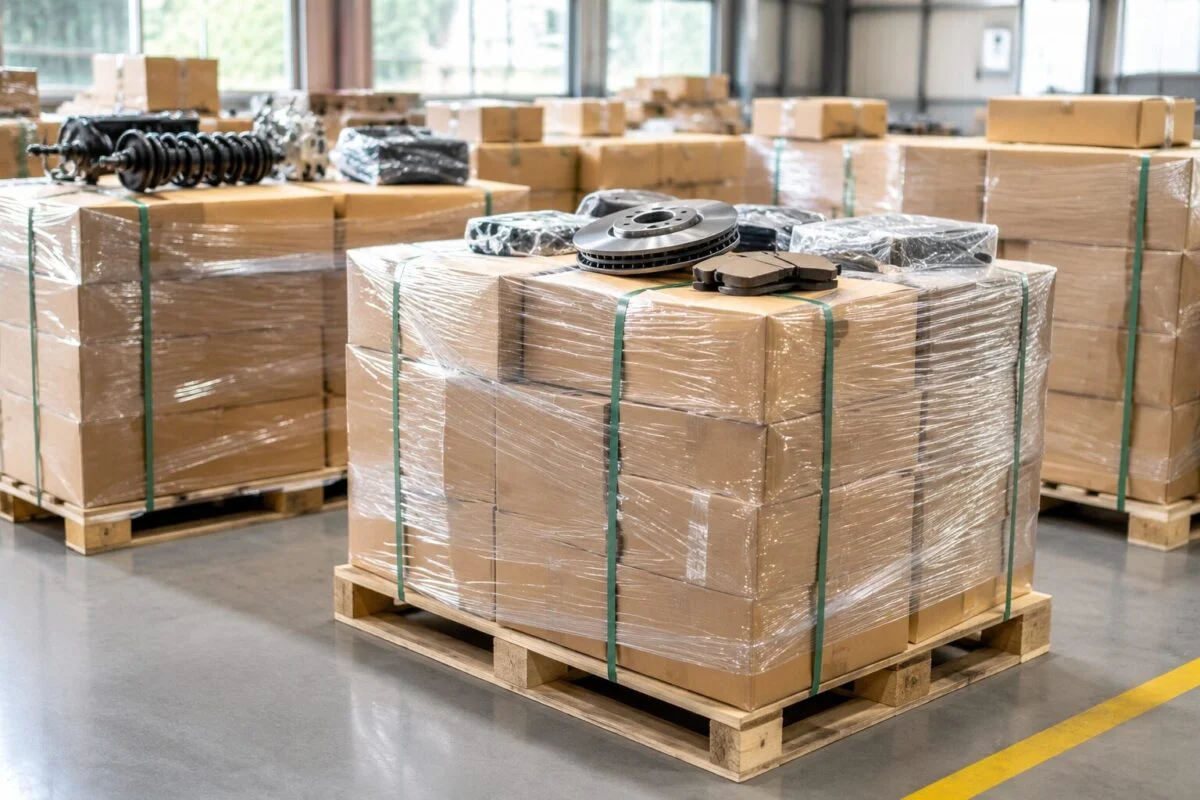
This is where I’ve seen the most costly mistakes. A container of wheels leaving a northern Chinese port in summer faces forty-plus days of tropical humidity inside a sealed steel box. The temperature swings between day and night create condensation cycles that settle directly on metal surfaces. Without proper moisture barriers, even perfectly finished wheels arrive with surface oxidation that no amount of polishing can fully restore. [NEED_CITE: corrosion mechanisms during maritime container shipping of metallic automotive parts]
| Packaging Element | Basic Standard | Enhanced Protection | Purpose |
|---|---|---|---|
| Inner Wrap | Plastic bag | Vapor corrosion inhibitor film | Blocks moisture contact |
| Separators | Cardboard dividers | Foam-lined separators | Prevents surface scratching |
| Outer Carton | Single-wall corrugated | Double-wall, edge-reinforced | Resists stacking compression |
| Pallet / Container Lining | None optional | Desiccant packs, moisture barrier | Controls ambient humidity |
| Strapping | Standard banding | Reinforced with edge protectors | Prevents load shift |
I once oversaw a shipment of sedan wheels wholesale destined for a fleet operator in Nigeria. The first batch used standard cardboard dividers and basic plastic wrapping. When the container opened at Apapa port after the rainy season transit, nearly a portion of the wheels showed visible surface haze from humidity exposure. For the reorder, we switched to vapor corrosion inhibitor film inside each box, added desiccant packs in the container, and lined the container walls with moisture barrier sheets. The second batch arrived in visibly better condition—no haze, no surface discoloration, no customer complaints. [NEED_CITE: effectiveness of vapor corrosion inhibitor packaging for ferrous and aluminum automotive components during ocean freight]
The cost difference between basic and enhanced packaging is small per unit but significant in total. For wholesale buyers, the calculation is straightforward: a modest increase in packaging cost per piece prevents claims, replacements, and reputational damage that cost several times the savings.
What’s the Real Lead Time from Order to Port Delivery?
The quoted production time is only part of the timeline—quality inspection, documentation, and vessel booking add weeks that buyers often overlook.
When a manufacturer quotes a production lead time for sedan wheels wholesale, that number typically covers casting, machining, surface treatment, and final inspection. But the clock doesn’t stop there. After production, the wheels must be packed, palletized, staged for container loading, and then wait for vessel booking confirmation. During peak shipping seasons, container availability itself can become a bottleneck. [NEED_CITE: typical export logistics timeline for automotive wheel shipments from eastern China ports]
| Stage | Typical Duration | Variables That Extend It |
|---|---|---|
| Production | Noticeably short for stock; substantially longer for custom | Mold setup, surface treatment complexity |
| Quality Inspection | Brief for standard batches | Extended if third-party inspection required |
| Documentation | Noticeably short | Delays if certification verification needed |
| Container Booking | Noticeably short in off-peak; extended in peak | Vessel availability, port congestion |
| Port to Destination Port | Substantially long | Route, transshipment, weather |
A distributor in Ethiopia planning a bulk order of sedan wheels wholesale for the Addis Ababa market learned to build buffer time into every stage. Their first order assumed the production lead time was the only variable. By the time the wheels cleared the Djibouti corridor and reached the warehouse, the total elapsed time was substantially longer than expected—not because production was slow, but because documentation verification and container booking during a peak season each added weeks. [NEED_CITE: logistics lead time variability for landlocked African import destinations via Djibouti corridor]
Experienced buyers now plan backward from their market launch date, adding buffer for each stage. They also maintain relationships with manufacturers who can provide realistic timeline estimates rather than optimistic ones, and who have dedicated export documentation teams to prevent paperwork delays.
Conclusion
Bulk sedan wheel procurement succeeds or fails on details that have nothing to do with the piece price. Spec alignment prevents unsellable inventory, certification compliance prevents port seizures, moisture-resistant packaging prevents transit damage, and realistic timeline planning prevents stockouts. Buyers who treat these factors as seriously as they treat price negotiations consistently achieve better margins and stronger supplier relationships across repeat orders.
Parts mentioned
Products in this article
Each part below is supplied source-direct by Jinan Yoker, matched by OE number and checked through full-process inspection.
 01
WHEEL RIM/HUB
19-Inch 5X112 Et38 Custom Alloy Wheel Hub for Luxury Sedans
Product IntroductionCustomizable 19-Inch Alloy Wheel Hub with 5X112 PCD and Et38, designed for luxury sedans. Made of high-quality aluminum with…
View Specifications 02
WHEEL RIM/HUB
19 Inch 5X112 Matte Silver Wheel Rims for Sedans Coupes
Product IntroductionSleek Matte Silver Wheel Rim Set designed for sedans and coupes, featuring 19-inch size and 5X112 PCD. Crafted from…
View Specifications 03
WHEEL RIM/HUB
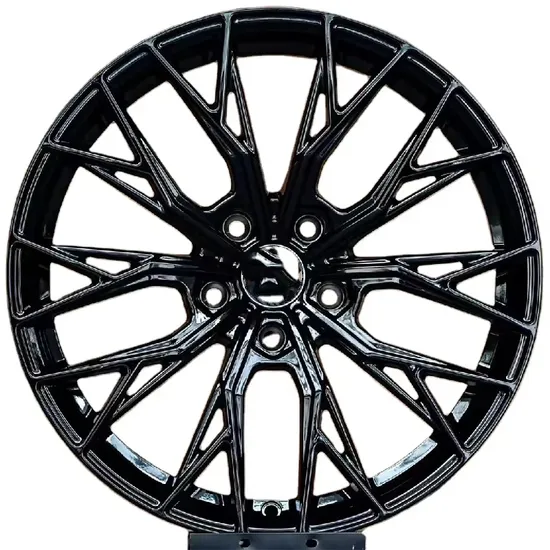
5 Holes Aluminum Alloy Black Machined Sedan Car Wheel
Product Introduction5 Holes Aluminum Alloy Wheel Black Machined Car Wheel, suitable for Sedan Car. Made of high-quality Alloy material with…
View Specifications 04
WHEEL RIM/HUB
5 Holes Durable Black Aluminum Alloy Car Wheel Wholesale
Product IntroductionFactory wholesale durable black painting aluminum alloy car wheel, suitable for 4WD vehicles with customizable size (12-24 inch) and…
View Specifications