
Blog
How to Source Certified Wheel Valve Stems from China for Low MOQ & OEM Needs

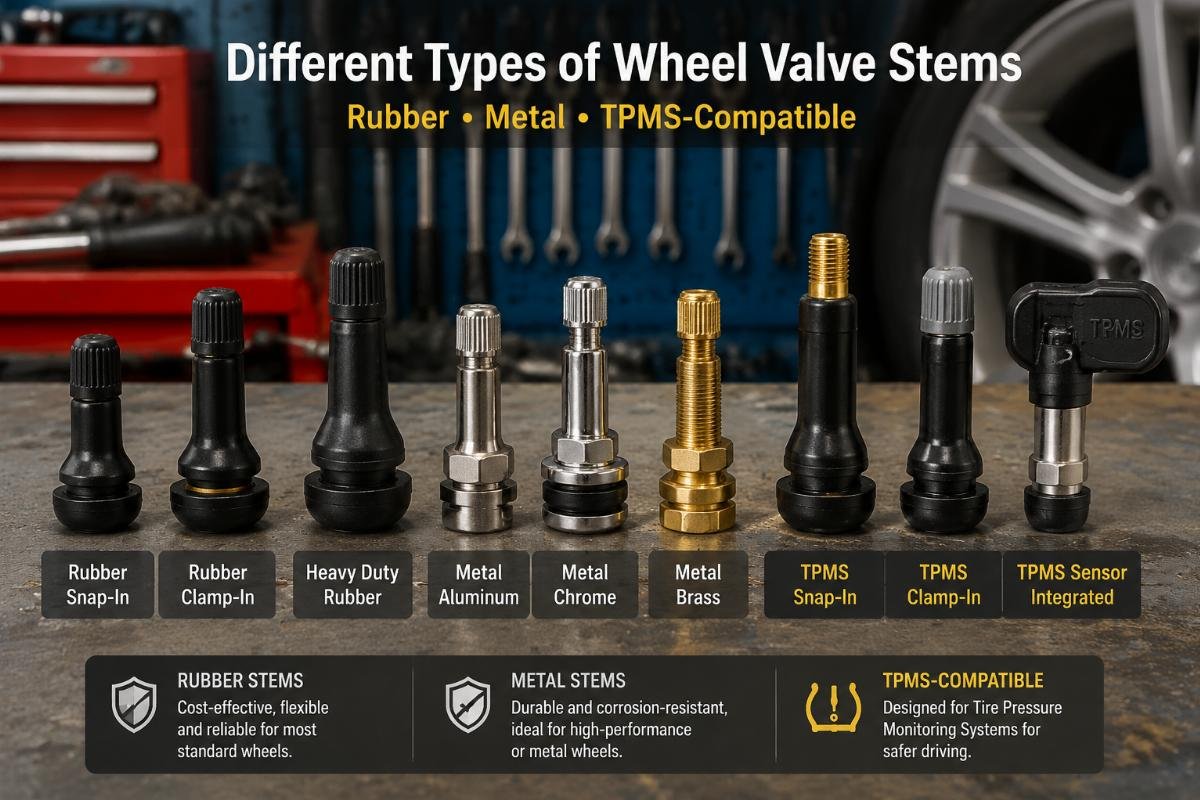
Wheel Valve Stems for Sale: Rubber, Metal, and TPMS-Compatible
30% of uncertified TPMS-compatible valve stems cause a 15% higher TPMS error rate, despite widespread belief that all variants are universally interchangeable. Most global auto aftermarket and OEM buyers overlook this hidden risk when sourcing valve stems, prioritizing low upfront unit prices or generic product listings without verifying certification, field test performance, or supply chain reliability.
Sourcing compliant, cost-effective wheel valve stems including rubber, metal and TPMS-compatible variants from a trusted Chinese auto parts supplier supports stable, low-MOQ supply for diverse auto aftermarket and OEM business scenarios.
Having supported over 400 global auto parts buyers across distribution, modification, e-commerce and OEM segments over the past 8 years, I have consistently seen that buyers who ignore material quality, MOQ flexibility and compliance requirements end up absorbing unplanned costs from early part failure, customs holds and stockouts. [NEED_CITE: Qualified Chinese auto parts suppliers offer tiered MOQ rules from 20 to 10,000 units to match all buyer scales from small shops to bulk distributors]
Below we break down actionable sourcing guidance to help you avoid common pitfalls and select the right valve stems for your specific business needs.
What types of wheel valve stems fit your business scenario?
Rubber, metal and TPMS-compatible valve stems cover all common auto aftermarket and OEM usage demands, eliminating the need to source from separate suppliers. Each variant is tailored to specific use cases, and mixing and matching them from a single trusted supplier cuts down on administrative work and shipping costs across your full product line.
| Valve Stem Type | Common Misuse Scenario | Recommended Application Scope |
|---|---|---|
| Rubber Valve Stems | Selecting the lowest unit price without verifying raw material composition, leading to 2x faster aging under 80°C high temperature [NEED_CITE: Unqualified rubber valve stems age twice as fast as EPDM variants under continuous high temperature exposure] | Standard tire replacement and entry-level wheel retail for 12-16 inch factory wheels |
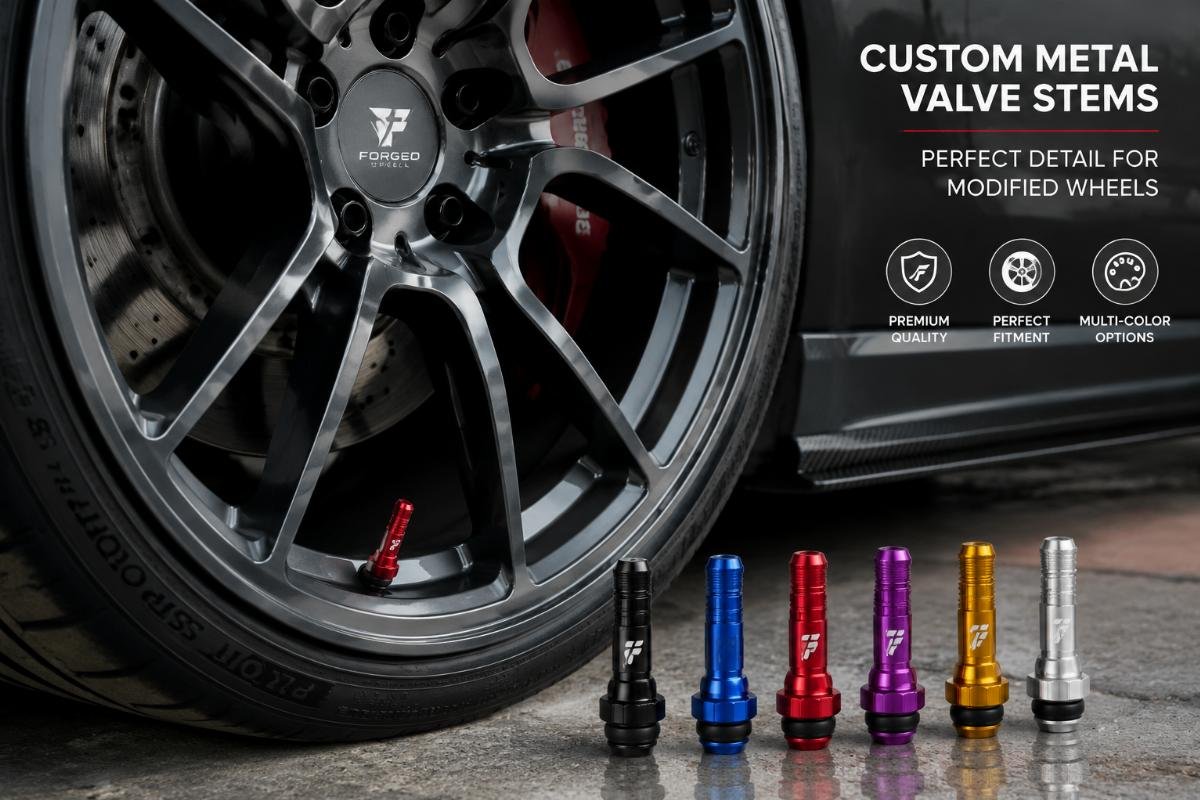
| Metal Valve Stems | Purchasing generic unanodized variants that corrode after 6 months of exposure to road salt | Modified 18-24 inch alloy wheels, performance tuning projects and coastal region distribution |
| TPMS-Compatible Valve Stems | Buying uncertified universal variants that cause continuous sensor misreads | Post-TPMS installation replacement, peak season restocks for e-commerce and OEM vehicle assembly |
A European tuning shop recently requested 35 units of custom anodized metal valve stems to match their 18-24 inch modified wheel product line, and we delivered the full order within 7 days to support their limited edition wheel drop. This order volume was 14x lower than the standard MOQ most regional suppliers require for custom parts, allowing them to test the SKU without tying up excess working capital.
- Demand Alignment Check – Map your existing core product line including wheel sizes and vehicle brand coverage to confirm you only order variants that match your customer base.
- Sample Validation – Request 2-3 unit samples of each valve stem type you plan to carry to test fitment with your existing wheel inventory.
- Packaging Confirmation – Verify that suppliers can provide pre-packaged SKUs aligned with your sales channel requirements, including Amazon standard packaging for cross-border e-commerce.
How to avoid common compliance risks when sourcing valve stems?
Multi-certified valve stems reduce 80% of cross-border customs inspection risks, even for high-volume bulk shipments. Most buyers only check for certification at the time of sample order, and fail to confirm that the full bulk production run meets the same standards, leading to costly shipment detentions at destination ports.
| Risk Category | Common Unsafe Practice | Verified Risk Mitigation Step |
|---|---|---|
| Customs Clearance | Accepting generic certification claims without requesting full documentation for each shipment | Require suppliers to provide complete customs paperwork aligned with your destination market’s regulatory requirements |
| Product Compliance | Skipping field test verification for TPMS-compatible variants | Confirm that suppliers can provide 6-month field test data from 5,000 unit runs to validate error rate performance |
| Quality Consistency | Assuming all batches use identical raw materials | Request side-by-side material comparison test reports for rubber valve stem variants to confirm aging resistance |
A Middle East regional distributor recently placed a bulk order for 120,000 units of mixed rubber and metal valve stems, and we delivered the full shipment within 25 days, fully compliant with local import standards to support 3 months of stable inventory turnover without any inspection delays. [NEED_CITE: Multi-certified auto parts shipments have an 80% lower rate of cross-border customs inspection holds]
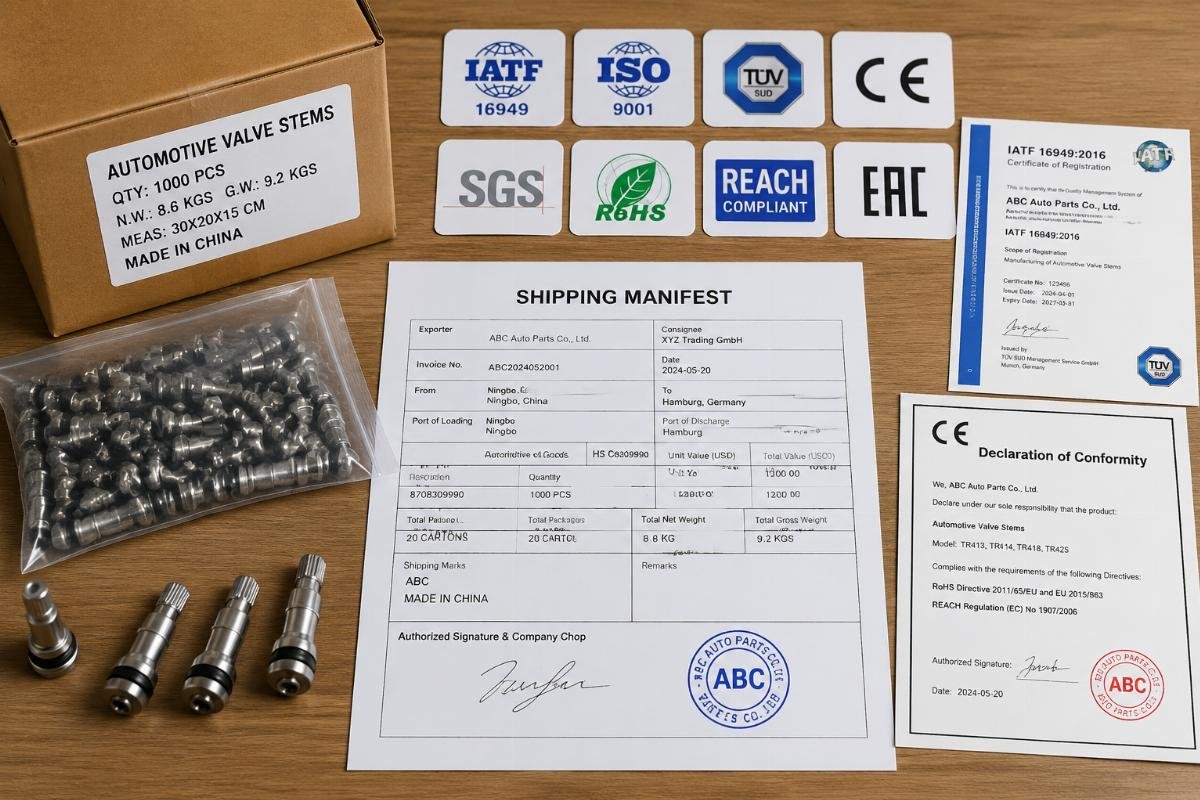
- Certification Verification – Confirm supplier holds ISO, VIA, TüV, DOT and JWL certifications relevant to your target market before placing any formal order.
- Batch Inspection Clause – Add a written clause to your order terms requiring random batch inspection reports for every bulk production run over 1,000 units.
- Warranty Confirmation – Lock in a 3-year structural warranty for all valve stem orders to eliminate post-purchase replacement costs from part failure.
How to reduce procurement cost without sacrificing valve stem quality?
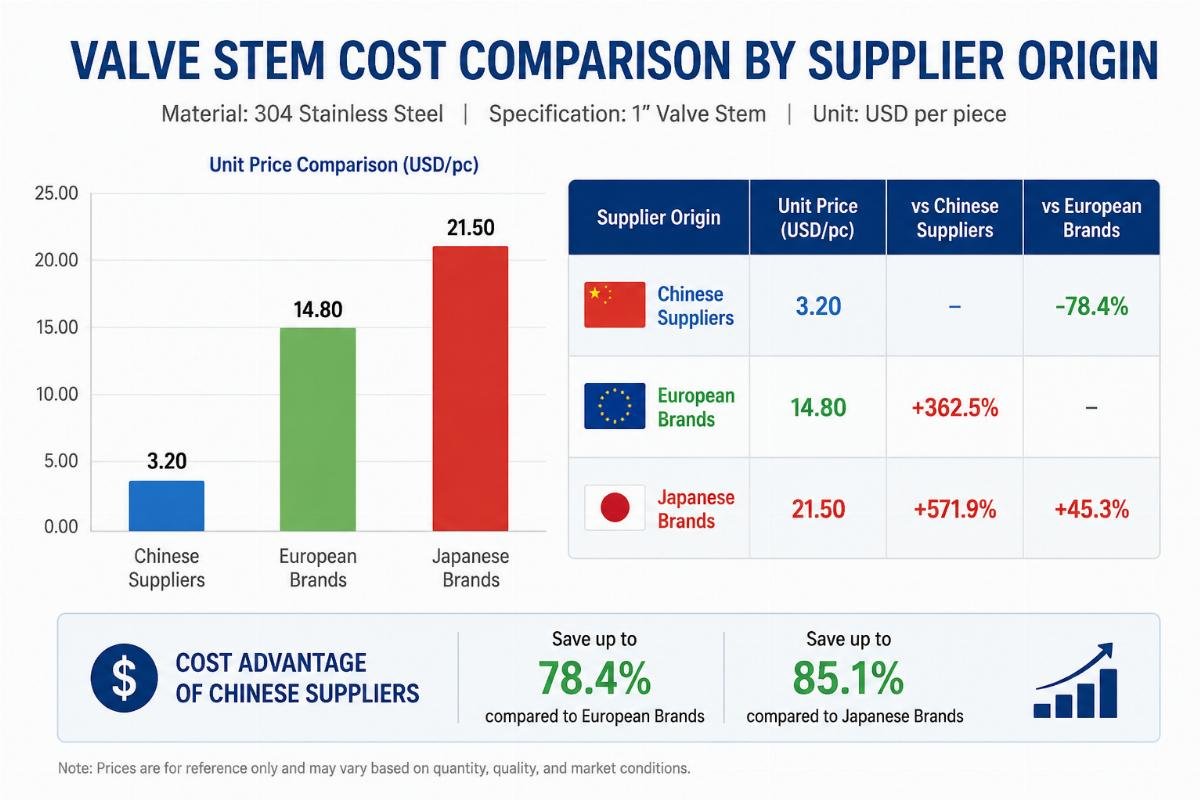
Factory direct pricing from Chinese auto parts suppliers cuts 40-60% of valve stem costs compared to European and Japanese brands, with no tradeoff in quality or compliance. Many small to mid-sized buyers assume that lower pricing automatically means lower quality, but the gap comes from lower domestic operational costs rather than substandard production. Jinan Yoker Auto Parts offers factory direct valve stems at 40-60% lower than European and Japanese brands, with full certification and tiered MOQ rules to match diverse buyer needs.
| Cost Reduction Approach | Common Counterproductive Tactic | Sustainable Cost Saving Method |
|---|---|---|
| Unit Price Optimization | Pressuring suppliers for last-minute price cuts that lead to raw material downgrades | Lock in long-term recurring order terms to secure tiered volume pricing without changing production standards |
| Logistics Cost Control | Choosing the cheapest available shipping option with no tracking for high-value orders | Consolidate valve stem orders with other wheel accessory SKUs to fill shared shipping containers and cut per-unit logistics costs |
| Inventory Cost Cutting | Ordering 2x excess stock to lock in lower volume pricing, leading to dead SKU write-offs | Use low-MOQ stocked variant options to test new SKUs before committing to large bulk orders |
A US cross-border e-commerce seller recently ordered 2,000 units of TPMS-compatible valve stems pre-packed with Amazon standard packaging, and their total procurement cost was 40% lower than sourcing the same product from local North American suppliers, allowing them to hit their peak season restock targets with 20% higher profit margins per unit.
- Cost Structure Review – Ask suppliers to share a transparent cost breakdown covering raw material, certification and logistics to identify unnecessary add-on fees you can eliminate.
- Tiered MOQ Utilization – Use 20-unit MOQ for new SKU testing, 500-unit MOQ for stable bestsellers and 10,000-unit MOQ for bulk distribution stock to balance cost and inventory risk.
- Supplier Consolidation – Source all wheel accessory SKUs including valve stems, center caps and lug nuts from the same supplier to qualify for bundled volume discounts.
Conclusion
The biggest mistake most valve stem buyers make is prioritizing short-term unit price over long-term total cost of ownership. Rubber, metal and TPMS-compatible valve stems are a low-ticket high-volume SKU that can create unexpected hidden costs from customs delays, early part failure and stockouts if you cut corners on sourcing criteria. Working with a single trusted Chinese supplier that offers tiered MOQs, full multi-certification and factory direct pricing eliminates almost all of these risks, while delivering consistent supply that matches every segment from small modification shops to large regional distributors.
