SUV and 4WD Upgrades Inspection and Documentation Wholesale Guide
Product quality guarantees absolutely nothing if the paperwork tells a different story.
Complete customs documentation and strict inspection alignment are the absolute prerequisites for clearing modified wheels, preventing port delays, and ensuring your SUV and 4WD upgrades inspection documentation perfectly matches the physical cargo.
I learned this the hard way while waiting outside Riyadh customs for three days. Years ago, transitioning from procurement to the supply side, I shipped a batch of forged SUV upgrade wheels to the Middle East. The commercial invoice declared the finish as matte black, but the third-party inspection report stated gloss black. To make matters worse, we lacked the supplementary SABER certification documents. The entire container was frozen at the port. Since then, running distribution channels across the Gulf, I have seen how unforgiving regional authorities are regarding 4WD modification parts. Now, before a single wheel leaves the factory floor, I obsess over the inspection reports and clearance paperwork. If the documents do not align with the physical goods upon arrival, even the finest forged rims are just scrap metal. [NEED_CITE: customs rejection root cause distribution for automotive aftermarket parts]
This reality shifts the focus from mere manufacturing to rigorous administrative precision.
Why Do SUV Upgrade Shipments Get Stuck at Customs?
Document discrepancies, not physical product defects, trigger the vast majority of port rejections for aftermarket automotive parts.
Most buyers assume that if the wheels are structurally sound and visually appealing, customs clearance will be a routine formality. This is a dangerous misconception. Customs authorities do not evaluate the physical performance of the alloy; they evaluate the consistency between the declared specifications and the supporting paperwork. When a mismatch occurs, the cargo is immediately flagged for secondary inspection, leading to extended demurrage charges and disrupted supply chains. [NEED_CITE: financial impact of port demurrage on automotive importers]
In my experience, the friction usually stems from a lack of cross-verification between the commercial invoice, the packing list, and the third-party inspection report. For instance, a distributor in Latin America once received a full container of deep concave wheels. The physical goods were flawless, but the packing list omitted the specific offset data required by local transport regulations. The shipment was held for weeks until the documentation was amended and re-verified. The cost of that delay far exceeded the initial savings on the freight.
To prevent this, the SUV and 4WD upgrades inspection documentation must be treated with the same rigor as the engineering blueprints. Every parameter, from the hub bore tolerance to the surface finish code, must be identical across all commercial and compliance documents. [NEED_CITE: cross-verification protocols for international trade compliance]
What Inspection Reports Are Mandatory for 4WD Wheels?
Structural integrity, surface finish consistency, and regional safety certifications must align perfectly within the mandatory inspection reports.
When importing heavy-duty components for off-road and luxury vehicles, customs agents look for specific data points that prove the wheels can withstand extreme mechanical stress. A visual inspection is entirely insufficient; the structural and surface finish data embedded in the reports dictate whether the cargo gets released. [NEED_CITE: mandatory structural testing parameters for aftermarket alloy wheels]
The core of the SUV and 4WD upgrades inspection documentation relies on a triad of verification:
- Structural Load Testing: Reports must detail the dynamic radial fatigue and cornering fatigue test results, proving the wheel can handle the increased unsprung mass and torque of modified 4WD vehicles.
- Surface Finish Verification: High-resolution photographic evidence and spectrometer readings must confirm the exact finish, ensuring no batch-to-batch color deviation.
- Dimensional Accuracy: Coordinate measuring machine (CMM) data must verify the center bore, bolt pattern, and offset against the declared specifications.
A tuning shop in Southeast Asia once faced a massive rejection because their inspection report only covered sample-level visual checks, ignoring the batch-level dimensional deviations. The hub bore tolerance was slightly off, causing the wheels to fail the on-site fitment inspection. The rejection rate for that batch was total. Ensuring your SUV and 4WD upgrades inspection documentation includes comprehensive, batch-level dimensional data is non-negotiable. [NEED_CITE: dimensional tolerance standards for aftermarket wheel fitment]
How to Avoid Surface Finish and Dimensional Mismatches?
Pre-shipment verification protocols ensure physical goods match declared specs, eliminating the risk of document-product mismatch.
The most common trap in the aftermarket wheel industry is the surface finish discrepancy. A direction of color mismatch, such as declaring a matte finish while the inspection report reflects a gloss variant, is an immediate red flag for customs. This is not just about aesthetics; it indicates a breakdown in quality control and batch consistency. [NEED_CITE: impact of batch consistency on automotive aftermarket compliance]
To avoid this, the verification process must be integrated into the manufacturing workflow. Before the final SUV and 4WD upgrades inspection documentation is generated, the production team must conduct a strict internal audit. This involves comparing the physical production samples against the approved color swatches and dimensional jigs.
Consider a scenario where a buyer orders a large volume of machined face wheels with a specific gunmetal accent. If the factory’s internal records show a slight variation in the clear coat thickness, this must be documented and communicated before the final inspection report is issued. Failing to do so means the third-party inspector will flag the discrepancy, and the resulting amended documentation will delay the shipping schedule.
Furthermore, dimensional deviations, such as minor offset variations, can pass a basic visual check but will fail a rigorous customs audit if the CMM data is missing. The solution is to mandate that all third-party inspectors use calibrated digital tools and include the raw data in the final report. This level of transparency in the SUV and 4WD upgrades inspection documentation protects both the manufacturer and the importer from arbitrary port holds. [NEED_CITE: pre-shipment inspection protocols for automotive alloy wheels]
Which Certifications Are Required for Specific Global Markets?
Regional standards dictate market access and clearance speed, making multi-certification a critical component of the SUV and 4WD upgrades inspection documentation.
Global markets are not monolithic; each region has its own non-negotiable safety and compliance frameworks. Missing a regional safety certificate is the fastest way to delay clearance and incur massive storage fees. The certification gap is a primary reason why otherwise perfect shipments sit rotting at the dock. [NEED_CITE: regional automotive certification requirements for global markets]
For the Middle East, the SABER certification is the absolute gatekeeper. Without it, no automotive aftermarket part can clear customs in Saudi Arabia. Similarly, the US market requires strict adherence to DOT standards, while Japan and certain other Asian markets demand JWL or VIA markings.
When sourcing from a manufacturer, it is vital to ensure that the factory possesses a robust portfolio of multi-certifications, including ISO, TÜV, DOT, JWL, and CCC. This is not merely a marketing point; it is a logistical necessity. A manufacturer with comprehensive global certifications can seamlessly generate the specific regional addendums required for your SUV and 4WD upgrades inspection documentation.
For example, a distributor expanding into the European market needs to ensure that the TÜV certification data is explicitly referenced in the commercial paperwork. If the factory only provides a generic ISO certificate, the European customs authorities will reject the shipment. Therefore, the ability of the supplier to provide complete, region-specific customs documentation support is just as important as the physical quality of the wheels. [NEED_CITE: compliance documentation requirements for Middle East SABER certification]
Conclusion
Paperwork dictates port clearance just as much as physical product quality.
Ensuring that your SUV and 4WD upgrades inspection documentation perfectly aligns with the physical cargo, regional certifications, and structural data is the only way to guarantee smooth global distribution. Mastering this administrative precision prevents costly delays and secures long-term supply chain stability.
Applications covered in this article
Parts mentioned
Products in this article
Each part below is supplied source-direct by Jinan Yoker, matched by OE number and checked through full-process inspection.
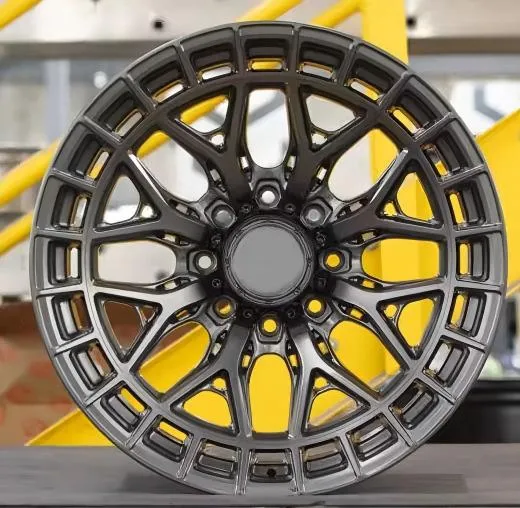 01
WHEEL RIM/HUB
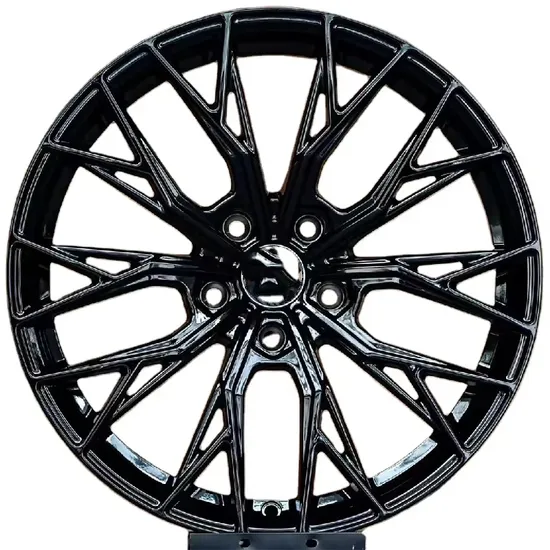
Concave 19 Inch 5*139.7 Off-Road SUV Matt Black Alloy Rims
Product IntroductionConcave Style 19 Inch 5*139.7 Car Wheels, Matt Black Casting off-Road/SUV Alloy Rims, made of Aluminum with ISO, VIA,…
View Specifications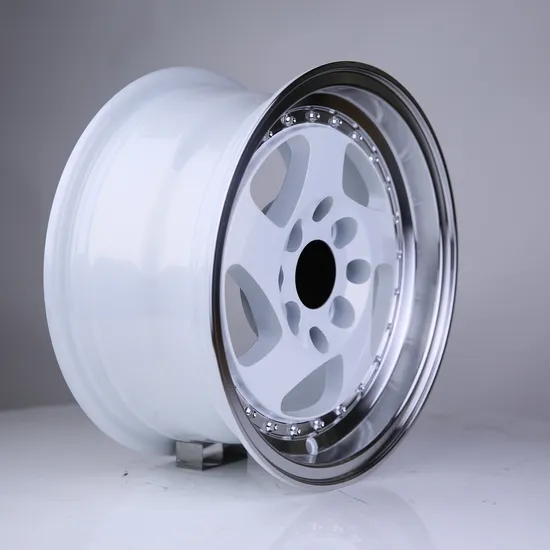 02
WHEEL RIM/HUB
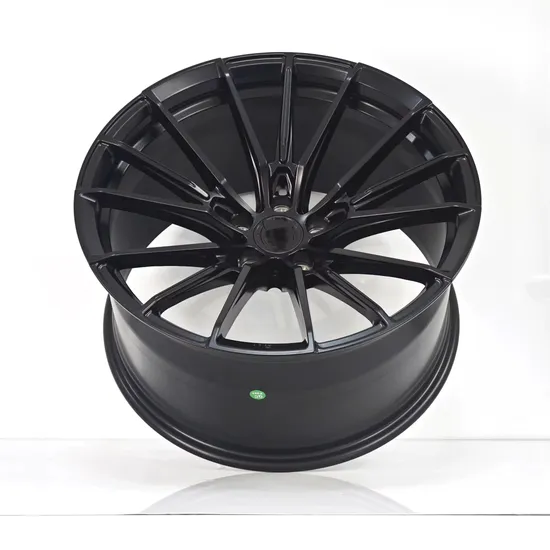
Concave Wheel SUV 4*4 Offroad Rims - Durable Offroad Rims
Product DescriptionDesigned for SUV 4x4 offroad vehicles, these Concave Wheel Rims by Ouya combine durability with performance. Crafted from high-quality…
View Specifications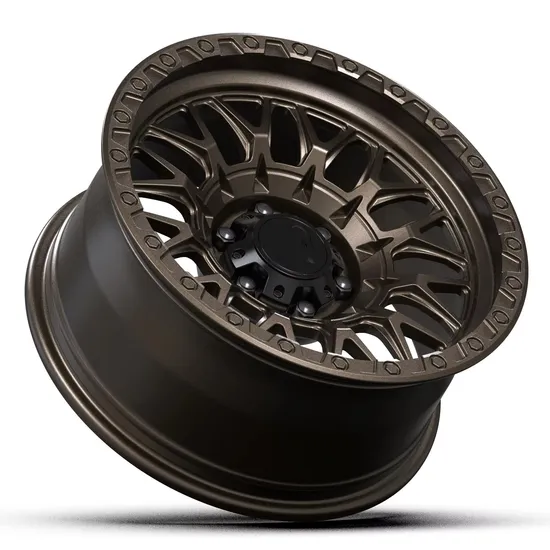 03
WHEEL RIM/HUB
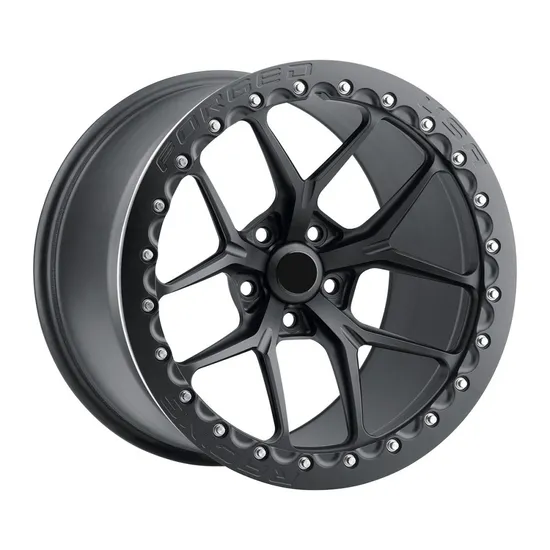
Top-Selling Custom SUV Offroad Beadlock Alloy Wheels
Product IntroductionTop-selling custom alloy beadlock wheels designed for SUVs and offroad vehicles, featuring high-quality aluminum construction and customizable options to…
View Specifications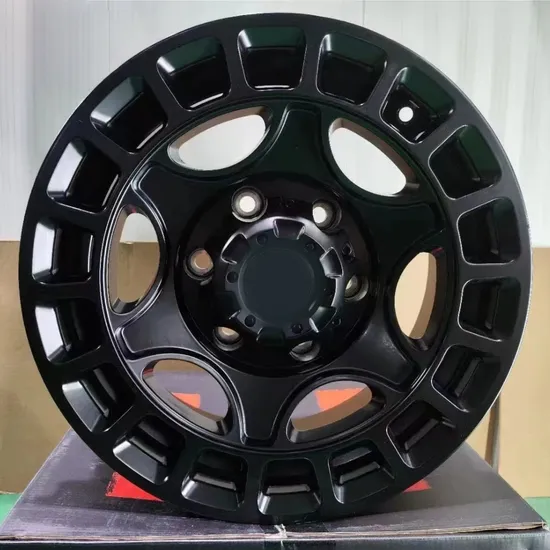 04
WHEEL RIM/HUB
17*9.0 Inch 4 Color Offroad SUV Aluminum Alloy Wheels
Product IntroductionNew Casting Offroad SUV Aluminum Alloy Wheels, available in Red, Bronze, Matt Black, Gunmetal. 17*9.0 Inch size, 4WD drive…
View Specifications