Engineering Considerations for Classic Car Restoration Programs OEM Supplier
Factory-original wheel specifications are virtually useless for restored classic vehicles due to decades of chassis degradation.
Successful classic car restoration wheel engineering requires abandoning outdated paper specs in favor of real-time physical chassis measurements, dynamic suspension travel simulations, and precise hub-centric load distribution analysis to guarantee safe upgrades on aged components.
Years ago, while running modification shops across Thailand and Indonesia, I took on a vintage SUV restoration project in Bangkok. The client urgently needed a retro multi-spoke design, and relying purely on historical experience, I quoted the original equipment offset values. The result was a disaster. The original chassis bushings had degraded so severely that the factory data was completely invalid; the wheels rubbed against the inner liners immediately, forcing a total teardown and reconfiguration. Since that costly lesson, I have obsessively focused on physical chassis measurements for classic vehicles. Even if a client only cares about the visual stance, I force them to dismantle the original wheels to remeasure the center bore and offset. A millimeter of error in engineering parameters translates into massive financial losses on the shop floor. Understanding the root cause distribution of suspension geometry shifts in vintage frames is critical for avoiding these pitfalls [NEED_CITE: root cause distribution of suspension geometry shifts in vintage frames].
Transitioning from theoretical specs to physical reality is the foundation of any safe modification project.
Why Factory Wheel Specs Fail on Restored Classics?
Aged rubber components completely invalidate original offset data, making factory specifications a liability rather than a baseline.
Most enthusiasts and even some shop owners assume that factory specifications are absolute truths etched in stone. The reality is that aged rubber components invalidate original offset data entirely. Over decades, suspension bushings, control arm mounts, and subframe isolators compress, crack, or melt away. This physical degradation alters the resting geometry of the chassis, meaning the original scrub radius and track width are no longer accurate. When you apply modern alloy wheels based on these compromised baselines, the dynamic behavior of the vehicle changes unpredictably under load.
During a vintage SUV restoration in Southeast Asia, the aging bushings had altered the geometry so drastically that the original offset adjustment range was useless. The clearance ratios were completely skewed. We had to discard the paper specs and map the actual physical limits of the degraded chassis. Material fatigue in vintage suspension bushings fundamentally rewrites the kinematic roll center and camber curves [NEED_CITE: material fatigue in vintage suspension bushings]. If you simply bolt on wheels matching the original factory offset, the suspension will bind, or the tires will chew through the inner fenders the moment the vehicle encounters a bump. Recognizing that the chassis is a living, degrading entity is the first step in mastering classic car restoration wheel engineering.
How to Measure True Offset and Backspacing?
Physical chassis measurement overrides outdated paper specs, requiring dynamic suspension travel simulation to find the true clearance ratio.
Relying on a tape measure and a straight edge is no longer sufficient for high-end restorations. Modern shops must utilize advanced techniques to capture the true geometry. We start with 3D scanning for chassis mounting points to establish a digital twin of the degraded frame. This allows us to run dynamic suspension travel simulations, observing how the wheel well deforms under full compression and rebound.
A common misconception is that wider wheels automatically improve the visual stance of a classic car. The reality is that incorrect backspacing accelerates suspension wear and compromises steering geometry. On a custom wide-body classic project, the initial design looked aggressive on paper, but under load, the inner fender rubbing was severe. By simulating the suspension travel, we realized the backspacing needed to be adjusted to accommodate the altered scrub radius caused by the widened track. The 3D scanning accuracy for chassis mounting points reveals microscopic deviations that manual tools simply miss [NEED_CITE: 3D scanning accuracy for chassis mounting points]. Proper classic car restoration wheel engineering demands that we calculate backspacing based on the simulated dynamic envelope, not the static, factory-fresh dimensions.
What Load Ratings Are Needed for Vintage Chassis?
Modern alloys must match or exceed original structural limits, accounting for the increased unsprung mass of contemporary tire compounds.
When upgrading a classic vehicle, the focus often shifts entirely to aesthetics, ignoring the structural demands placed on the wheel. Vintage chassis were engineered for the bias-ply tires and lighter vehicle weights of their era. Today’s radial tires and modern driving dynamics generate significantly higher lateral and impact loads. Therefore, modern alloys must possess load ratings that comfortably exceed the original structural limits.
During a classic sedan retrofit, the client selected a lightweight, flow-formed wheel designed for modern track use. However, the vintage chassis lacked the rigidity to handle the harmonic vibrations generated by the stiffer sidewalls of modern performance tires. The load rating requirements and backspacing calculations were entirely mismatched to the chassis’s natural frequency. Hub-centric load distribution analysis showed that the stress concentrations were causing micro-fractures in the vintage steering knuckles [NEED_CITE: hub-centric load distribution analysis on vintage steering knuckles]. For any classic car restoration wheel engineering project, the wheel’s load capacity must be verified against the dynamic forces of modern tires, ensuring the alloy acts as a structural reinforcement rather than a failure point.
How to Ensure Hub-Centric Fitment?
Precision center boring prevents high-speed vibrations by eliminating the reliance on lug nuts for radial alignment.
The most frequent complaint in classic car modifications is high-speed vibration, which is almost always traced back to improper hub-centric fitment. Vintage hubs often suffer from corrosion, pitting, or previous machining errors, meaning the original center bore is no longer a perfect circle. Most think that simply tightening the lug nuts will center the wheel. The reality is that lug nuts are designed to clamp, not to locate; relying on them for radial alignment guarantees hub-centric ring thickness and runout tolerance issues.
In a previous classic sedan retrofit, mismatched center bores caused severe vibrations that the client initially blamed on tire balancing. The actual culprit was the degraded hub surface creating an uneven mating zone. To resolve this, we utilized precision center boring to machine a fresh, true locating surface directly into the wheel, or employed custom-machined hub-centric rings to bridge the gap. The vibration amplitude tolerance for vintage hubs requires strict adherence to runout limits [NEED_CITE: vibration amplitude tolerance for vintage hubs]. True classic car restoration wheel engineering involves measuring the exact hub diameter at multiple points and ensuring the wheel’s center bore matches this reality, eliminating the harmonic resonance that destroys vintage bearings.
Sourcing Solutions for Modification Shops
Navigating these engineering complexities requires a manufacturing partner who understands the nuances of vintage chassis. Modification shops and wholesalers need suppliers capable of executing custom OEM/ODM alloy wheels with precise center bore machining tailored to degraded hubs. It is not just about casting a beautiful design; it is about multi-certification compliance and the ability to produce low-MOQ prototypes for testing fitment before committing to a full container.
When a shop in the Middle East needed a specific deep-concave mesh design for a fleet of vintage luxury sedans, the challenge was matching the altered backspacing while maintaining strict structural integrity. By collaborating with a manufacturer that offers comprehensive engineering support, they were able to iterate on the hub-centric dimensions rapidly. This approach ensures that every wheel delivered is not just a visual upgrade, but a mechanically sound component engineered for the harsh realities of an aged chassis. The ability to customize the center bore and offset without massive minimum order quantities allows shops to solve complex fitment issues profitably.
Conclusion
Abandoning factory specs in favor of physical chassis reality is the only path to safe classic car modifications. Mastering classic car restoration wheel engineering requires rigorous dynamic simulation, precise load matching, and flawless hub-centric execution to protect aging components from modern stresses.
Applications covered in this article
Parts mentioned
Products in this article
Each part below is supplied source-direct by Jinan Yoker, matched by OE number and checked through full-process inspection.
 01
WHEEL RIM/HUB
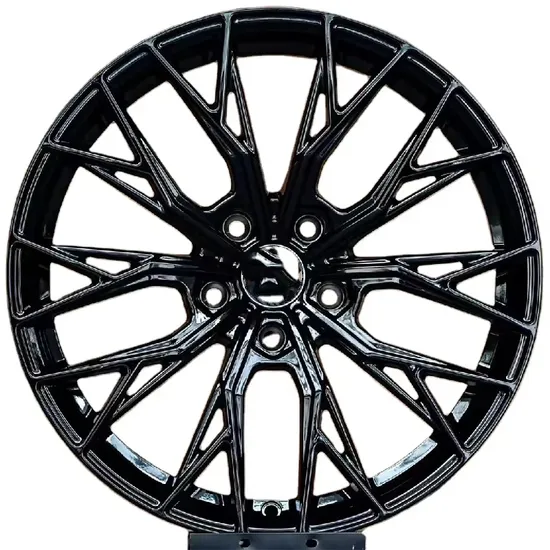
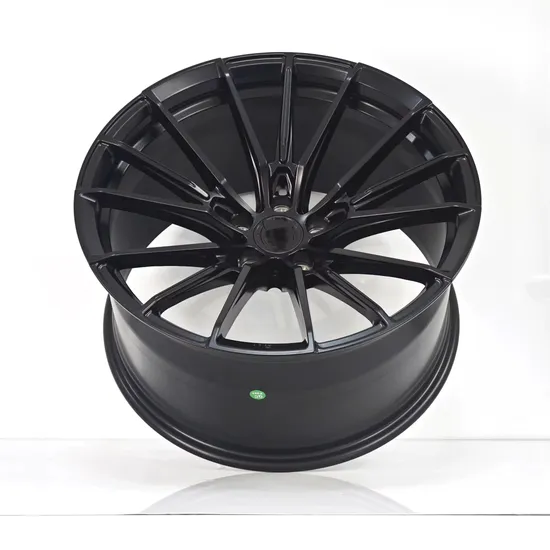
17-19inch Classic Car Passenger Wheel Rim Replacement
Product IntroductionClassic Car Passenger Wheel Rim for replacement, available in 17-19inch, made of high-quality Aluminum. Features Equal Diameter Spoke design,…
View Specifications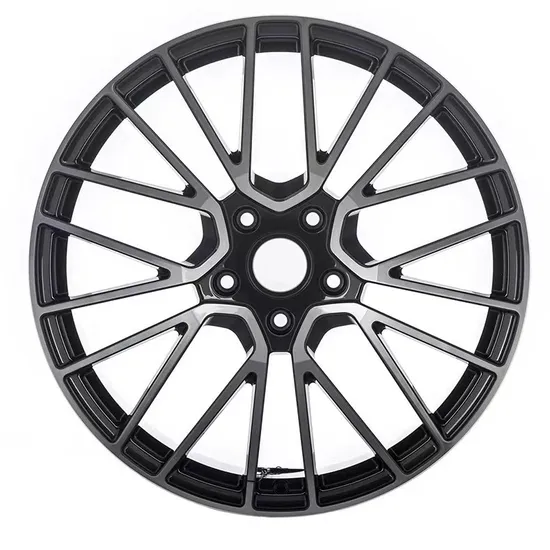 02
WHEEL RIM/HUB
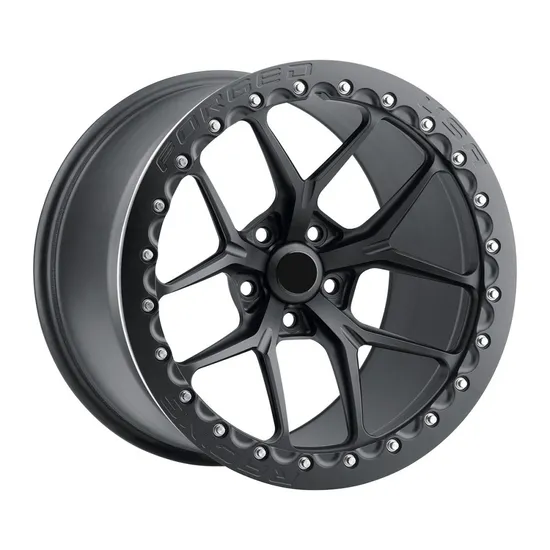
Classic Car Black Lightweight Forged Aluminum Alloy Wheel Rims
Product IntroductionClassic Car Accessories presents high-quality lightweight alloy wheel rims, crafted from aluminum with casting/forged/forming manufacturing methods. Featuring a three-section…
View Specifications 03
WHEEL RIM/HUB
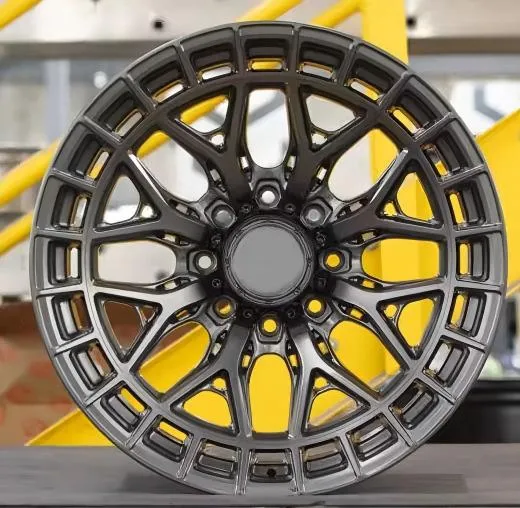
Classic Car Wheels Aluminum Rim for Rolls-Royce SUV
Product IntroductionClassic Car Wheels Model Aluminum Rim designed for Rolls-Royce offroad pickup and SUV. High-quality aluminum wheel hub with customizable…
View Specifications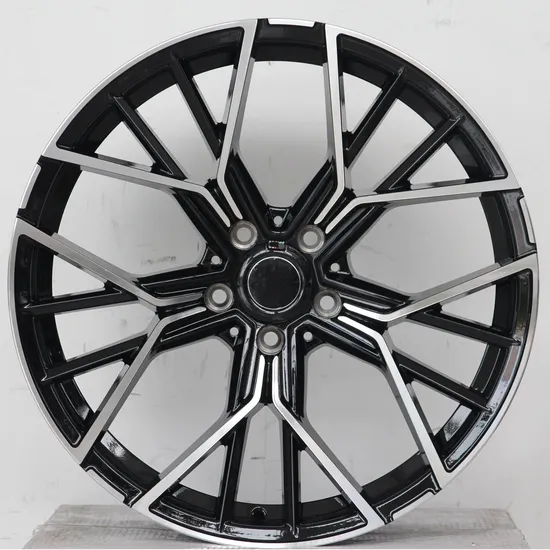 04
WHEEL RIM/HUB
Classical Style 5 Holes Machined Spoke Car Wheel Rim
Product IntroductionClassical Style Machined Spoke 5 Holes Car Wheel Rim, crafted from high-quality Alloy material. Featuring Equal Diameter Spoke design,…
View Specifications