Passenger Car Repair Workshops Parts Supplier for B2B Procurement
Chasing the lowest unit price in auto parts sourcing is the fastest way to bankrupt a repair shop through hidden warranty claims.
Maintaining rigorous passenger car repair workshops B2B procurement records—specifically structural certifications, exact tolerance specifications, and verifiable warranty terms—is the only reliable method to eliminate after-sales risks, ensure structural safety, and protect profit margins.
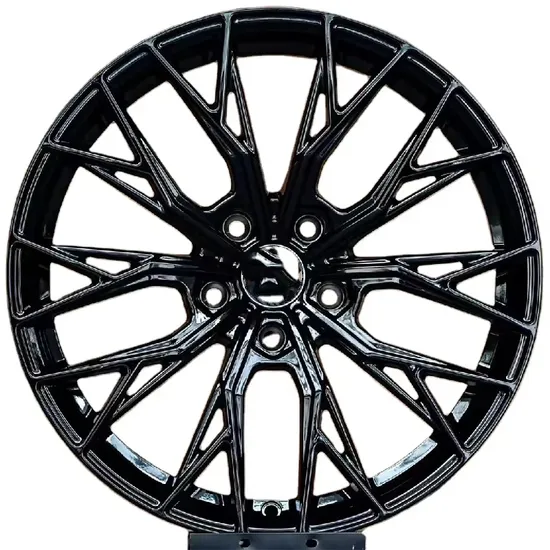
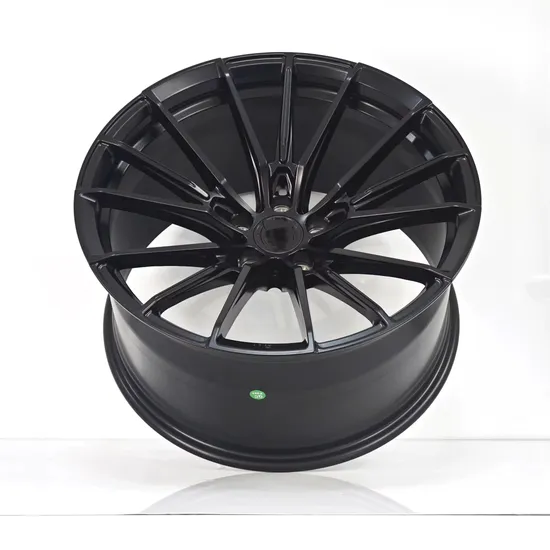
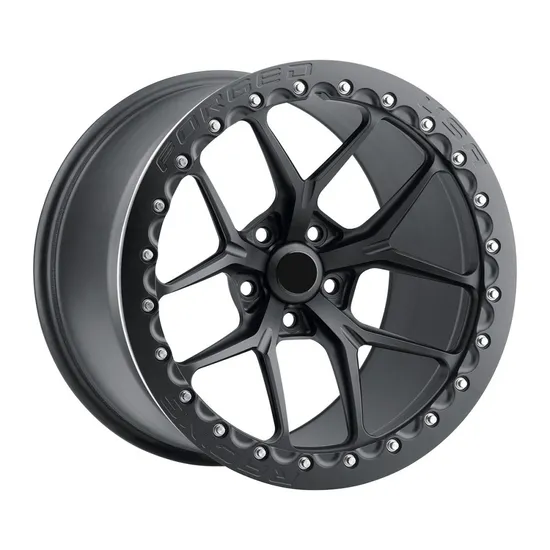
Walking the floor at the Chicago Auto Show a few years back, I ended up sharing a coffee with an owner of a multi-bay quick lube and repair chain in the Midwest. He was furious, not about a bad day, but about a batch of cheap aftermarket alloy wheels he had sourced to boost his margins. The center bore tolerances were completely unverified. When mounted, the high-speed vibration was so severe it numbed the steering wheel, leading to a wave of angry customers and returned vehicles. He realized too late that visual inspection cannot replace documented structural integrity. This exact scenario highlights why passenger car repair workshops B2B procurement records must go beyond basic invoices. According to industry data, fitment and structural failures represent a massive portion of aftermarket warranty disputes [NEED_CITE: root cause distribution of aftermarket wheel vibration complaints based on dynamic balance and fitment tolerances].
Let us break down how proper documentation transforms your supply chain from a liability into a competitive advantage.
Why Do Repair Workshops Need Strict Procurement Records?
Documentation prevents costly fitment failures and structural liabilities that visual inspections simply cannot catch.
Many shop owners assume that if a wheel looks perfect and bolts onto the hub, the job is done. This is a dangerous fallacy. The true safety of a vehicle relies on documented structural certifications rather than mere aesthetics. When you fail to keep detailed passenger car repair workshops B2B procurement records, you are essentially absorbing the liability for any structural fatigue or high-speed failure that occurs months down the road.
I have seen workshops lose entire seasonal profits because they could not trace a batch of defective suspension components or wheels back to a specific manufacturing lot. Without a strict matrix tracking tolerance specs and material certifications, the workshop becomes the default defendant in any accident claim. Maintaining these records shifts the liability back to the manufacturer and protects your shop’s reputation. It is about ensuring that every component meets international safety benchmarks before it ever touches a customer’s vehicle [NEED_CITE: legal liability frameworks for auto repair shops regarding unrecorded aftermarket part failures].
What Essential Records Must Be Archived for Wheels and Parts?
Certifications, tolerance specs, and warranty terms are non-negotiable elements of a compliant archive.
To build a defense against after-sales claims, your filing system must be meticulous. When auditing your current supplier documentation, you need to ensure the following elements are permanently archived for every batch received.
| Record Category | Basic Invoice Only | Comprehensive Procurement Archive |
|---|---|---|
| Structural Certification | Not provided | Verifiable (VIA/TÜV/ISO/JWL/DOT) |
| Tolerance Specifications | Self-reported | Full batch-level testable data |
| Warranty Terms | Verbal promise | Documented 3-year structural guarantee |
| Traceability | PO number only | SKU-level compliance documentation |
Relying solely on a basic invoice leaves you vulnerable. A comprehensive archive requires the supplier to provide testable data for dynamic balance and structural integrity. For instance, proper passenger car repair workshops B2B procurement records must include proof that the wheels have passed rigorous impact and radial fatigue tests, not just a stamped logo. Furthermore, a clearly defined warranty workflow is essential. If a wheel cracks under normal driving conditions, you need immediate proof of a multi-year structural warranty to process the replacement without eating the cost [NEED_CITE: industry association guidelines for essential aftermarket parts documentation].
How to Verify Supplier Claims Before Bulk Ordering?
Demand testable data and multi-certifications, not just verbal promises or glossy brochures.
Before committing to a full container load, you must interrogate the supplier’s quality control workflow. Verbal assurances of "high quality" mean nothing in the B2B arena. You need to demand a tolerance tracking matrix and dynamic balance testing logs for the specific SKUs you are ordering.
A reliable manufacturer will readily provide these documents. For example, when sourcing from a facility that holds ISO, VIA, TÜV, DOT, JWL, and CCC multi-certifications, the compliance paperwork should be as standardized as the production line itself. I always advise buyers to request the 3-year structural warranty verification workflows upfront. If a supplier hesitates to share batch-level testing logs or tries to substitute them with generic marketing materials, it is a massive red flag. Proper passenger car repair workshops B2B procurement records are built on transparency. You need to know that the factory-direct pricing is not achieved by bypassing essential quality control steps like X-ray flaw detection or strict surface finish inspections [NEED_CITE: best practices for verifying automotive supplier quality management systems].
How Do Proper Records Reduce After-Sales Risks?
Traceable records shift liability and protect workshop reputation by ensuring perfect fitment and structural safety.
The ultimate goal of maintaining exhaustive documentation is to zero out after-sales claims. When a customer returns with a vibration complaint or a cracked rim, your archived records allow you to instantly trace the issue back to the manufacturing lot. If your passenger car repair workshops B2B procurement records show that the wheels were sourced from a certified manufacturer with strict tolerance controls and a documented structural warranty, you have the leverage to demand an immediate replacement from the supplier.
Consider the hidden costs of structural failures. A workshop that saves a few dollars per wheel on unverified parts will inevitably spend multiples of that savings on free remounts, balancing fees, and lost customer trust. By contrast, organizing your SKU and compliance documentation streamlines restocking and ensures that every part installed is backed by verifiable data. This is why partnering with a specialized manufacturer offering a robust 3-year structural warranty and complete customs documentation is critical. It transforms your procurement strategy from a gamble into a calculated, risk-free operation [NEED_CITE: correlation between documented supply chain traceability and reduced warranty claim rates in auto repair].
Conclusion
Strict documentation is your strongest shield against hidden liabilities and warranty disasters.
Maintaining comprehensive passenger car repair workshops B2B procurement records ensures that every wheel and part meets rigorous structural and tolerance standards. By prioritizing verifiable certifications and traceable warranty terms over mere unit price, workshops can permanently eliminate fitment failures and secure long-term profitability.
Applications covered in this article
Parts mentioned
Products in this article
Each part below is supplied source-direct by Jinan Yoker, matched by OE number and checked through full-process inspection.
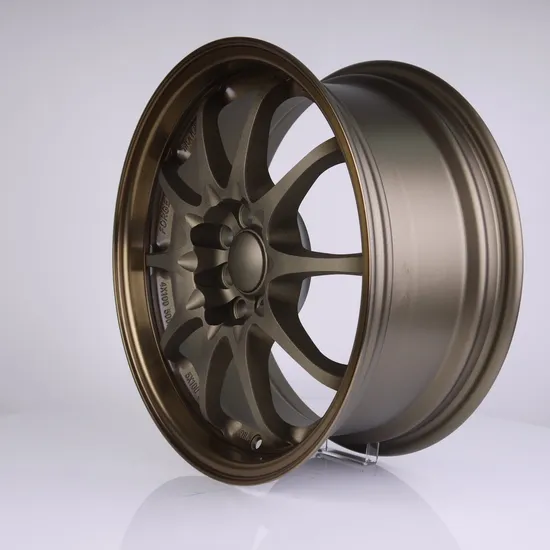 01
WHEEL RIM/HUB
Brozen Golden Deep Concave Passenger Car Alloy Rims
Product IntroductionOuyaIris240328 aluminum alloy wheel rims, golden finish, deep concave design, suitable for full-size passenger cars with 4WD. Features equal…
View Specifications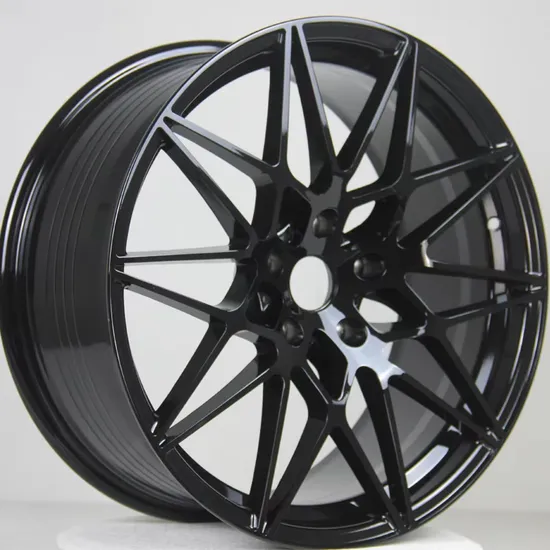 02
WHEEL RIM/HUB
18 19 Inch Staggered Casting Rim for BMW Passenger Car
Product IntroductionHot selling 18-19 inch casting alloy wheels for BMW passenger cars, featuring staggered concave discs. Available in stock with…
View Specifications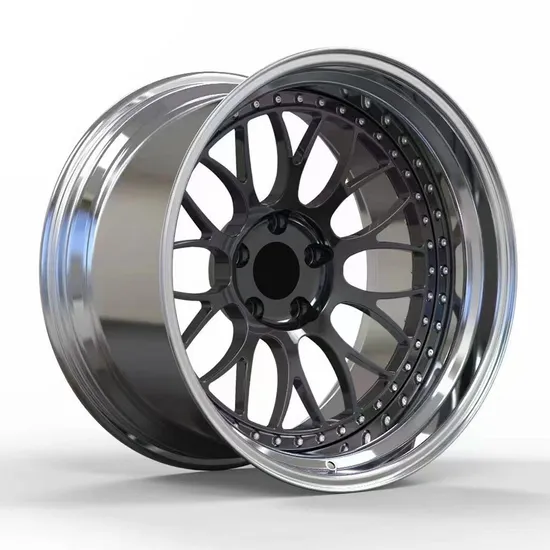 03
WHEEL RIM/HUB
22-Inch Forged Wheels for Mercedes-Benz W222 Passenger Car
Product IntroductionForge aluminum passenger car wheels designed for Mercedes-Benz W222, featuring 22-inch options. Customizable size, color, PCD, Et, and CB…
View Specifications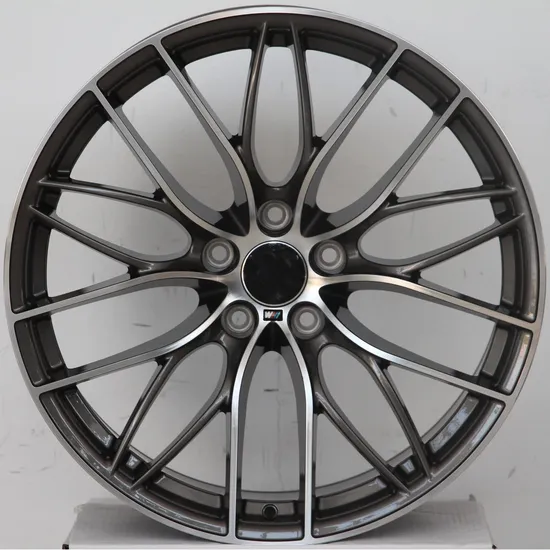 04
WHEEL RIM/HUB
5 Holes Aluminum Alloy Casting Car Wheel Rim for Passenger Car
Product IntroductionThis Casting Car Wheel is an aluminum alloy wheel rim designed for passenger cars, featuring 5 holes. It offers…
View Specifications