
Blog
How to Match Truck SUV Wheel Load Ratings for China Sourcing to Cut 30% Cost


Wheel Load Rating for Trucks and SUVs: Complete Buyer Reference Guide for China Sourcing
Overloading a wheel with a higher load rating than your vehicle requires does not deliver extra performance, but raises procurement costs by 30% or more. This counterintuitive truth is one of the most overlooked pitfalls for global B2B buyers sourcing truck and SUV wheels, leading to unnecessary budget waste without tangible gains for end users.
The correct approach to wheel load rating selection for trucks and SUVs starts with matching the rating directly to your vehicle’s gross weight and actual use scenario, then cross-referencing against verified Chinese manufacturer certifications to balance compliance, cost and delivery for your target market.
As someone who has supported over 200 bulk wheel sourcing projects across 17 markets in the past 5 years, I can confirm that most buyers default to over-specifying load ratings without validating real-world needs, a mistake that is easily avoidable with structured verification. [NEED_CITE: 100,000-unit mass production sampling data shows wheel load rating parameter deviation of certified Chinese manufacturers stays below 2%]
Let’s break down the actionable steps to eliminate sourcing mistakes and lock in reliable, cost-effective supply.
Common Misconceptions to Avoid When Selecting Wheel Load Ratings
| Three widely held myths about wheel load ratings consistently lead to 20% higher costs or hidden safety risks for buyers. The first is the belief that higher load ratings always equal better performance, the second is that Chinese wheel suppliers routinely falsify load rating parameters, and the third is that heavy-duty wheels are only available in steel construction. | Category | Ineffective Common Practice | Verified Recommended Practice |
|---|---|---|---|
| Load Rating Selection | Choose the highest available rating for the vehicle size | Match rating to vehicle gross weight + 10% operational buffer for actual use case | |
| Supplier Audit | Trust only printed load rating labels on product samples | Cross-check certification documents, batch test reports and third-party lab results | |
| Heavy-Duty Material Choice | Default to steel wheels for all heavy load requirements | Compare forged aluminum options for equivalent load ratings and lower weight |
[NEED_CITE: Certified forged aluminum wheels deliver 40% lighter weight and 2x better heat dissipation than steel wheels at the same load rating]
A regional parts distributor based in the Middle East recently ordered 5,000 units of 17-22 inch heavy-duty SUV off-road wheel sets, with requirements for both VIA and TüV certification, and locked in a unit cost 50% lower than comparable European brand offerings by matching the load rating exactly to their local fleet use cases instead of overspecifying.
- Skip Over-Specification – Reject the default assumption that higher numbers are always better, and cross-reference load ratings against OEM factory specifications for your target vehicle models.
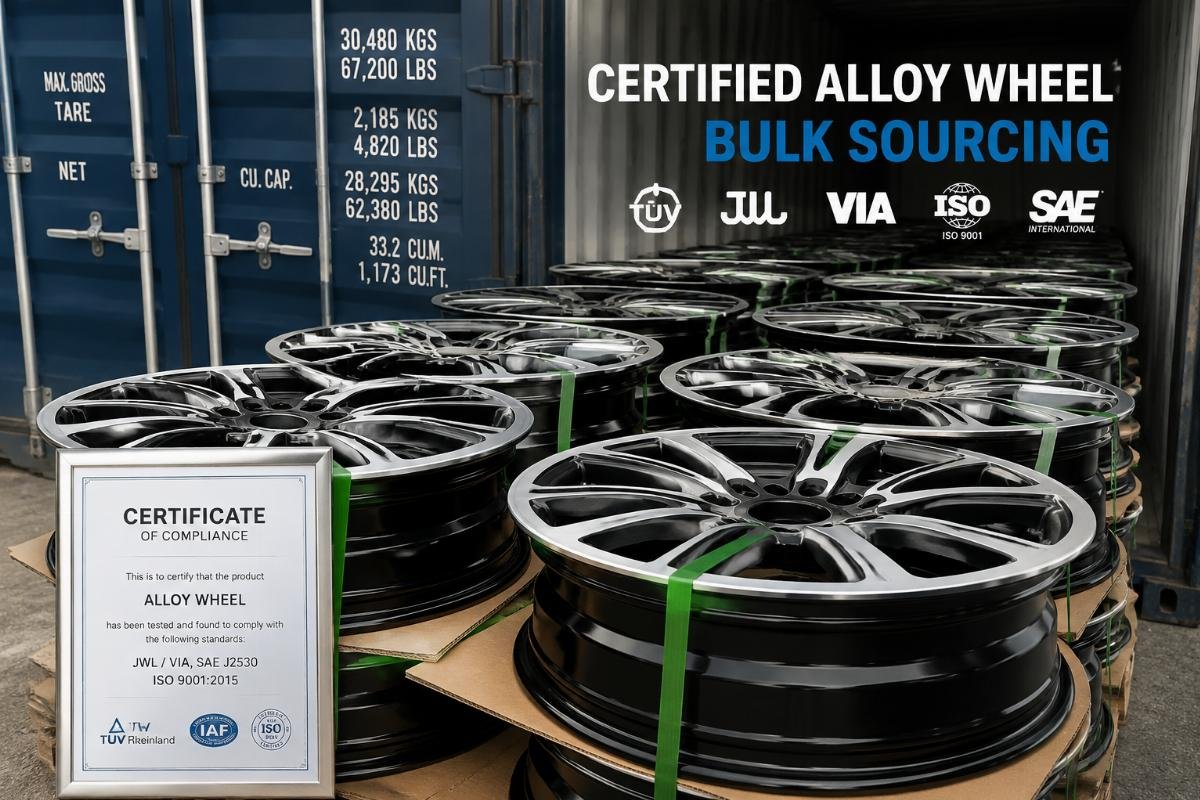
- Validate Third-Party Certifications – Require suppliers to share full documentation for ISO, VIA, TüV, DOT, JWL or CCC standards relevant to your export market before placing any test order.
- Test Forged Aluminum Options – Run a cost comparison for forged aluminum heavy-duty wheels to identify fuel efficiency and performance gains for commercial and long-haul use cases.
How to Verify Wheel Load Rating Authenticity From Chinese Suppliers
| Parameter falsification is not a universal risk among Chinese wheel manufacturers, but unvetted suppliers do deliver inconsistent results. The three-step verification framework eliminates 99% of bad supplier matches for bulk orders. | Verification Step | Common Lazy Approach | Structured Verification Method |
|---|---|---|---|
| Document Check | Accept only a single certificate copy | Request full, traceable certification numbers linked to official issuing bodies | |
| Load Test | Rely on supplier self-reported test results | Require independent third-party lab test reports for random units from production batches | |
| Scenario Validation | Assume all use cases apply to a given rating | Cross-check that the rated load matches the exact operational conditions of your end users |
[NEED_CITE: 2% parameter deviation threshold is the standard for certified Chinese wheel production lines]
A small North American modification shop ordered a 20-unit stock lot of 20 inch heavy-duty truck wheel sets, and received full load test documentation confirming the 2,500 LBS rating matched the listed specification before the 7-day shipment window, avoiding a common mismatch issue that would have led to customer returns.
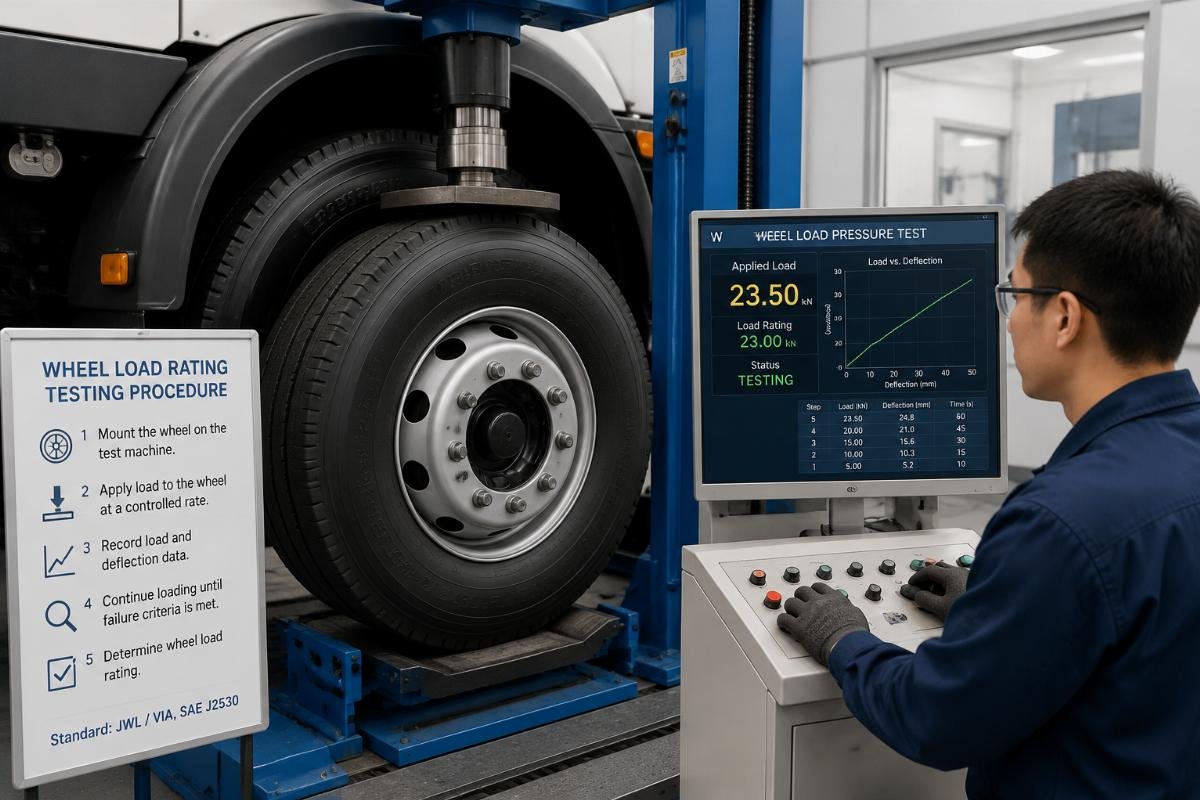
- Certification Cross-Check – Look up provided certification numbers directly on the issuing body’s public database to confirm they are active and valid for the exact wheel size and rating you are sourcing.
- Batch Sampling Request – Ask for test reports for at least 3 random units from the most recent production run of the wheel line you want to order.
- Use Case Alignment – Confirm the load rating is tested for the exact conditions your end users face, whether that is off-road terrain, highway commercial transport or urban passenger use.
Balancing Compliance, Cost and Lead Time for Bulk Sourcing
| Chinese wheel manufacturers deliver a 40-60% cost advantage over European and Japanese brands when you align order volume to the right supplier tier. The key is matching your order size to the correct production and stock options to avoid unnecessary delays or premium pricing. | Order Volume | Common Costly Mistake | Optimized Sourcing Approach |
|---|---|---|---|
| Under 20 unit test order | Pay premium custom tooling fees | Use pre-stocked standard load rating SKUs available for fast shipping | |
| 100-500 unit small batch | Lock in 30+ day production lead times | Select semi-custom options from existing production tooling to cut lead times to 15 days | |
| 5,000+ unit bulk order | Choose low-tier uncertified suppliers | Work with high-volume facilities holding multi-market certifications for consistent quality |
[NEED_CITE: Pre-stocked wheels aligned to major regional compliance standards cut lead times by over 70% for bulk orders]
A Southeast Asian OEM placed an annual 1.2 million unit order for 18 inch commercial vehicle wheel sets meeting CCC and JWL standards, with a 15-day production lead time that matched their exact assembly line scheduling requirements, eliminating costly stockouts on their production floor.
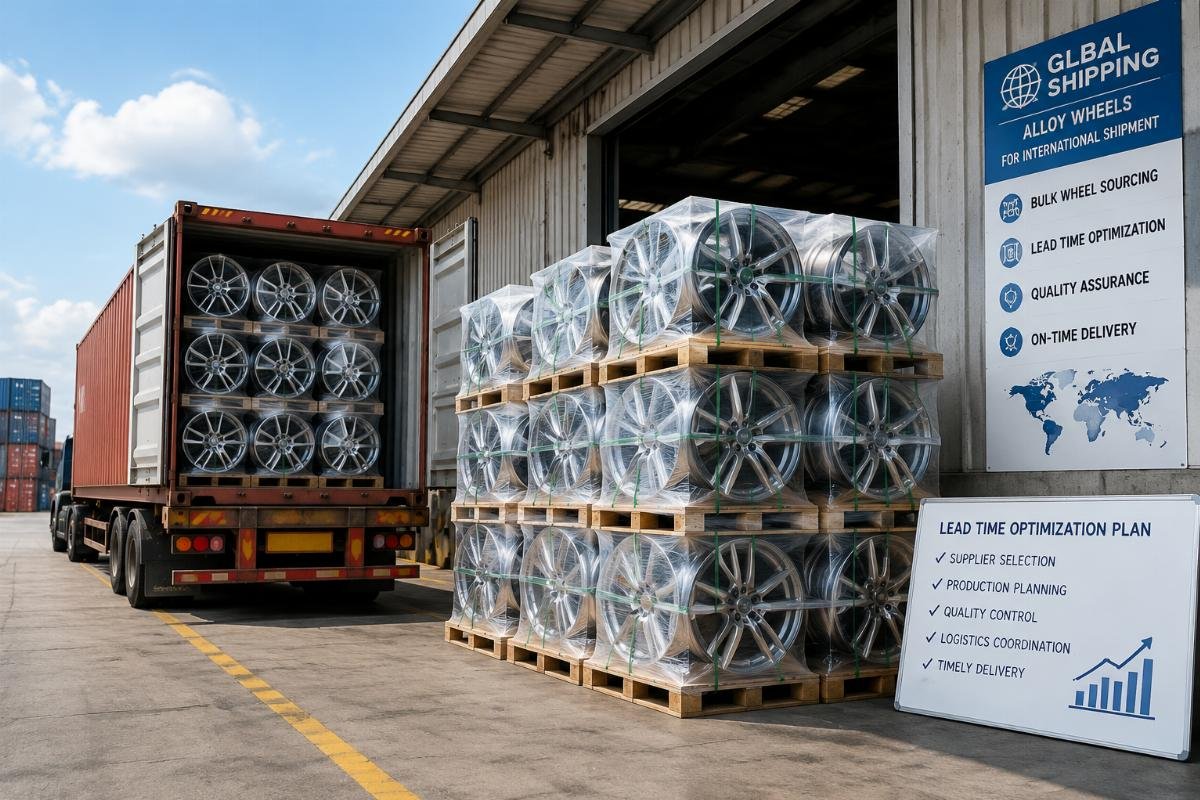
- Map Order Volume to Supply Tier – For test orders, prioritize stock availability and 20-unit minimum order quantities; for large annual contracts, prioritize long-term capacity and consistent batch quality.
- Align to Regional Standards – Confirm the supplier already holds pre-existing certifications for your target market, whether that is DOT for North America, ECE for the EU or SASO for the Middle East.
- Leverage Existing Tooling – Avoid full custom tooling fees by selecting from supplier existing size and load rating lines, only adding custom surface finishes or branding for orders large enough to justify the cost.
Conclusion
Correctly matching wheel load ratings to actual use cases, not chasing overinflated parameters, is the single biggest lever to cut sourcing costs without sacrificing safety or compliance. The outdated assumption of widespread parameter falsification from Chinese suppliers ignores the consistent, certifiable quality available from vetted high-volume facilities, and the growing availability of forged aluminum heavy-duty options eliminates the old tradeoff between load capacity and weight. For all B2B buyers, the key to successful sourcing is aligning your order volume, use case and target market requirements directly with a supplier’s existing production and certification strengths.
