
Hot-Climate Vehicle Cooling Service Records for B2B Wholesale Procurement
Most buyers blame product defects for heat damage, but the real culprit is often the invisible microclimate inside a shipping container.
The true barrier in hot-climate vehicle cooling service procurement lies not in unit pricing, but in the rigorous execution of customs compliance and anti-high-temperature packaging.
Before transitioning into the auto parts export business in Ningbo, I spent years handling shipping documents. I still remember a disastrous shipment of cooling system components destined for Riyadh. The declared HS code on the customs declaration slightly mismatched the actual physical attributes of the radiators, and the packaging lacked any high-temperature and high-humidity resistance. When the container finally opened at the destination port, the water tanks had warped, and the connection interfaces were heavily rusted. The buyer sent a furious video showing the damage and flatly refused to pay the balance. That incident completely shifted my focus. Now, when reviewing hot-climate vehicle cooling service procurement records, I look at customs compliance and thermal-resistant packaging first. These are the hidden reefs where wholesale purchases most easily wreck [NEED_CITE: root cause distribution of cargo damage in international maritime transport].
Understanding these operational realities is the first step toward securing your supply chain.
Why Do Cooling Parts & Accessories Fail in Hot-Climate Procurement?
The silent destroyer of auto parts in transit is the greenhouse effect trapped within steel shipping containers.
When analyzing historical hot-climate vehicle cooling service procurement records, a clear trend emerges over the past decade. The majority of physical damages to exterior parts and cooling components do not occur during manufacturing or final delivery, but during the ocean freight phase. According to international maritime transport data, the internal temperature of a container sailing through the Red Sea or the Persian Gulf can peak substantially higher than the ambient outside temperature [NEED_CITE: thermal dynamics and peak temperature variations inside standard maritime containers].
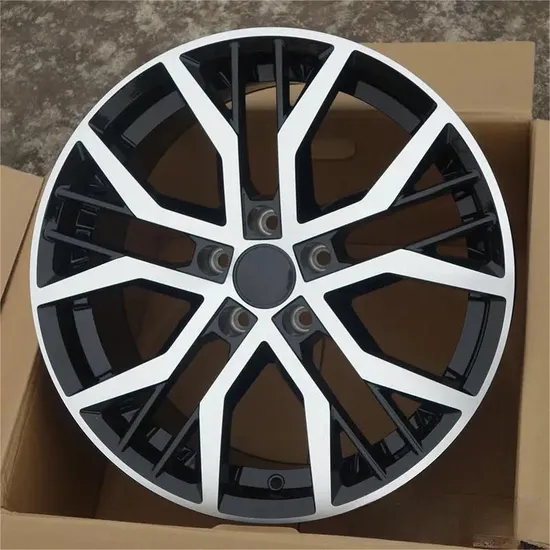
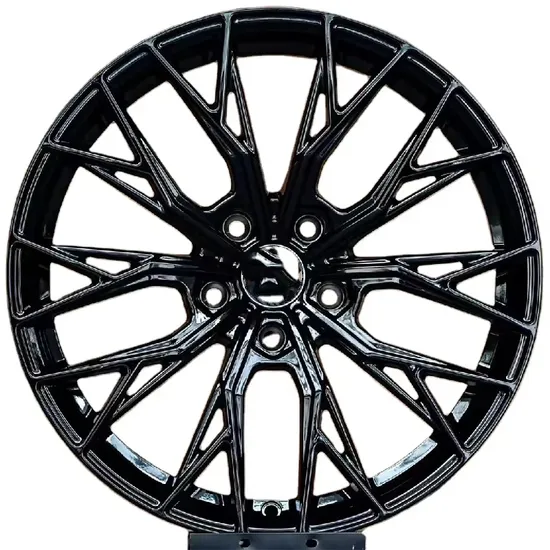
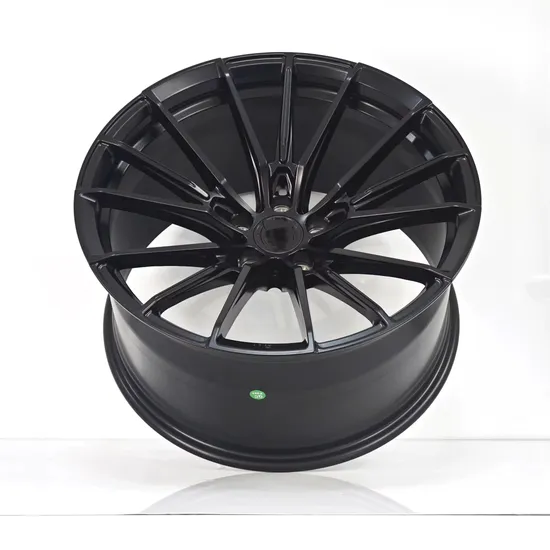
I once observed a batch of alloy wheels and exterior trim pieces shipped to a Middle Eastern distributor. The products left the factory in perfect condition. However, the container sat on a sun-baked tarmac for an extended period before loading. Inside, the trapped heat and condensation created a brutal microclimate. The high humidity caused microscopic oxidation on the machined faces of the wheels, while the extreme heat softened certain plastic clips in the exterior accessories. The return rate for that specific batch was noticeably high, entirely wiping out the profit margin. This pattern is consistently visible in hot-climate vehicle cooling service procurement records, proving that standard packaging simply cannot survive the journey. The physical environment demands specialized intervention before the goods even reach the port.
How to Ensure Customs Compliance for Cooling & Exterior Parts?
A mismatched customs document is far more costly than a delayed shipment.
Navigating the regulatory landscape is a critical component of hot-climate vehicle cooling service procurement. In regions like the Middle East and Latin America, customs authorities have become increasingly stringent regarding automotive components. The most frequent point of failure is the misclassification of goods. Many buyers assume that HS codes are merely a formality for the document clerk, but in reality, a discrepancy between the HS code for auto cooling parts and the physical nature of the goods can lead to immediate cargo seizure at the destination port.
Reviewing recent B2B auto parts sourcing Middle East trends, we see that customs delays caused by documentation errors can stretch into several weeks. I recall a case where a shipment of radiator support covers was declared under a generic plastic parts code instead of the specific automotive exterior category. The local customs held the entire container for inspection, demanding extensive technical dossiers that were not prepared. The demurrage costs alone were a mid-six-figure loss in local currency. Proper hot-climate vehicle cooling service procurement requires aligning the technical specifications of the parts with the precise tariff classifications well before the vessel departs. Compliance is not an afterthought; it is the foundation of a successful transaction.
What Are the Anti-High-Temperature Packaging Standards for Auto Parts?
Standard export cartons are essentially ovens when left on a sun-baked dock.
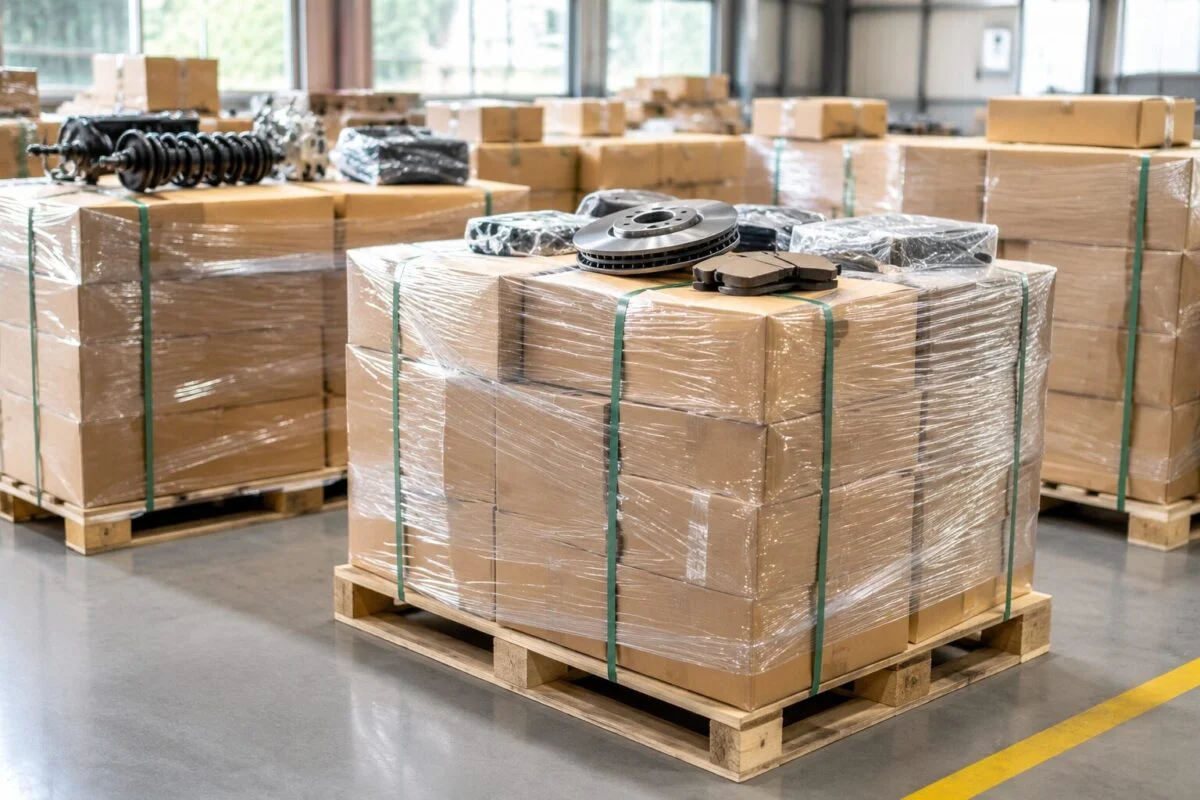
The evolution of high temperature car accessories packaging over recent years highlights a shift from basic protection to climate-specific engineering. In hot-climate vehicle cooling service procurement, the packaging must act as a thermal and moisture barrier. Standard corrugated boxes absorb humidity and lose structural integrity when exposed to extreme heat, leading to collapsed stacks and crushed components.
Effective high temperature car accessories packaging involves multi-layered defense mechanisms. This includes using desiccants to control internal moisture, wrapping metal components in VCI (Volatile Corrosion Inhibitor) films, and utilizing pallets treated to withstand thermal expansion. I have seen suppliers switch to reinforced, heat-reflective outer wraps for shipments heading to desert climates. The cost of this specialized packaging is a fraction of the total order value, but it dramatically reduces the risk of heat-induced deformation and rust. When evaluating hot-climate vehicle cooling service procurement records, the batches that utilized advanced thermal packaging showed a near-zero damage rate upon arrival, proving that investing in the right materials is non-negotiable.
How to Evaluate Suppliers for Hot-Climate Auto Parts Sourcing?
A reliable partner integrates compliance and packaging into their core operational DNA.
When assessing potential partners for hot-climate vehicle cooling service procurement, price is merely the entry ticket. The real evaluation must focus on their ability to execute complex logistics and technical compliance seamlessly. A top-tier supplier does not just manufacture parts; they engineer the entire delivery process to withstand harsh environments.
For instance, in the realm of alloy wheels and exterior modifications, brands like Ouya have demonstrated how to integrate these critical elements into their service model. They provide comprehensive customs documentation that perfectly matches the physical attributes of the alloy wheels and accessories, eliminating port clearance friction. Furthermore, their packaging solutions are specifically tailored for high-temperature and high-humidity environments, ensuring that the structural stability and surface finishes of the wheels remain flawless from the factory in Jinan to the modification shops in the Middle East or Latin America. This holistic approach to hot-climate vehicle cooling service procurement ensures that buyers receive products that are not only certified and high-quality but also arrive in perfect, ready-to-sell condition. Evaluating a supplier’s logistical and compliance capabilities is just as important as inspecting the physical samples.
Conclusion
Success in extreme climates is defined by preparation, not just product quality.
Mastering hot-climate vehicle cooling service procurement requires a deep understanding of maritime microclimates, strict adherence to customs classifications, and the implementation of specialized thermal packaging. By prioritizing these operational details and partnering with suppliers who integrate compliance and protection into their core processes, buyers can secure their supply chains and ensure their auto parts arrive ready for the road.