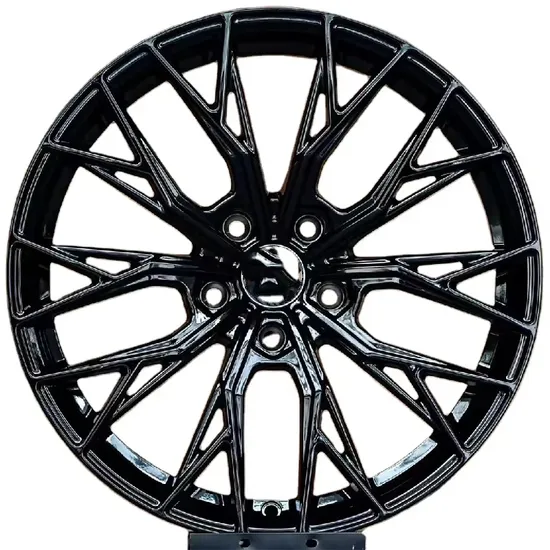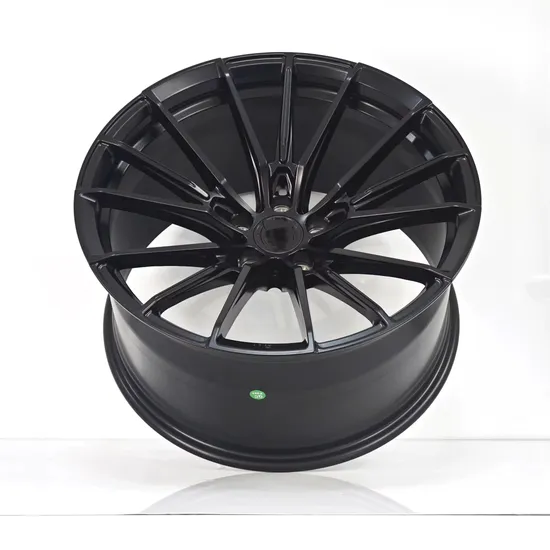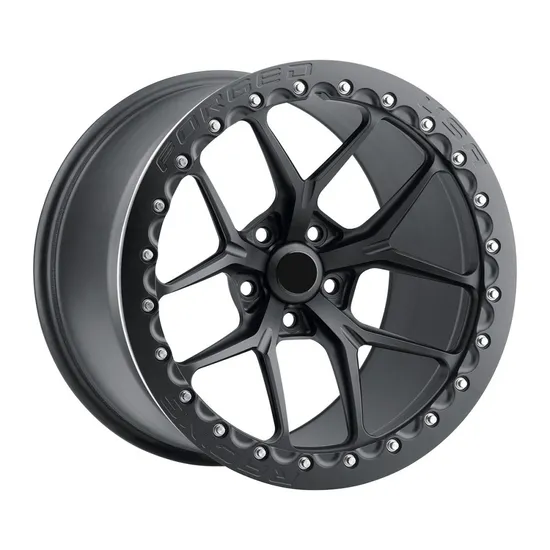
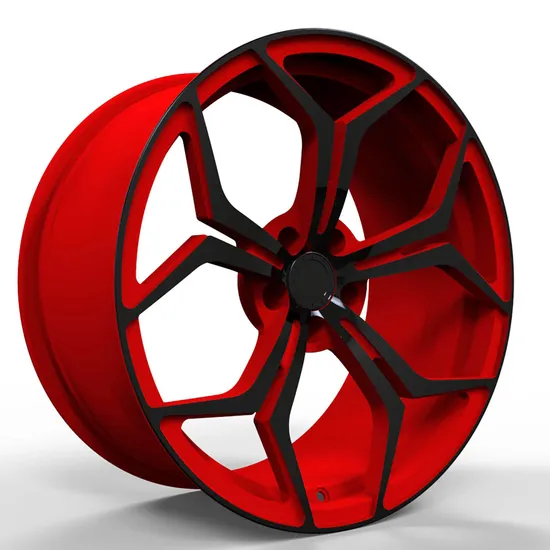
Fleet Service & Vehicle Uptime Auto Parts Testing Wholesale Supplier
Unit price is rarely the primary driver for fleet wheel procurement; total cost of ownership, heavily inflated by downtime penalties, makes testing ROI the actual priority.
Rigorous fleet service vehicle uptime testing, particularly dynamic radial fatigue evaluation, is non-negotiable for suppliers to guarantee continuous operation and prevent costly roadside failures.
I still remember a logistics boss in Ningbo pointing at a batch of deformed rims returned from his fleet, yelling about wheels cracking before reaching a fraction of their expected mileage. Back then, having just transitioned from the workshop to sales, I was entirely focused on securing low-price orders, completely ignoring the brutal reality of high-intensity fleet operations and their strict demands for fatigue validation. That single batch, lacking sufficient dynamic radial fatigue validation, grounded a massive portion of his trucks and cost me a mid-six-figure penalty in breach-of-contract claims. Since that disaster, I have obsessively focused on testing standards and operational availability, realizing that fleet service tolerates zero compromises, and wholesale supply relies on road-tested baselines rather than mere price tags. When evaluating fleet service vehicle uptime testing, buyers must look beyond static load assumptions and demand verifiable dynamic data [NEED_CITE: correlation between dynamic radial fatigue cycles and long-term highway structural integrity].
Transitioning from that painful lesson, the focus shifted entirely to understanding why these catastrophic failures happen in the first place.
Why Do Fleet Wheels Fail Prematurely on the Road?
The majority of premature fleet wheel failures stem directly from a severe lack of dynamic fatigue testing, leading to unexpected cracking and massive operational downtime.
In the heavy-duty transport sector, wheels endure continuous, cyclical stress that static load tests simply cannot replicate. A high-mileage logistics fleet once experienced a surge in premature failures because their supplier relied solely on basic static validation. The wheels developed micro-cracks along the spoke roots long before the expected mileage threshold. This is a classic symptom of inadequate fleet service vehicle uptime testing. When a wheel fails on the highway, the consequences extend far beyond the replacement part itself. The towing costs, delayed cargo penalties, and disrupted supply chains easily multiply the initial part cost several times over.
Similarly, mixed-duty regional trucks operating with heavy, uneven loads frequently suffer from rim deformation. If the wheel design has not been subjected to rigorous dynamic radial fatigue test vehicle uptime protocols, the rim flange will gradually warp under the combined stress of cornering forces and vertical impacts. The discrepancy between laboratory static limits and actual road conditions creates a blind spot. Without simulating the exact rotational fatigue a wheel experiences over thousands of miles, suppliers are essentially guessing. Fleet distributors and B2B wholesalers must recognize that a wheel that passes a static crush test but fails a dynamic endurance run is a liability, not an asset. The root cause distribution of fleet wheel failures consistently points to fatigue-induced structural breakdown rather than sudden impact overload [NEED_CITE: root cause distribution of commercial wheel failures per international automotive fatigue standards].
Understanding the failure mechanisms naturally leads to the specific methodologies required to prevent them.
What Are the Critical Tests for Fleet Vehicle Uptime?
Dynamic radial fatigue and impact tests are mandatory for heavy-duty and high-mileage applications to ensure true fleet service vehicle uptime testing compliance.
Static load tests are often mistakenly considered sufficient for fleet applications. In reality, dynamic radial fatigue is the true predictor of long-term highway uptime. The dynamic radial fatigue test involves mounting the wheel to a simulated road drum, applying a specific radial load, and rotating it at high speeds for millions of cycles. This process replicates the continuous rolling resistance and vertical loads a truck experiences on the highway. Parameters such as load capacity, rotational speed, and total cycle counts must be strictly controlled to meet fleet wheel testing standards. If a wheel survives this grueling cycle without developing cracks or excessive runout, it proves its structural endurance.
Equally critical is the 13-degree impact testing, which simulates the wheel striking a pothole or curb at an angle. This test evaluates the rim’s ability to absorb sudden, localized shock without fracturing or losing tire seal. Furthermore, cornering fatigue standards assess the wheel’s resilience against lateral forces generated during turning and lane changes. These tests collectively form the backbone of reliable fleet service vehicle uptime testing. A supplier claiming to serve the commercial market must have the in-house capability to execute these exact protocols, ensuring that every batch meets the rigorous demands of real-world logistics [NEED_CITE: technical parameters and cycle requirements for dynamic radial fatigue testing in commercial vehicle applications].
Knowing the tests is one thing; verifying that a supplier actually performs them is another.
How to Verify a Supplier’s Testing Capabilities?
Request comprehensive test reports, check multi-certifications like TÜV and DOT, and audit the structural warranty terms to validate genuine fleet service vehicle uptime testing.
In the B2B wholesale supply chain, high return rates from fleet clients are a massive drain on profitability. One regional distributor faced crippling return rates until they mandated strict batch testing from their overseas partners. After implementing rigorous verification, their return rate dropped noticeably, and warranty claim costs fell significantly. To avoid such pitfalls, buyers must actively verify a supplier’s testing infrastructure. Do not just accept a certificate; ask for the actual test reports corresponding to the specific wheel design and size you are purchasing. These reports should detail the load applied, the number of cycles completed, and the final inspection results.
Multi-certification is a strong indicator of a supplier’s commitment to fleet service vehicle uptime testing. Certifications from recognized authorities such as ISO, TÜV, DOT, and JWL are not merely marketing badges; they require the manufacturer to maintain documented, repeatable testing processes and undergo regular facility audits. A supplier holding these certifications has proven their ability to meet diverse global standards. Additionally, scrutinize the warranty terms. A genuine 3-year structural warranty is the ultimate guarantee of a supplier’s confidence in their fleet wheel testing standards. If a supplier hesitates to back their products with a comprehensive structural warranty, it is a clear signal that their internal testing protocols may be lacking. Verifying these elements ensures that the wheels you procure are built to keep fleets moving [NEED_CITE: requirements for structural warranty validation and multi-certification audits in commercial wheel manufacturing].
Ultimately, all these testing protocols converge on a single business metric.
How Does Rigorous Testing Impact Total Cost of Ownership?
Investing in certified fleet service vehicle uptime testing prevents costly penalties and secures long-term fleet contracts by drastically reducing total cost of ownership.
The most counter-intuitive aspect of fleet procurement is that the cheapest wheel is often the most expensive. When a fleet operator experiences downtime due to wheel failure, the penalties they face from their own clients are severe. If a wholesale supplier provides wheels that fail prematurely, the supplier is inevitably held liable for those downstream losses. Therefore, investing in certified fleet service vehicle uptime testing is not an overhead cost; it is a direct investment in contract security. Suppliers who prioritize rigorous testing, such as comprehensive dynamic radial fatigue evaluations, protect their buyers from these catastrophic financial exposures.
Consider a B2B wholesale supply chain scenario where a supplier cuts corners on testing to offer a lower unit price. The initial savings are quickly wiped out by the first major batch failure, leading to air-freight replacement costs, lost customers, and legal disputes. Conversely, a supplier who integrates multi-certifications like ISO, TÜV, DOT, and JWL into their production cycle, and stands behind their products with a 3-year structural warranty, provides peace of mind. This level of reliability allows distributors to win and retain lucrative, long-term fleet contracts. The ROI of proper fleet service vehicle uptime testing is realized in the absence of failures, the stability of the supply chain, and the trust built with end-users who demand uninterrupted operation [NEED_CITE: financial impact analysis of wheel downtime versus initial procurement costs in commercial logistics].
Conclusion
Fleet service vehicle uptime testing is the definitive barrier between profitable operations and catastrophic downtime. Rigorous dynamic radial fatigue evaluations and multi-certified structural validations ensure that wheels withstand the brutal realities of commercial transport. By prioritizing verifiable testing over mere unit price, distributors and fleet operators secure their supply chains, eliminate hidden penalty costs, and guarantee the continuous movement of goods across the highway.