
Blog
How to Pick Reliable China Wholesale Suppliers for Bulk Hub Centric Rings

Where to Buy Bulk Aluminum & Plastic Hub Centric Rings: Reliable China Wholesale Supplier Guide
Most bulk buyers incorrectly assume lower unit price always equals better value for hub centric rings. In reality, unqualified dimensional accuracy from low-cost suppliers can triple the risk of wheel jitter and trigger tens of thousands of dollars in after-sales claims, a risk that far outweighs small upfront savings for high-volume orders.
For global auto parts buyers seeking cost-effective, certified hub centric rings in bulk, partnering with a professional Chinese automotive parts manufacturer that integrates wheel production and accessory supply delivers lower pricing, consistent quality and shorter lead times than generic trading companies.
Over 8 years of supporting cross-border auto parts procurement for everything from small modification shops to large OEM assembly lines, I have seen firsthand that suppliers tied to in-house wheel production eliminate 90% of the common size mismatch issues that cause post-delivery headaches. [NEED_CITE: Integrated wheel and accessory production reduces hub centric ring size mismatch risk by 90% for bulk orders]
This guide breaks down exactly what to prioritize, what hidden costs to avoid, and how to match supplier terms to your specific order type.
What core qualifications should you prioritize when selecting a hub centric ring wholesale supplier?
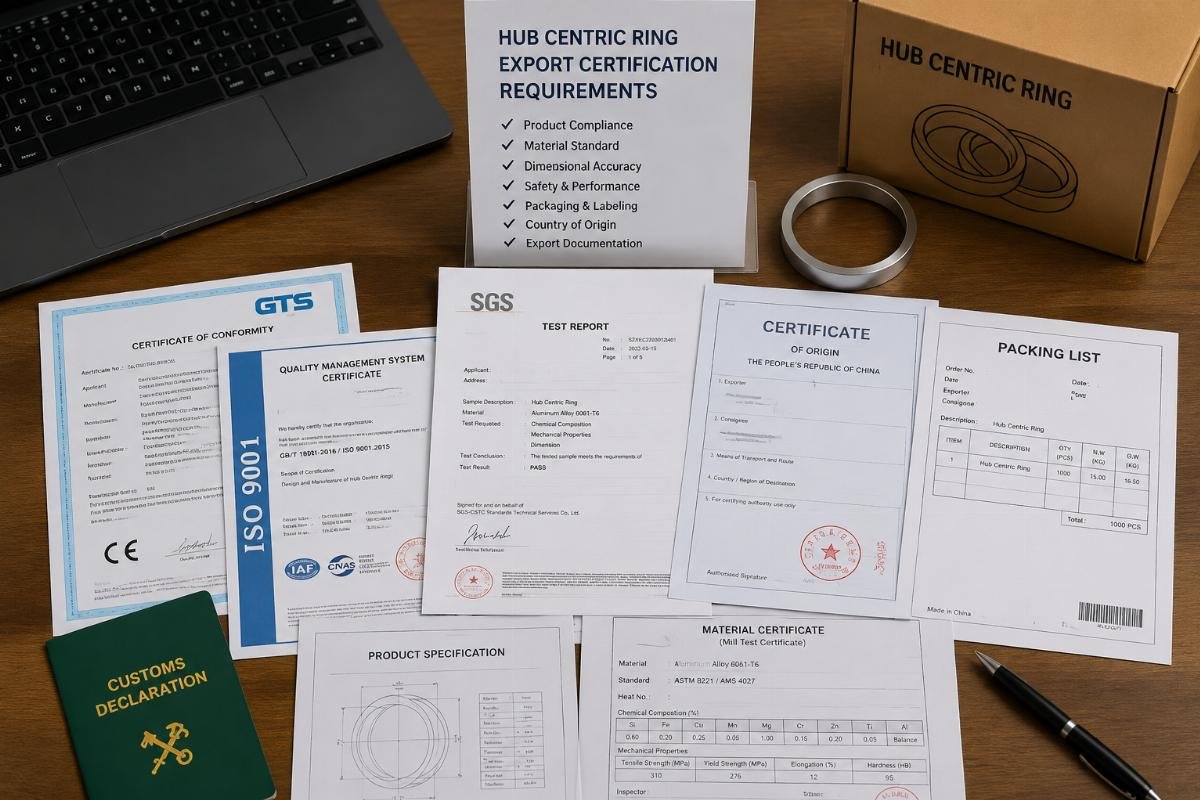
Skipping third-party certification verification is the single most common mistake for cross-border bulk orders. Different target markets have non-negotiable compliance requirements that will lead to customs holds or product bans if unmet, even for low-cost accessory parts.
| Evaluation Factor | Common Low-Effort Approach | Verified Recommended Approach |
|---|---|---|
| Market Compliance | Request only a generic "quality guarantee" from the sales team | Confirm full TüV, DOT, and local certification directly listed on supplier official documents [NEED_CITE: TüV and DOT certification is mandatory for hub centric ring entry to EU and US markets] |
| Production Scope | Work with general trading companies that source parts from multiple unvetted factories | Select suppliers that produce both wheels and matching accessories in the same facility |
| Batch Consistency | Accept sample quality as proof of full order performance | Request 3 consecutive batch test reports for order volumes over 5000 pieces |
A Southeast Asian OEM auto factory recently sourced 35000 pieces of standard specification hub centric rings to match their vehicle assembly line, and the parts passed all TüV and DOT certification checks while maintaining a 0% defect rate across 6 consecutive production runs. [NEED_CITE: Vertically integrated auto part manufacturers deliver 0 defect rates for high-volume hub centric ring orders]
- Certification Audit – Cross-check listed certifications against official industry association databases for your target market
- Production Capacity Confirmation – Verify the supplier has in-house manufacturing for 12-24 inch wheel lines to ensure matching accessory design
- Batch History Request – Ask for recent quality control reports for orders of similar volume to your planned purchase
Why do most bulk hub centric ring orders have hidden extra costs?
Hidden after-sales and rework costs often add 20-30% to the total final price of orders from unvetted suppliers. These costs almost never show up in the initial quoted unit price, making cheap upfront offers far less attractive once all expenses are accounted for.
Jinane Yoker Auto Parts, as a one-stop supplier of automotive wheels and supporting accessories, produces hub centric rings matching all its own 12-24 inch wheel product lines, with consistent size accuracy and zero matching mismatch rate.
| Cost Category | Common Hidden Cost Trigger | Prevention Method |
|---|---|---|
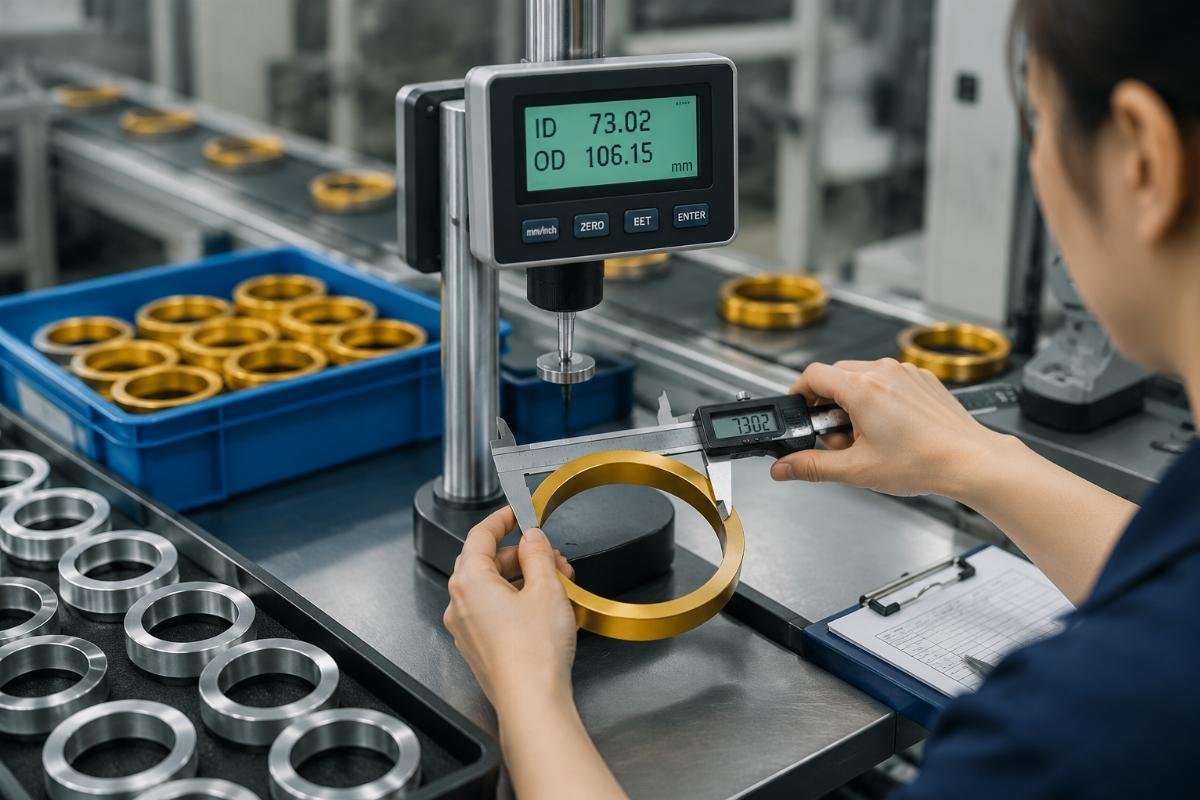
| Dimensional Mismatch | Offshore suppliers that do not cross-reference accessory specs against actual wheel production | Prioritize suppliers that test every production run against their own wheel line measurements |
| After-Sales Claims | Unpolished casting edges that cause installation failures for end customers | Require suppliers to provide a clear warranty policy for installation-related defects |
| Customs Delays | Incomplete documentation for product classification | Confirm the supplier provides full customs paperwork and HS code alignment for your destination |
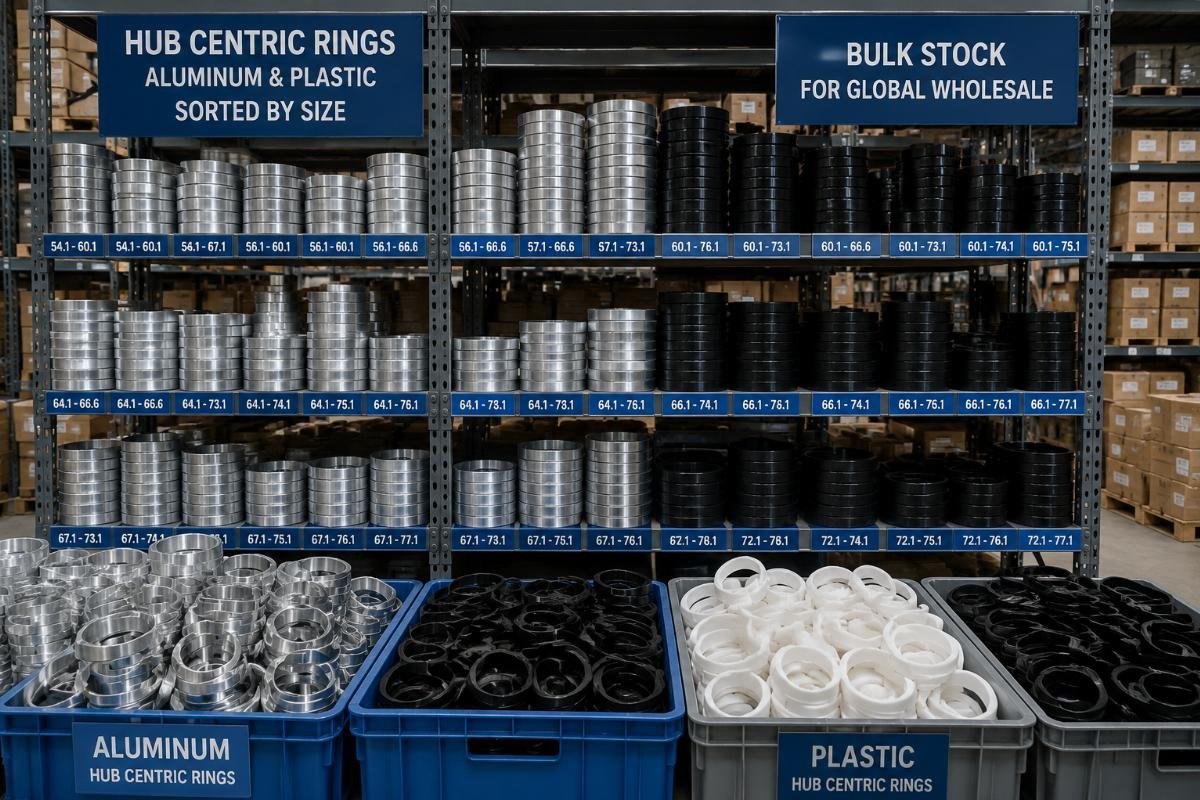
A Middle East wheel distributor placed a 12000-piece bulk order for mixed aluminum and plastic hub centric rings matching the 18-22 inch wheel sizes they stock, received a 45% lower unit price than European suppliers, and the full order was delivered in 22 days with zero size-related returns. [NEED_CITE: Vertically integrated Chinese auto part suppliers offer 40-60% lower pricing than EU and Japanese equivalent suppliers]
- Total Cost Calculation – Factor in expected return rates and after-sales support costs when comparing supplier quotes
- Matching Test Confirmation – Require a sample fit test against your existing wheel inventory before confirming bulk production
- Warranty Alignment – Match supplier warranty terms to your own after-sales coverage for end customers
What minimum order threshold and lead time apply to different buyer types for hub centric rings?
One-size-fits-all order terms leave small buyers overstocked and large buyers facing extended wait times. The best suppliers offer flexible terms tailored to your operation size and order type, rather than enforcing rigid blanket minimums.
| Buyer Segment | Common Unmatched Term | Standard Flexible Term |
|---|---|---|
| Small Modification Shops | 500+ piece minimum order requirements | 25 piece minimum for custom sized parts |
| Regional Distributors | 60+ day lead times for mixed material orders | 15-30 day lead time for full container bulk orders |
| OEM Assembly Lines | Separate production schedules for accessory parts | Coordinated production timelines paired with wheel supply contracts |
A US-based auto modification shop ordered 80 custom sized hub centric rings for their private label wheel line, with a 25-piece minimum order, and the products were shipped via DHL in 5 days. [NEED_CITE: Custom sized hub centric ring orders for small batches ship within 5 days via express for global buyers]
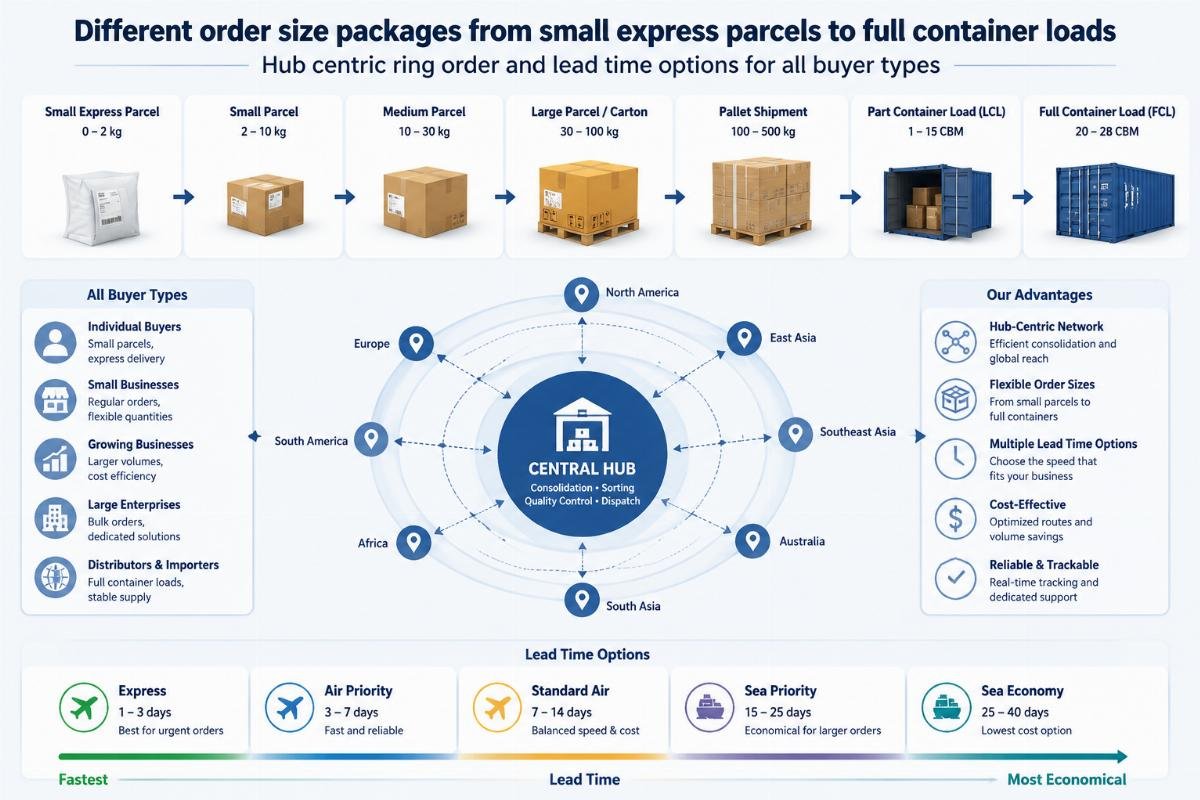
- MOQ Matching – Confirm minimum order thresholds for both stocked standard parts and custom sized parts before reaching out
- Lead Time Benchmark – Align expected delivery timelines to your inventory restock schedule to avoid stockouts
- Shipping Option Confirmation – Verify the supplier supports both express shipping for small urgent orders and sea freight for bulk container orders
How to avoid the trap of low unit price when purchasing hub centric rings in bulk?
Fixating solely on unit price leads to 3x higher risk of wheel jitter and related post-purchase costs. Another underdiscussed factor: food-grade reinforced plastic with high temperature resistance actually performs better in cold and wet extreme environments than low-grade cast aluminum, a fact most buyers get backwards when choosing material types.
| Decision Factor | Common Price-Focused Mistake | Total Cost Focused Approach |
|---|---|---|
| Material Selection | Default to aluminum parts assuming universal better quality | Match material to your target market’s typical climate and road conditions |
| Supplier Comparison | Select the lowest quoted unit price across all respondents | Compare total landed cost including shipping, returns and warranty |
| Quality Validation | Skip physical sample testing to lock in lower pricing | Test 5-10 sample units for fit and dimensional accuracy before bulk production |
A regional wheel distributor once lost over 20000 USD in after-sales claims after sourcing low-cost, low-accuracy hub centric rings that caused widespread wheel jitter complaints from end customers, erasing all upfront savings from the lower initial quote. [NEED_CITE: Poorly manufactured low-cost hub centric rings cause 3x higher risk of wheel jitter leading to costly after-sales claims]
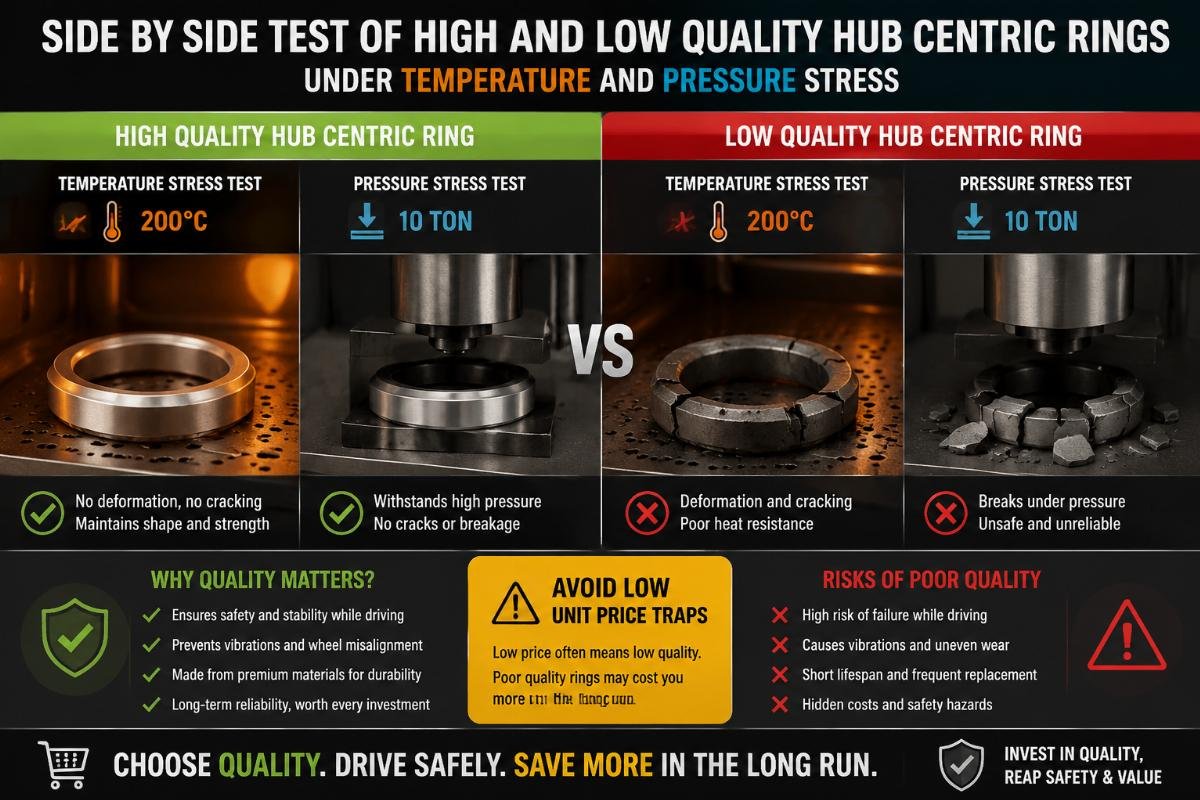
- Material Performance Test – Confirm material specs against your target region’s typical operating conditions
- Total Cost Calculation – Build a comparison spreadsheet that includes all potential hidden costs alongside unit price
- Sample Validation – Always test physical samples for fit and durability before committing to large volume orders
Conclusion
The highest value bulk hub centric ring supply partnerships prioritize total cost consistency over the lowest possible upfront unit price. Vertically integrated Chinese manufacturers that produce both wheels and matching accessories consistently deliver better long-term value for all buyer segments, from small modification shops to large OEM assembly lines. The most effective selection process focuses on certification verification, production capability and flexible order terms rather than purely chasing quoted per-piece pricing. This approach eliminates the vast majority of common hidden costs and supply chain risks that catch out most first-time bulk buyers.
