Heavy-Duty Truck Maintenance: Manufacturing & Inspection Supplier
Static laboratory parameters mean absolutely nothing when a wheel hits a corrugated dirt road under a full payload in extreme heat.
True heavy-duty truck wheel maintenance starts long before the vehicle hits the road; it begins at the manufacturing and inspection phase, where static lab data must be validated against extreme terminal operating conditions to prevent catastrophic field failures.
I still remember the batch of rims we prepared for a client in Lagos. Back in the Jinan workshop, every single piece passed the static dynamic balance tests flawlessly. The runout was minimal, and the paint adhesion looked perfect on the inspection line. But once those wheels were mounted on trucks hauling heavy loads out of the port onto unpaved, rutted mining routes, the steering wheels shook violently. The dynamic imbalance under high temperature and severe vibration caused rapid hub wear, leading to a massive return claim. That shipment was a wake-up call. It proved that checking static parameters in a climate-controlled room is useless if the wheels cannot survive the brutal reality of terminal operations. We had to shift our entire quality control mindset to factor in full-load, high-temperature rough-road dynamics [NEED_CITE: correlation between static balance and dynamic failure rates in heavy commercial vehicles].
This realization fundamentally changed how we approach heavy-duty truck wheel maintenance, moving the focus from mere compliance to actual survival in the field.
Why Static Lab Tests Fail in Real-World Trucking?
Passing a static test only proves a wheel is mathematically perfect in a vacuum, not that it can handle the chaotic physics of a loaded haul.
Most buyers assume that if a wheel passes standard static balance and radial runout checks, it is ready for the road. The reality is far more complex. When a truck carries a massive payload through a high-temperature environment, the alloy expands, and the structural dynamics change entirely. A wheel that is perfectly balanced at room temperature can develop severe dynamic imbalance when subjected to the thermal and mechanical stress of a long-haul route.
In an African mining route case we analyzed, the terminal conditions involved continuous high-temperature exposure and heavy-load vibration. The wheels that passed standard static inspections began to show dynamic imbalance because the material fatigue limits were exceeded under real-world thermal expansion. The static parameters completely ignored the terminal dynamic loads [NEED_CITE: material fatigue behavior of aluminum alloys under thermal and mechanical cycling].
The consequence was a noticeable increase in field failures. The vibration didn’t just make the drive uncomfortable; it accelerated the wear on the hub assemblies and suspension components. This shows that static lab tests are fundamentally disconnected from the actual structural fatigue limits dictated by terminal conditions like mining or long-haul transit. True heavy-duty truck wheel maintenance requires acknowledging that the laboratory is not the road.
How Should Inspection Adapt to Extreme Terminal Conditions?
Inspection protocols must evolve from simple pass/fail static checks to rigorous simulations of the harshest terminal environments.
To prevent field failures, the manufacturing inspection phase must integrate high-temperature and rough-road simulations directly into the quality control process. It is no longer enough to just measure the rim; we must simulate the abuse it will take.
This means implementing dynamic balancing under simulated load conditions, where the wheel is tested while subjected to thermal stress that mimics braking heat and ambient high temperatures. Furthermore, structural fatigue testing protocols must go beyond basic cornering fatigue tests. We need to evaluate how the wheel performs under continuous vibration profiles that replicate corrugated dirt roads [NEED_CITE: advanced structural fatigue testing protocols for commercial vehicle wheels].
Surface coating adhesion is another critical area. In high-heat and high-dust environments, standard paint jobs peel and corrode rapidly. Inspection must include rigorous adhesion testing under simulated extreme conditions to ensure the coating protects the alloy from rapid degradation. By adapting inspection to these extreme terminal conditions, manufacturers can drastically reduce the warranty claims that plague fleets operating in harsh regions. This proactive adaptation is the foundation of effective heavy-duty truck wheel maintenance.
What Maintenance Red Flags Indicate Manufacturing Flaws?
Field vibrations and abnormal wear patterns are not just maintenance issues; they are often direct reflections of production and inspection gaps.
When fleet operators report issues, they often blame the maintenance crew. However, experienced eyes know that certain red flags point directly back to manufacturing flaws. If a fleet experiences premature TPMS sensor failures or rapid hub assembly wear under extreme dust conditions, the root cause often lies in the wheel’s manufacturing precision.
Consider a port-to-site transit scenario. Wheels that were statically qualified in the factory began failing on rough roads. The excessive vibration caused by hidden dynamic imbalances or minor structural inconsistencies led to severe hub wear. The maintenance team kept replacing bearings and sensors, but the real issue was the wheel’s inability to maintain structural integrity under dynamic loads.
These field vibrations and accelerated component wear indicate that the manufacturing process lacked the necessary dynamic validation. The component lifespan was shortened not by poor maintenance, but by the hidden flaws in the wheel itself [NEED_CITE: relationship between wheel manufacturing precision and hub assembly wear rates]. Recognizing these red flags allows buyers to trace field failures back to production gaps, shifting the conversation from maintenance costs to manufacturing accountability. This is a crucial aspect of comprehensive heavy-duty truck wheel maintenance.
How Can Buyers Verify True Heavy-Duty Quality?
Buyers must shift their focus from initial piece price to lifecycle cost and rigorous certification verification.
The most common mistake B2B buyers make is selecting wheels based solely on the lowest initial cost. This approach guarantees higher lifecycle costs due to frequent replacements, warranty claims, and vehicle downtime. To verify true quality, buyers need to demand proof that the manufacturer understands and tests for extreme terminal conditions.
Verification starts with multi-certification. A manufacturer that holds ISO, DOT, JWL, and VIA certifications has subjected its products to a broader range of rigorous international standards [NEED_CITE: requirements and testing standards for DOT and JWL heavy-duty wheel certifications]. But certifications are just the baseline. Buyers must also look for tangible guarantees, such as a robust structural warranty.
For instance, sourcing from a manufacturer that offers a comprehensive structural warranty demonstrates their confidence in the product’s fatigue limits. When we supply wheels for harsh environments, our multi-certified production and a solid structural warranty provide fleets with factory-direct reliability. The pricing advantage is significant, but the real value lies in the extended service life and the drastic reduction in field failures. By prioritizing lifecycle cost and verifiable certifications over mere price, buyers ensure their heavy-duty truck wheel maintenance strategy is built on a foundation of genuine quality.
Conclusion
Static compliance is an illusion; true reliability is forged in the simulation of extreme terminal abuse.
Effective heavy-duty truck wheel maintenance requires buyers and manufacturers to look beyond laboratory parameters and embrace dynamic, real-world validation. By prioritizing lifecycle costs, rigorous certifications, and structural integrity over initial price, fleets can eliminate catastrophic field failures and ensure their vehicles keep moving, no matter how brutal the road gets.
Applications covered in this article
Parts mentioned
Products in this article
Each part below is supplied source-direct by Jinan Yoker, matched by OE number and checked through full-process inspection.
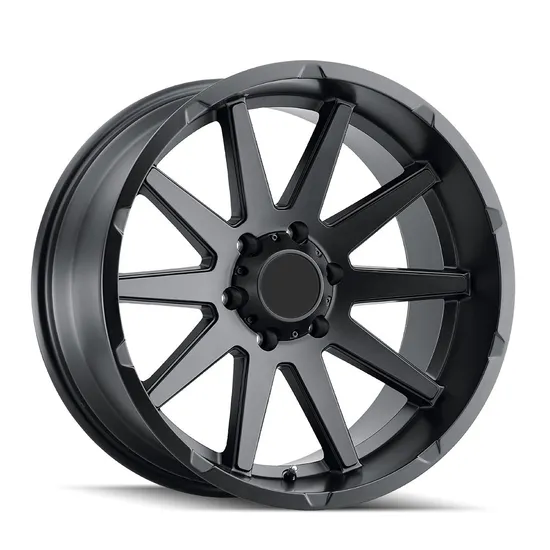 01
WHEEL RIM/HUB
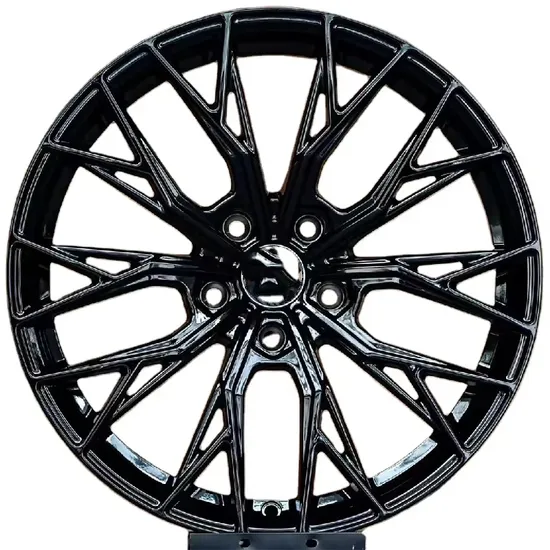
20-Inch Heavy-Duty Truck Wheels Reinforced Matte Black
Product IntroductionHeavy-Duty 20-Inch Truck Wheels with Reinforced Structure and Matte Black Finish, featuring high-quality aluminum construction and three-section variable diameter…
View Specifications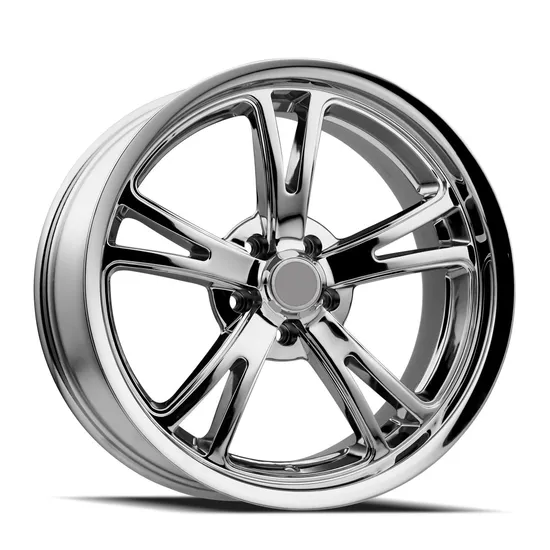 02
WHEEL RIM/HUB
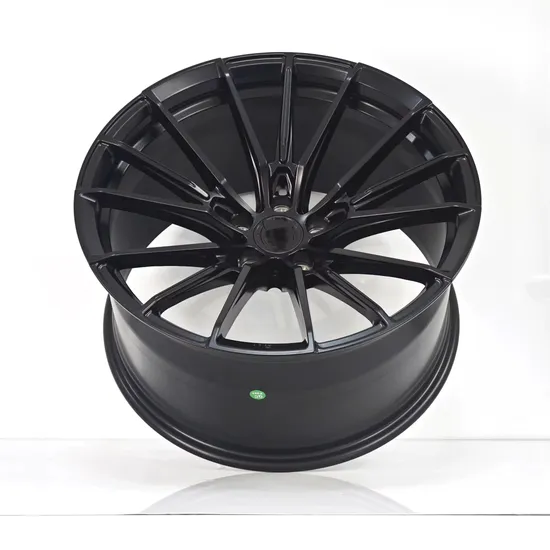
22-Inch 6X139.7 Et25 Heavy-Duty Off-Road Truck Wheel Hub
Product IntroductionThis Heavy-Duty 22-Inch Truck Wheel Hub, model OYT212, is designed for off-road use with 6X139.7 PCD and ET25. Made…
View Specifications 03
WHEEL RIM/HUB
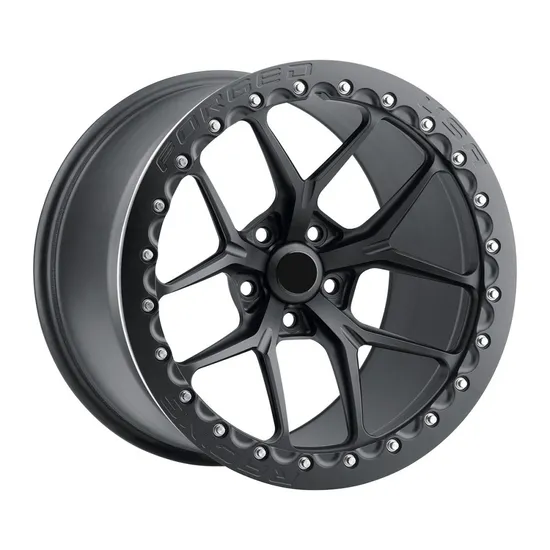
18-22 Inch Racing Wheel Oy17088 for Car Manufacturing
Product IntroductionHigh-performance 16-20 inch carbon fiber racing wheel rim with chrome finishing, ideal for car manufacturing. Features customizable ET, PCD,…
View Specifications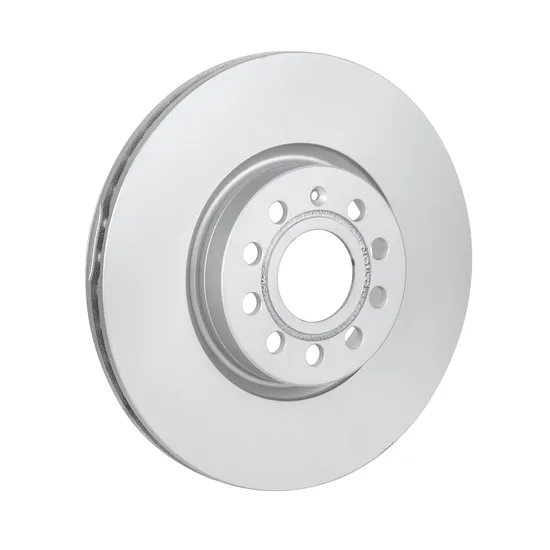 04
BRAKE DISC/DRUM
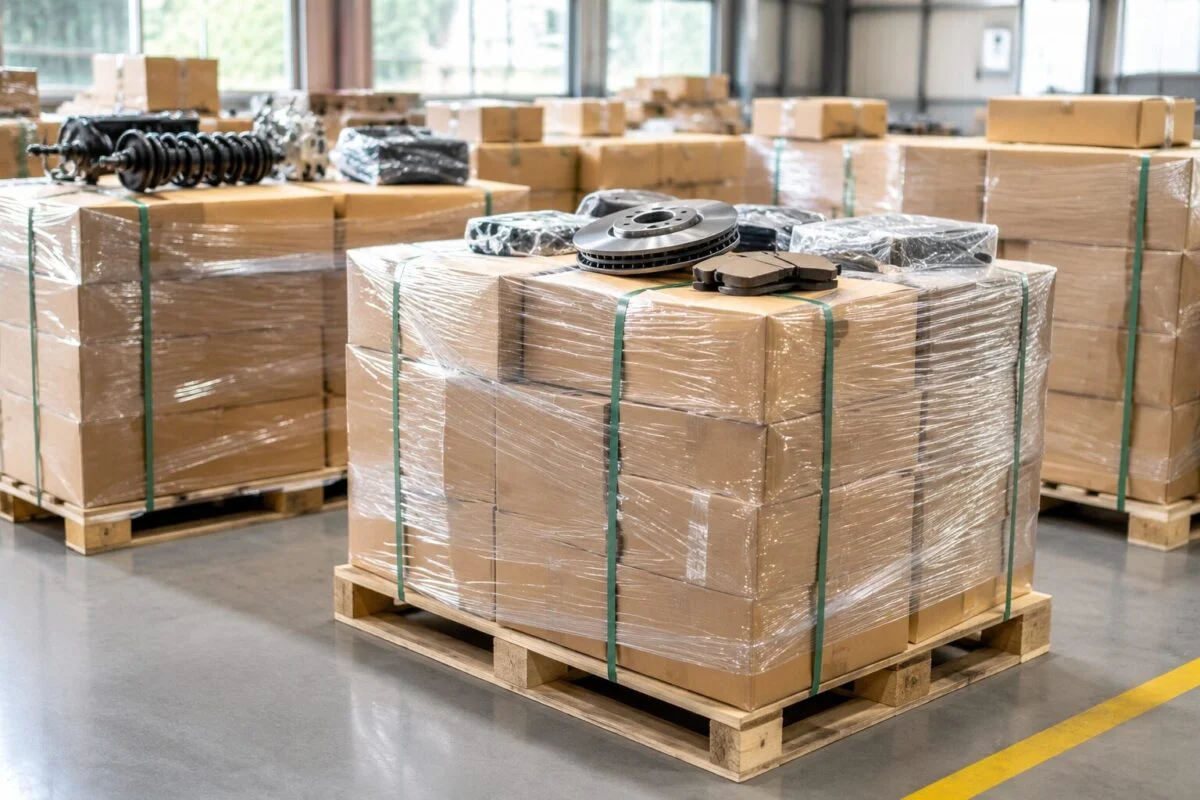
China OEM Brake Rotor Disc Pad Front Rear Auto Parts Hot Sale
Product IntroductionHigh-quality brake rotor disc for cars, manufactured by Chinese OEM factory with ISO14001, IATF-16949, ISO9001 certifications. Hot sale auto…
View Specifications