OEM Brake Noise Root Cause Checks: Inspection & Documentation Guide
Dimensional perfection means absolutely nothing if the assembly screams at sixty miles per hour.
Eliminating brake noise requires systematic brake noise root cause checks spanning from caliper clearance to hub flange runout, paired with rigorous dynamic testing documentation to prevent catastrophic batch rejections and container returns.
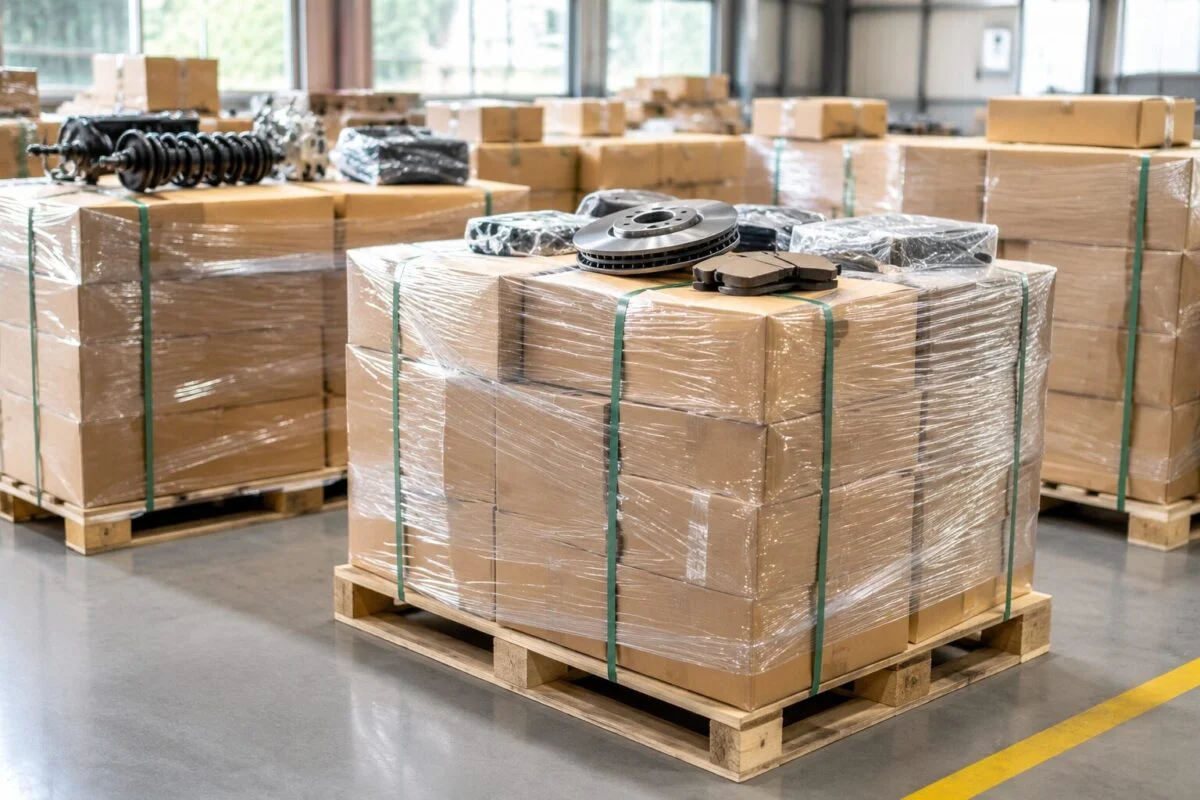
Years ago, while sourcing auto parts in Jakarta, I faced a nightmare that still haunts my sleep. A full container of alloy wheels and braking components was rejected and shipped back because the vehicles emitted unbearable squealing noises the moment they hit the road. The factory inspection report proudly declared all dimensional specs were within tolerance, but it completely lacked dynamic noise testing data. That single oversight cost a mid-six-figure loss and ruined a quarterly target. Since then, I have realized that buyers only truly understand the agony of noise complaints when they are staring at a returned container. Now, when discussing OEM brake noise root cause checks, I always start with that disastrous return and break down the exact methodology to trace the issue from the caliper gaps to the wheel hub mating surfaces, ensuring the paperwork is bulletproof.
Let us dismantle the hidden culprits behind brake squeal and build an inspection protocol that actually secures OEM approvals.
Why Do Brake Noise Complaints Trigger Container Returns?
Missing noise test data in factory inspection reports is the primary driver of batch rejections, not just physical defects.
Many buyers assume that if the brake pads and rotors pass the caliper test, the system will be quiet. This is a fatal misconception. The majority of container returns stem from a disconnect between static dimensional checks and dynamic acoustic performance. When a shipment arrives and the local assembly line discovers resonance issues, the entire batch is often flagged. According to industry association brake guidelines, a significant portion of warranty claims related to braking systems originates from assembly mismatches rather than material failures [NEED_CITE: warranty claim distribution per international automotive testing standards].
I recall a Southeast Asian distributor who received a massive order. The parts looked flawless. However, during the final vehicle dyno testing, a high-frequency squeal appeared. The supplier had only provided static dimensional certificates. Because the brake noise root cause checks were never documented dynamically, the buyer had no leverage to claim partial warranties and had to absorb the replacement costs.
To avoid this, buyers must demand comprehensive brake squeal inspection guide protocols that include acoustic data. If the documentation only lists thickness and diameter, it is essentially worthless for noise prevention. The transition from static to dynamic validation is where most suppliers fail, and where smart buyers draw the line.
How to Check Caliper Clearance to Prevent Squeal?
Precise gap measurement between the caliper piston, brake pads, and mounting brackets eliminates the high-frequency vibrations that cause squeal.
When executing brake noise root cause checks, the caliper assembly is the first critical zone. Squeal is often born from microscopic movements within the caliper carrier. If the clearance is too loose, the pad vibrates against the rotor; if it is too tight, it drags and generates heat-induced noise.
Here is the systematic approach to inspecting caliper clearance:
- Measure Pad Retaining Spring Tension: Verify that the anti-rattle clips and retaining springs are applying the correct preload. A loose spring allows the pad to shift during initial brake application, creating a chirp or squeal.
- Check Caliper Bracket Slide Pin Clearance: The slide pins must move freely but without excessive lateral play. Use a dial indicator to measure the lateral movement of the caliper body relative to the bracket. Any play beyond the standard tolerance will introduce structural resonance.
- Inspect Piston Boot and Seal Seating: Ensure the piston seal is fully seated in its groove. An improperly seated seal can cause the piston to retract unevenly, leading to uneven pad-to-rotor contact and subsequent noise.
- Verify Shim Adhesion and Damping: If the pads utilize noise-damping shims, check the adhesive integrity. The shim must act as a mass-spring damper to absorb vibrational energy.
During a wheel hub brake noise troubleshooting session for a Middle East fleet operator, we discovered that the caliper brackets had excessive play due to worn guide pins. The dimensions of the pins were technically within the broad manufacturing tolerance, but the dynamic clearance caused a harmonic frequency that matched the rotor’s natural resonance. By tightening the slide pin fitment and updating the inspection criteria, the squeal vanished. Proper brake noise root cause checks must always account for these dynamic clearances, not just the static width of the components.
What is the Role of Hub Flange Runout in Brake Noise?
Imperfect mating surfaces between the wheel hub and the brake rotor generate lateral runout, leading to severe pad knockback and resonance noise.
Most think brake pads cause all noise; truly, hub flange runout and caliper alignment are hidden culprits. When performing brake noise root cause checks, the interface between the wheel hub flange and the rotor hat is often ignored until it is too late. If the hub flange is not perfectly perpendicular to the axis of rotation, the rotor will wobble slightly as it spins. This lateral runout forces the brake pads to constantly retract and re-engage, a phenomenon known as pad knockback.
The consequences of ignoring hub runout are severe:
- High-Frequency Squeal: The constant micro-impacts between the pad and the wobbling rotor excite the pad’s natural frequency.
- Premature Wear: Uneven contact patterns destroy the friction material prematurely.
- Rotor Thickness Variation (DTV): The wobbling rotor wears unevenly, creating high and low spots that cause pedal pulsation and groaning noises.
To properly conduct wheel hub brake noise troubleshooting, you must measure the lateral runout of the hub flange itself before even mounting the rotor. A dial indicator mounted on a rigid magnetic base should be used to sweep the machined mating surface of the hub. Any debris, rust, or machining burrs on this surface will artificially inflate the runout reading.
I once reviewed an OEM brake noise documentation file where the rotors were blamed for noise. However, a deep dive into the assembly process revealed that the hub flanges had accumulated microscopic rust particles during ocean transit. Because the supplier did not include a mandatory hub cleaning and runout verification step in their OEM brake noise documentation, the rotors were forced to mount at an angle. Implementing a strict cleaning protocol and runout check at the assembly line resolved the issue instantly. The hub flange is the foundation; if the foundation is skewed, the entire braking system will sing.
How to Build a Bulletproof Inspection Documentation Guide?
Comprehensive checklists combining dimensional verification and dynamic noise testing secure OEM approvals and prevent batch rejections.
You can perform the best brake noise root cause checks in the world, but if the OEM brake noise documentation does not reflect them, the buyer remains at risk. A bulletproof documentation guide must bridge the gap between the factory floor and the buyer’s quality assurance team. It must prove that the parts will not just fit, but will perform quietly under real-world conditions.
To build this guide, follow these steps:
- Integrate Dynamic Dyno Testing Reports: Static measurements are insufficient. The documentation must include trace files from inertia dynamometer testing, showing the acoustic data across various temperature and pressure cycles. This proves the friction material formulation is stable.
- Include Hub and Rotor Runout Certificates: Every batch should be accompanied by a statistical summary of the lateral runout measurements taken at the hub mating surface. This provides verifiable proof that the foundation is true.
- Document Caliper Clearance and Slide Pin Torque Specs: The assembly instructions and inspection records must explicitly state the torque values for guide pins and the measured clearance ranges for the pad retention systems.
- Provide Material Traceability and Damping Shim Specs: Include the specific part numbers and material certifications for any noise-damping shims or lubricants used on the pad backs.
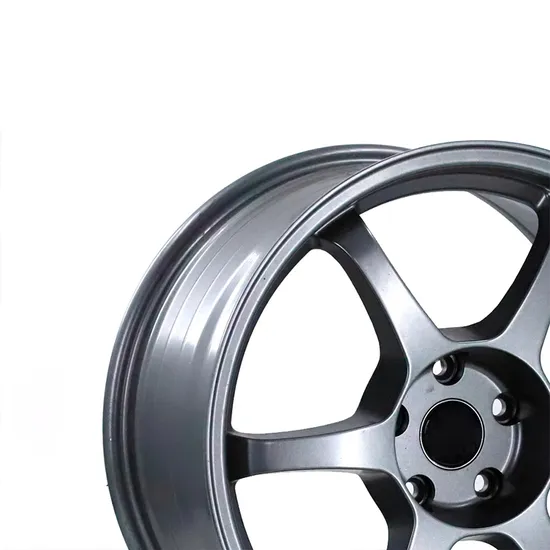
When sourcing alloy wheels and wheel accessories like hub caps and lug nuts, the same principle applies. Perfect mating surfaces and strict runout controls on the wheel hub are essential to ensure the brake rotor sits true. A supplier that provides complete customs and inspection documentation, detailing these precise acoustic and dimensional checks, transforms from a mere parts vendor into a risk-mitigation partner.
I have seen buyers switch suppliers simply because the new vendor provided a transparent, multi-page OEM brake noise documentation package that detailed every step of the brake squeal inspection guide. They were willing to pay a premium for the peace of mind that came with knowing the brake noise root cause checks were rigorously documented and verifiable.
Conclusion
Brake noise is a symptom of systemic assembly and documentation failures, not just a material flaw.
Mastering brake noise root cause checks requires looking beyond the friction material to inspect caliper clearances and hub flange runout with microscopic precision. By demanding rigorous dynamic testing and comprehensive OEM brake noise documentation, buyers can eliminate the hidden culprits of resonance and ensure every container arrives ready for the road, not the return ship.
Parts mentioned
Products in this article
Each part below is supplied source-direct by Jinan Yoker, matched by OE number and checked through full-process inspection.
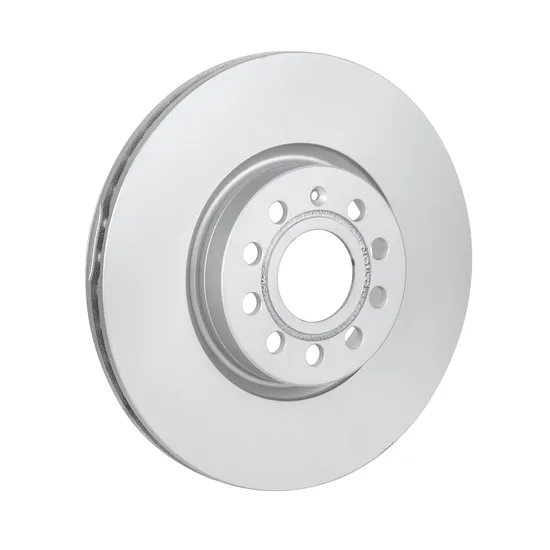 01
BRAKE DISC/DRUM
China OEM Disco de Rotor de Freno Pastilla Delantera Trasera Piezas de Automóvil Venta Caliente
Product IntroductionHigh-quality brake rotor disc for cars, manufactured by Chinese OEM factory with ISO14001, IATF-16949, ISO9001 certifications. Hot sale auto…
View Specifications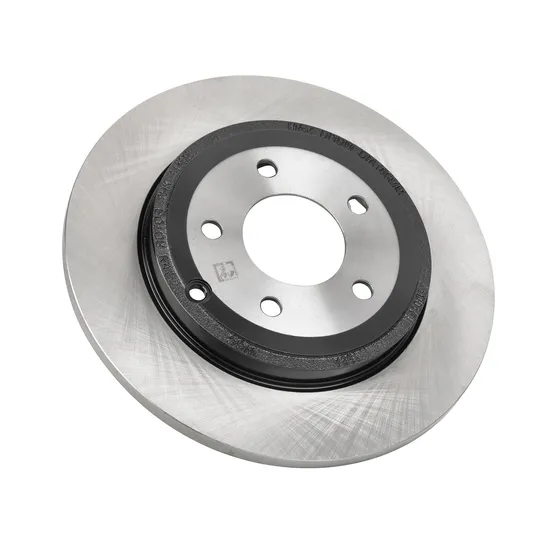 02
BRAKE DISC/DRUM
2026 China OEM Disco de Rotor de Freno Pastilla Delantera Trasera Serie de Automóviles
Product IntroductionHigh-quality front brake disc made of iron, certified by ISO14001, IATF-16949, and ISO9001. Ideal for auto wholesale, with a…
View Specifications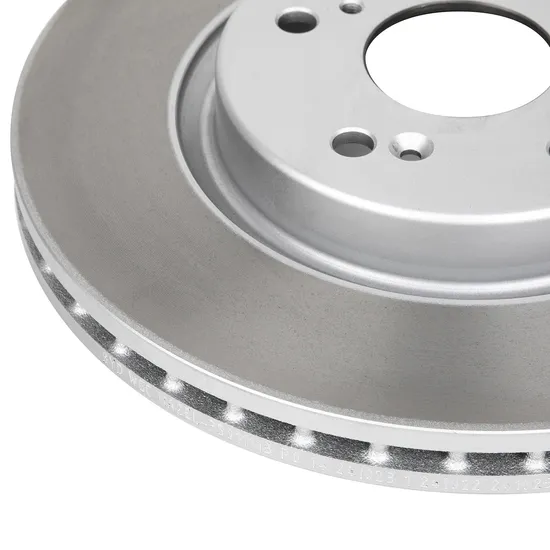 03
BRAKE DISC/DRUM
China OEM Disco de Rotor de Freno Pastilla Delantera Trasera Piezas de Automóvil al por mayor
Product IntroductionChina-manufactured front brake rotor disc (Model BD002) with iron material, certified by ISO14001, IATF-16949, and ISO9001. Ideal for global…
View Specifications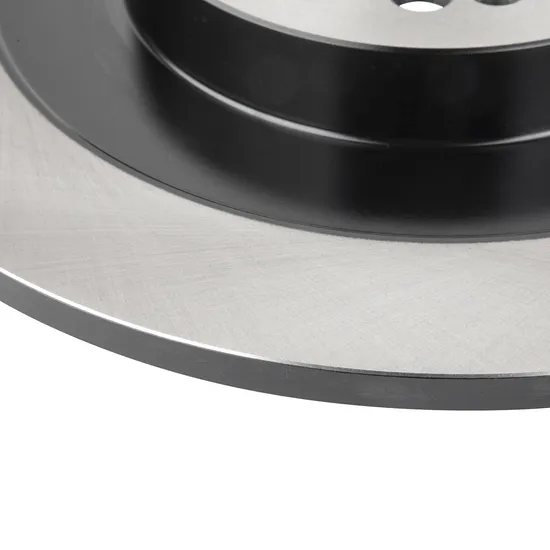 04
BRAKE DISC/DRUM
Precio de venta al por mayor de pastillas de freno y discos de rotor delanteros y traseros OEM de China en oferta caliente
Product IntroductionChina OEM front brake disc made of iron, certified by ISO14001, IATF-16949, ISO9001. Hot sale for global markets with…
View Specifications