How to Specify Requirements for Custom Wheel and Tuning Shops
Getting the bolt pattern and overall diameter right is merely the baseline; ignoring the deeper geometric parameters is the fastest way to turn a premium wheel order into a warehouse liability.
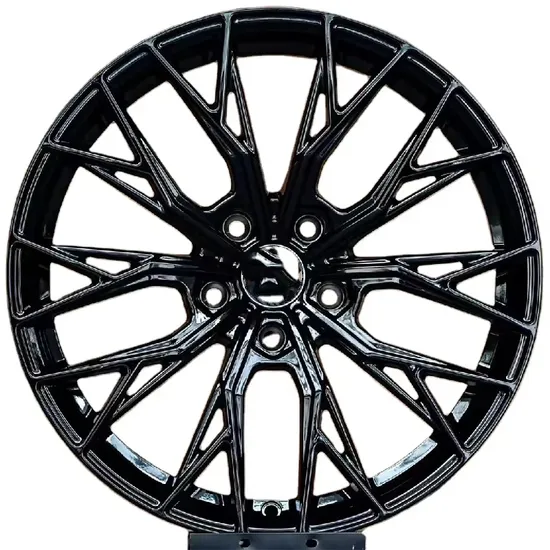
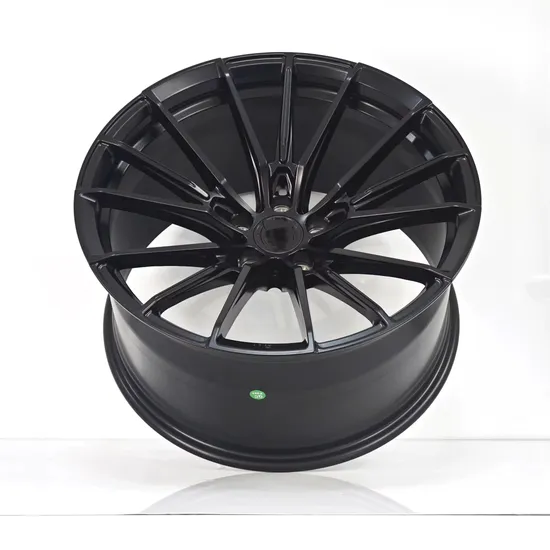
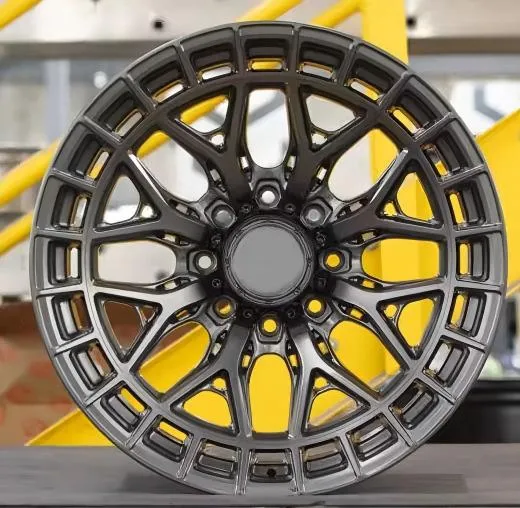
To specify custom wheel specifications correctly, tuning shops must move beyond basic PCD and diameter measurements to rigorously define the ET offset, brake caliper clearance, load index, and center bore tolerances, ensuring the wheels integrate flawlessly with the vehicle’s suspension geometry and dynamic load requirements.
I spent years crawling under lifted SUVs in Johannesburg and Lagos to sort out warranty claims before moving to the sales desk. The memory still stings from a large forged rim order for a Sandton tuning shop. We nailed the finish and load rating, but skipped verifying the exact ET offset and brake caliper clearance. The rims rubbed the struts on full lock, and the shop refused to pay the balance. That whole container sat in their warehouse gathering dust [NEED_CITE: suspension geometry interference patterns in modified vehicles]. Now, when I spec out custom wheels, I never just look at PCD and diameter. I drill down into load index, center bore, and suspension geometry first.
Understanding these hidden variables is the only way to transition from guessing fitments to engineering them.
Why PCD and Diameter Are Not Enough for Custom Wheels?
Relying solely on bolt patterns and overall diameters creates a false sense of security, as these basic metrics completely ignore the spatial relationship between the wheel face and the suspension components.
The trend in the aftermarket industry over the past decade has shifted heavily toward aggressive fitments, with wider tracks and larger diameters becoming the standard for visual impact. However, this visual evolution has outpaced the technical rigor applied during the ordering phase [NEED_CITE: evolution of aftermarket wheel fitment trends and failure rates]. Many shop owners assume that if a wheel physically bolts onto the hub and clears the fender at static ride height, the job is done. This assumption is fundamentally flawed.
I recall a specific case involving a wide-body改装 project where the client focused entirely on the aesthetic appeal of a deep concave design. The PCD matched perfectly, and the diameter filled the fender wells beautifully. Yet, once the vehicle was subjected to real-world driving conditions, the custom spacers paired with the incorrect wheel geometry caused severe steering radius limitations and unpredictable handling characteristics. The physical interference was not visible until the suspension was fully compressed and the steering was at full lock.
The insight here is clear: static fitment is an illusion. True compatibility requires evaluating how the wheel interacts with the suspension architecture throughout its entire range of motion.
How to Calculate ET Offset and Brake Caliper Clearance?
Precise calculation of the ET offset and brake caliper clearance is the absolute prerequisite for preventing physical interference, as these parameters dictate the exact spatial positioning of the wheel relative to the strut and the braking system.
Historically, offset calculations were often treated as an afterthought, with shops relying on trial and error or generic online fitment guides. Today, the complexity of modern multi-piston brake kits and adjustable coilover setups demands exact mathematical verification before any metal is cast [NEED_CITE: engineering standards for calculating wheel offset and brake clearance].
During a project involving a fleet of performance sedans, we encountered a situation where the selected wheels looked perfect on the digital configurator. However, when we mapped the exact ET offset against the physical dimensions of the upgraded six-piston calipers, we realized the inner barrel would collide with the caliper body. By adjusting the offset and utilizing a slightly different spoke design, we created the necessary clearance without compromising the structural integrity of the wheel.
The takeaway is that offset is not just about how the wheel sits in the fender; it is a critical safety parameter that ensures the rotating assembly clears the stationary braking and suspension components under all operating conditions.
What Role Do Load Index and Center Bore Play in Tuning?
The load index and center bore precision directly dictate the chassis longevity and operational safety of a modified vehicle, especially under the increased stresses of heavy-duty or off-road applications.
In the early days of my career, the center bore was often viewed merely as a hub-centric convenience to prevent vibration. Similarly, load ratings were frequently overlooked in favor of aesthetic preferences. The industry has since recognized that these factors are critical structural determinants [NEED_CITE: impact of load index and hub centricity on bearing lifespan in modified vehicles].
I dealt with a series of warranty claims involving lifted SUVs used in demanding environments. The shop had installed beautifully styled wheels that matched the vehicle’s PCD and offset. However, they failed to verify that the load index of the wheels matched the increased dynamic weight of the lifted setup and the heavy cargo typically carried. Within a few months, the wheel bearings began to fail prematurely due to the excessive lateral and vertical loads. Furthermore, the center bore tolerance was slightly off, requiring the use of cheap plastic adapter rings that degraded under heat and stress, leading to severe vibrations at highway speeds.
The lesson learned is that a wheel is a structural component, not just a cosmetic accessory. Ignoring load capacities and hub-centric precision invites catastrophic mechanical failures.
How to Build a Bulletproof Spec Sheet for Your Wheel Supplier?
Building a comprehensive specification sheet that integrates suspension geometry and dynamic load data is the most effective strategy to eliminate communication errors, reduce scrap rates, and ensure perfect first-time fitment.
The traditional approach of sending a simple drawing with PCD and diameter to a manufacturer is obsolete. Modern tuning shops must adopt a holistic engineering approach when communicating with their production partners [NEED_CITE: best practices for creating comprehensive wheel specification sheets for custom manufacturing].
When I transitioned to the sales side, I realized that the root cause of most production errors was incomplete data. To solve this, we developed a standardized spec sheet that forces the buyer to define every critical parameter, including the exact ET offset, required brake clearance profiles, specific load index requirements, and center bore tolerances. As a specialized manufacturer operating under the Ouya trademark with full OEM/ODM customization capabilities, we use this detailed data to verify every dimension against international standards like VIA, TÜV, and DOT before production begins. By collaborating closely with tuning shops from the blueprint stage, we ensure that complex parameters are validated early. With a flexible minimum order quantity starting at just one hundred pieces for custom designs and a robust three-year structural warranty, we provide the technical backing needed to turn precise specifications into flawless, street-ready products.
The ultimate goal is to transform the ordering process from a guessing game into a precise engineering discipline, ensuring that every wheel delivered meets the exacting demands of modern vehicle modification.
Conclusion
Specifying custom wheels requires a meticulous focus on offset, clearance, load capacity, and hub precision to guarantee both aesthetic perfection and mechanical safety. By elevating the specification process beyond basic dimensions, tuning shops can avoid costly fitment disasters and deliver reliable, high-performance solutions to their clients.
Applications covered in this article
Parts mentioned
Products in this article
Each part below is supplied source-direct by Jinan Yoker, matched by OE number and checked through full-process inspection.
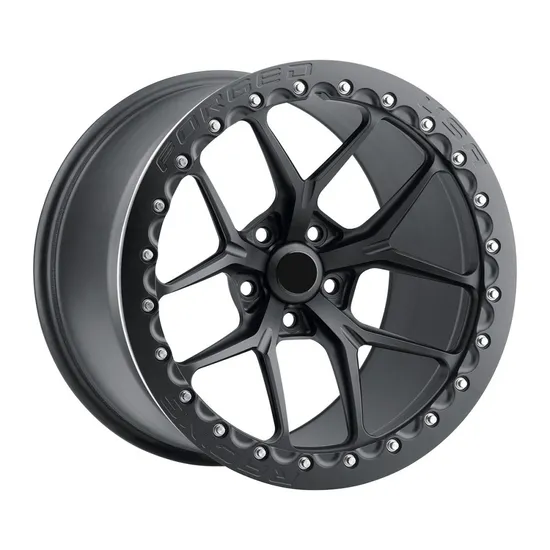 01
WHEEL RIM/HUB
Llantas personalizadas Golden Wheels 20*8,0 y 20*10 forjadas de alto rendimiento
Product IntroductionGolden Wheels High Performance Custom Forged Wheels, available in 20*8.0 and 20*10 Inch, feature a Three Section Variable Diameter…
View Specifications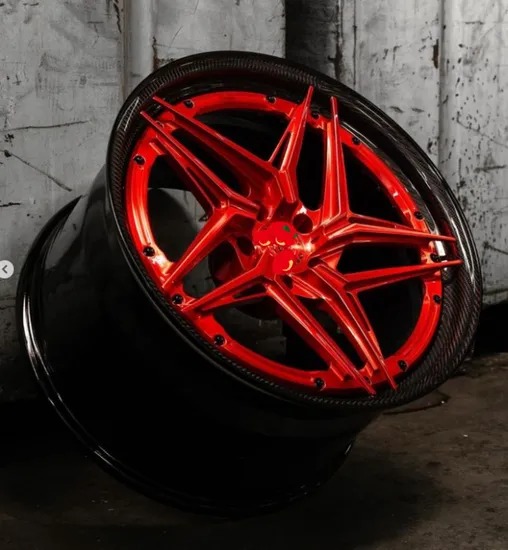 02
WHEEL RIM/HUB
Llanta forjada de 2 piezas, llanta personalizada
Product IntroductionCustom forged 2-piece alloy wheel hub with chrome finishing, suitable for 4WD vehicles. Features equal diameter spokes and multiple…
View Specifications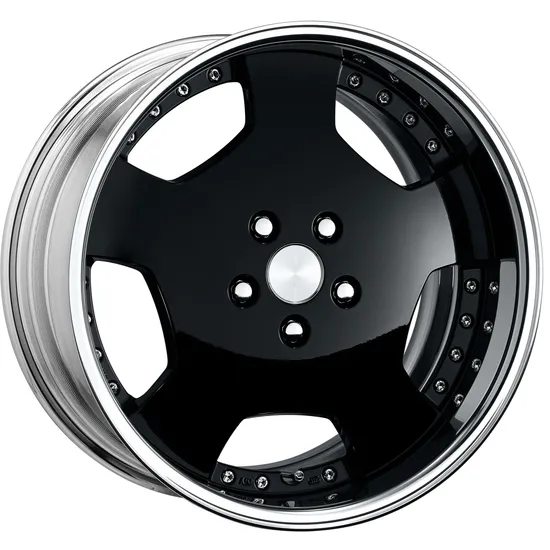 03
WHEEL RIM/HUB
16-19 Inch 2-Piece Custom Wheel 5X120/114.3/112 PCD Et35/45
Product IntroductionCustom two-piece wheels for car modifications, available in 16-19 inch sizes with 5X120/5X114.3/5X112 PCD and ET35/ET45 offsets. Made of…
View Specifications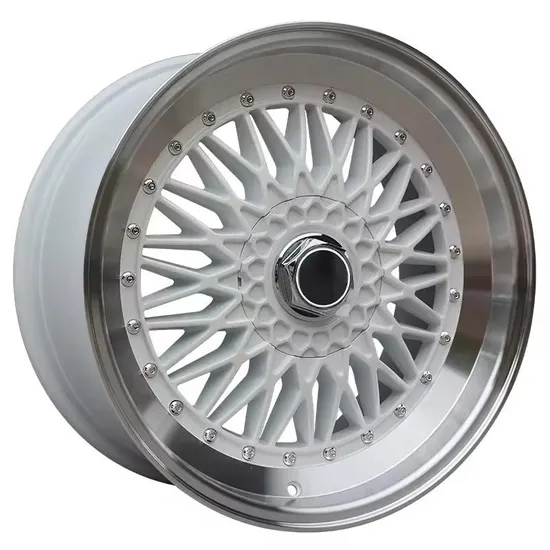 04
WHEEL RIM/HUB
15-22inch Spoke Alloy Rims High Performance Custom Wheels
Product IntroductionHigh quality performance custom alloy wheels with customizable size (12-24 inch), spoke type (Equal Diameter Spoke), and finishing. Made…
View Specifications