Wheel Rims Price in Brazil: 2026 Wholesale Supplier Guide
The cheapest wheel rims price in Brazil per piece is almost never the real cost you end up paying.
Wheel rims price in Brazil for 2026 is shaped by four pillars: rim diameter and width, surface finish complexity, INMETRO certification compliance, and import duty structure. When buyers focus only on the unit price quoted on a proforma invoice, they routinely discover that landing costs in Santos or Paranaguá run substantially higher due to certification gaps, customs hold-ups, and warehouse demurrage. Understanding how each pillar contributes to the final landed cost is what separates profitable importers from those who absorb unexpected losses shipment after shipment.
I still remember a container of 20-inch matte gunmetal rims sitting at Santos port for weeks because the paperwork did not match INMETRO requirements. The buyer, a modification shop in São Paulo, watched storage fees climb while the cargo could not clear. That single shipment taught me more about wheel rims price in Brazil than any price list ever could. The per-piece quote looked attractive, but the real cost included certification rework, port storage, and a strained client relationship. [NEED_CITE: INMETRO certification requirements for alloy wheels in Brazil]
Let me walk you through what actually moves the needle on pricing, how certification reshapes your budget, what size and finish combinations cost, and how to evaluate suppliers against local alternatives.
What Factors Determine Wheel Rims Price in Brazil?
Four variables control the wheel rims price in Brazil: diameter and width, surface treatment method, certification scope, and the tariff classification applied at customs.
Getting these four wrong in your planning stage means your landed cost will surprise you at the port. Here is how each factor behaves in practice.
Diameter and width drive the base material and machining cost. A 15-inch rim uses noticeably less aluminum alloy than an 18-inch rim, and the flow-forming or low-pressure casting cycle takes less time. Wider rims require more raw material and longer machining passes. The price gap between the smallest and largest passenger car sizes is substantial, not marginal.
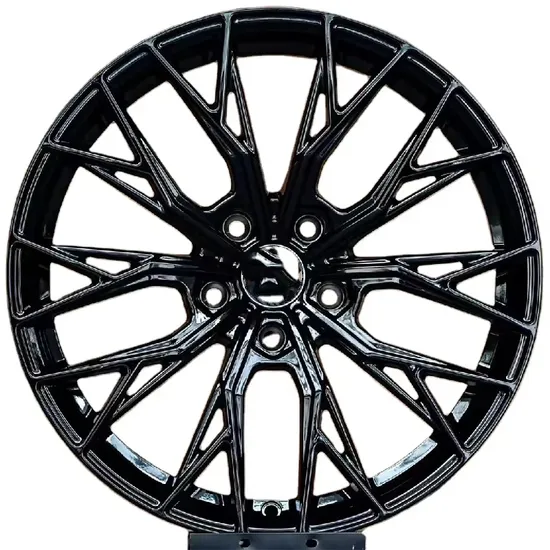
Surface treatment adds layers of cost that many first-time importers underestimate. A standard painted finish sits at the lowest cost tier. Machined face with clear coat requires a secondary CNC pass. Chrome plating involves multiple chemical baths and environmental compliance steps that raise the per-piece cost meaningfully. Matte gunmetal and hyper silver fall between these extremes, with gunmetal being one of the most requested finishes in the Brazilian aftermarket. [NEED_CITE: surface treatment cost hierarchy for alloy wheel manufacturing]
Certification scope determines whether your cargo moves through customs or sits in a bonded warehouse. Brazil requires INMETRO compliance for alloy wheels sold in the aftermarket. The certification itself carries a fixed cost per model, but when spread across a full container, the per-piece impact becomes modest. The real financial risk is non-compliance: a container held at port generates demurrage charges that can dwarf the certification fee.
Tariff classification under the Mercosur Common Nomenclature sets the import duty rate. Alloy wheels fall under a specific NCM code, and the duty percentage applies to the CIF value. Add the IPI, PIS, and COFINS federal taxes on top, and the gap between FOB price and landed price widens considerably. [NEED_CITE: Mercosur NCM code and tax structure for alloy wheel imports]
| Factor | Low-Cost Tier | Mid-Cost Tier | High-Cost Tier |
|---|---|---|---|
| Diameter | 15-16 inch | 17-18 inch | 19-24 inch |
| Finish | Solid paint | Machined face, matte gunmetal | Chrome, full custom color |
| Certification | None or incomplete | INMETRO pending | INMETRO certified with full documentation |
| Duty Exposure | Misclassified NCM | Standard classification | Pre-verified with customs broker |
A tire retailer in Rio de Janeiro once reordered a batch of 15-17-inch popular fitments for Toyota and Hyundai applications. Because the sizes were mainstream and the finish was standard gloss black, the unit price stayed stable across orders. The predictability of wheel rims price in Brazil for these specifications made inventory planning straightforward, and stock turned over quickly. That is the sweet spot for retailers who need reliable restocking on best-sellers.
How Does INMETRO Certification Impact Total Cost?
INMETRO certification adds a fixed upfront cost per wheel model, but skipping it risks port delays that cost multiples of the certification fee.
Brazil’s national metrology body requires alloy wheels to meet specific structural and dimensional standards before they can be sold domestically. The process involves submitting technical documentation, sample testing at an accredited laboratory, and obtaining an approval certificate tied to the specific rim design. [NEED_CITE: INMETRO ordinance governing alloy wheel certification in Brazil]
Here is what the cost structure actually looks like when you break it down.
The certification fee is charged per model, not per piece. For a supplier running a full container of mixed sizes, that fixed cost distributes across thousands of units. The per-piece addition becomes small. However, if you order a single model in low volume, the per-piece certification burden rises noticeably.
The timeline matters just as much as the fee. Preparing test samples, running the laboratory process, and receiving the certificate takes weeks. If a buyer places an order without confirming that the supplier already holds valid INMETRO certification for the exact model and size, the cargo can arrive in Brazil and still cannot clear customs.
I have seen this play out more than once. A buyer in Minas Gerais ordered a mixed container of custom rims. The supplier had INMETRO coverage for some sizes but not all. The partial compliance meant the entire container was flagged. Warehouse storage fees accumulated daily. The buyer eventually paid for expedited certification rework and absorbed weeks of demurrage. The total extra cost represented a significant percentage of the original invoice value. [NEED_CITE: port demurrage cost impact on non-compliant wheel imports in Brazil]
| Certification Status | Per-Piece Cost Impact | Clearance Risk | Timeline Risk |
|---|---|---|---|
| No certification | Lowest unit quote | Extremely high | Shipment may be blocked |
| Certification in progress | Moderate | High if cargo arrives before approval | Weeks of delay possible |
| Full INMETRO certified | Slightly higher unit cost | Minimal | Smooth clearance with proper documentation |
The lesson is straightforward: when you evaluate wheel rims price in Brazil, the certification cost must be included in your landed cost model from day one. A supplier who quotes a low price but cannot provide proof of current INMETRO certification for your exact specifications is offering a false economy.
Working with a manufacturer that already holds INMETRO certification across a broad size range eliminates this variable entirely. Jinan Yoker Auto Parts, for instance, maintains INMETRO documentation for multiple rim designs across the 12 to 24-inch range, which means buyers importing into Brazil can proceed with confidence that the paperwork will match the cargo.
What Are the Price Ranges by Wheel Size and Finish?
The wheel rims price in Brazil clusters into three clear bands: mainstream sizes with standard finishes offer the most stable pricing, large diameters and complex finishes carry visible premiums, and custom one-off designs command the highest tier.
Understanding where your target market sits within these bands determines whether your procurement strategy focuses on volume efficiency or margin protection.
Mainstream sizes (15-17 inch) with standard finishes represent the highest-volume segment in Brazil. These fitments cover the majority of popular passenger vehicles from Toyota, Honda, Hyundai, Nissan, and Chevrolet. The manufacturing processes for these sizes are mature, the tooling costs are amortized across large production runs, and the finish options—gloss black, silver, basic machined face—are straightforward to execute. Price stability is the defining characteristic here. Buyers who reorder these specifications regularly can lock in predictable costs.
Mid-range sizes (18-19 inch) with upgraded finishes occupy a growing segment driven by the modification market. Deep concave designs, mesh patterns, and multi-spoke configurations in matte gunmetal or hyper silver attract enthusiasts willing to pay a premium. The manufacturing complexity increases: deeper concavity requires more sophisticated casting or forging, and finishes like gunmetal involve additional coating steps. The wheel rims price in Brazil for this tier sits noticeably above mainstream but remains accessible for modification shops that rotate inventory quickly.
Large sizes (20-24 inch) with premium finishes serve the luxury and performance segment. Chrome plating on a 22-inch rim involves substantial material and chemical costs. The structural requirements for larger diameters also mean heavier rims, which increases both material input and shipping weight. Buyers targeting this segment need to position their retail pricing accordingly.
| Size Range | Typical Finish Options | Price Positioning | Target Buyer |
|---|---|---|---|
| 15-17 inch | Gloss black, silver, basic machined | Most stable, volume-driven | Tire retailers, parts stores, 4S dealerships |
| 18-19 inch | Matte gunmetal, hyper silver, machined face | Moderate premium | Modification shops, tuning studios |
| 20-24 inch | Chrome, deep concave custom, full paint | Highest tier | Luxury aftermarket, performance buyers |
A modification shop in Curitiba specialized in 20-inch staggered fitments for SUVs. Their wheel rims price in Brazil procurement included gunmetal and machined face combinations. Because they ordered in container-load quantities and maintained a focused SKU list, the per-piece cost stayed within a manageable range. The key was consistency: repeating the same specifications allowed the manufacturer to optimize production scheduling and keep pricing stable across orders.
How to Compare China vs. Local Brazil Suppliers?
Factory-direct sourcing from China delivers a substantial per-piece cost advantage over local Brazilian distributors, but only when the supplier handles certification documentation and logistics coordination end to end.
Many buyers assume that sourcing locally eliminates import complexity. That assumption deserves scrutiny.
Local Brazilian distributors typically source from the same overseas manufacturers and add their margin, warehousing cost, and import handling fee on top. The wheel rims price in Brazil quoted by a local distributor therefore includes multiple layers of markup. When a buyer imports directly from a Chinese factory with the right documentation in place, those layers disappear.
The cost gap is significant. Factory-direct pricing from established Chinese manufacturers routinely sits well below what local distributors charge for comparable specifications. Even after adding ocean freight, import duties, and certification costs, the landed price from direct import remains competitive.
But direct import only works when the supplier can provide complete documentation. INMETRO certificates, packing lists, commercial invoices, bills of lading, and certificates of origin must all align. A supplier who ships the rims but leaves the paperwork incomplete creates the exact port delay scenario I described earlier.
| Comparison Factor | Direct from China Factory | Local Brazil Distributor |
|---|---|---|
| Unit Price | Substantially lower | Includes multiple markup layers |
| Certification Support | Must verify INMETRO coverage | Typically handled by distributor |
| Minimum Order Quantity | Flexible for stock models, higher for custom | Usually lower per SKU |
| Lead Time | Ocean transit plus production | Shorter if stock available locally |
| Customization Depth | Full OEM/ODM capability | Limited to existing catalog |
| Documentation Completeness | Buyer must confirm before shipment | Distributor manages |
A wholesale buyer in Pernambuco compared quotes for a container of 17-inch alloy wheels in matte black. The local distributor’s per-piece price was considerably higher than the factory-direct quote from Jinan Yoker Auto Parts, even after factoring in freight and duties. The Yoker team provided INMETRO documentation for the requested models, confirmed the NCM classification with the buyer’s customs broker, and delivered within a standard production window. The total landed cost per piece came in well below the local option, and the buyer has since placed repeat orders.
The takeaway: when comparing wheel rims price in Brazil across sourcing channels, look beyond the per-piece quote. Map the full landed cost, confirm certification coverage, and verify that the supplier can support your documentation requirements before the cargo leaves the factory.
What Should Buyers Verify Before Placing Orders?
Before committing to a wheel rims price in Brazil quote, verify four areas: certification validity, minimum order policies, lead time commitments, and warranty terms. Missing any of these turns a good unit price into an expensive lesson.
Certification validity means confirming that the supplier holds current INMETRO certification for the exact model, size, and finish you are ordering. Ask for the certificate number and cross-check it. A certificate that covers a different size or an earlier design revision will not satisfy customs. [NEED_CITE: INMETRO certificate verification process for imported alloy wheels]
Minimum order quantity policies vary between stock models and custom designs. Some suppliers offer low MOQ for catalog items that are already tooled and in regular production. Custom designs with unique offsets, finishes, or branding require higher MOQ to justify the setup cost. Understanding where your order falls determines whether the quoted wheel rims price in Brazil is achievable at your volume.
Lead time commitments must account for production, quality inspection, ocean transit, and customs clearance. A supplier who quotes an aggressive production timeline but has no track record of meeting it will leave you with stock-outs. Ask for references from other Brazilian buyers who have received shipments on schedule.
Warranty terms protect you against structural defects. A supplier confident in their manufacturing process will stand behind their product with a clear warranty policy. This matters especially for modification shops whose reputation depends on the reliability of the rims they install.
| Verification Area | What to Request | Red Flag |
|---|---|---|
| Certification | INMETRO certificate matching exact model and size | Certificate for different size or expired date |
| MOQ Policy | Written MOQ for stock and custom separately | Unusually low MOQ for fully custom designs |
| Lead Time | Written timeline with production and transit phases | Vague promises without milestone dates |
| Warranty | Structural warranty terms in writing | No warranty or verbal-only commitment |
A buyer in Bahia received a wheel rims price in Brazil quote that appeared exceptionally low. Upon requesting the INMETRO certificate, the supplier could not provide one for the specific 19-inch model requested. The low price made sense: certification had never been obtained. The buyer switched to a supplier with verified certification and a slightly higher but fully compliant quote. The total landed cost, including smooth customs clearance, ended up lower than what the non-compliant option would have cost after port delays.
Conclusion
The real wheel rims price in Brazil is the landed cost after certification, duties, and logistics—not the per-piece number on a proforma invoice. Buyers who map all four cost pillars, confirm INMETRO compliance before ordering, and compare factory-direct sourcing against local distributor markups consistently achieve better margins and fewer supply chain disruptions. Verify certification, understand MOQ structures, and demand written lead time commitments before any container leaves the factory.
Applications covered in this article
Parts mentioned
Products in this article
Each part below is supplied source-direct by Jinan Yoker, matched by OE number and checked through full-process inspection.
 01
WHEEL RIM/HUB
15-17 Inch Forged Alloy Steel Wheel Rims Auto Parts
Product IntroductionThese forged aluminum alloy rims, model OY17002, feature a multi-spoke design with a matte black finish. Available in 15-17…
View Specifications 02
WHEEL RIM/HUB
High Quality 15-17 Inch 5X114.3 Hyper Black Car Alloy Wheel Rim
Product IntroductionHigh Quality Car Alloy Wheel, available in 15-17 Inch sizes with PCD 5X114.3, features a hyper black finish and…
View Specifications 03
WHEEL RIM/HUB
Golden Wheels 15-17inch Forged Custom Rims Vehicle Fit
Product IntroductionGolden Wheels Color Customized Rims, available in 15/16/17 inches, are forged aluminum wheel hubs suitable for various vehicle models.…
View Specifications 04
WHEEL RIM/HUB
15-17inch Hyundai Wheel Rim CB67.1/54.1-73.1 Passenger Car
Product IntroductionAluminum wheel rim suitable for 15-17inch passenger cars, compatible with Hyundai models. Features customizable size, finishing, color and style,…
View Specifications