Car Rims Price in Pakistan: 2026 Wholesale Buyer Guide
Most buyers assume rim size alone determines price. The truth is surface finish and certification paperwork move the per-piece landed cost far more than diameter ever will.
Car rims price in Pakistan in 2026 is shaped by three factors: rim diameter, surface treatment process, and import duty classification. A 17-inch painted rim and an 18-inch machined-face rim can land at nearly the same per-piece cost once freight and customs are added, while a non-certified batch may cost you double in returns and claims. Bulk orders of mixed 15–17 inch sizes typically bring per-piece cost down noticeably compared to retail, but only if you control salt-spray specs and documentation before the container leaves the port.
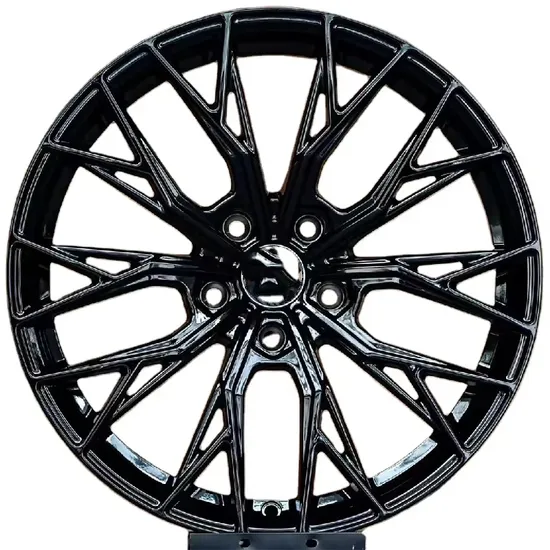
I still remember a shipment we sent to a modification shop in Lahore a while back. They ordered 17-inch multi-spoke rims in glossy black, then later asked for 18-inch machined-face units for an SUV lineup. The price gap between the two batches shocked them—not because of the inch difference, but because the machined-face finish required an extra CNC pass and a clear-coat curing cycle the black gloss did not. [NEED_CITE: surface treatment cost hierarchy in alloy wheel manufacturing] That conversation repeated itself with buyers across Karachi, Islamabad, and Faisalabad, and it is the single most misunderstood part of car rims price in Pakistan.
Let me walk you through what actually drives the numbers, where the hidden costs sit, and how importers and shops can protect their margins without gambling on quality.
What Determines Car Rims Price in Pakistan in 2026?
Three elements set the final per-piece price: diameter, surface finish, and certification tier. Brand markup matters far less than buyers think in the Pakistani aftermarket.
When a shop owner in Rawalpindi asks me why two 17-inch rims from different factories carry a wide gap, I pull up the spec sheet, not the logo. Diameter sets the base material weight and machining time. Surface finish determines how many extra production steps follow casting or flow-forming. Certification decides whether the wheel clears Pakistan Customs without documentation delays and whether the end user can claim warranty without eating the freight back.
Duty classification is another layer. Alloy wheels entering Pakistan fall under specific HS codes, and the applicable duty rate depends on declared material, intended vehicle class, and country of origin documentation. [NEED_CITE: Pakistan Customs alloy wheel HS code duty structure] Get the paperwork wrong, and the clearance agent holds the container at port while demurrage ticks.
Here is where experience matters more than any price list. A buyer who only compares FOB quotes will miss the landing cost entirely. I have seen importers celebrate a low per-piece FOB figure, only to discover the finish lacked adequate salt-spray endurance and half the batch showed corrosion within months. The replacement freight and customs on re-ship cost several times the original savings.
How Does Rim Size Affect Per-Piece Cost?
Fifteen to seventeen inches remain the volume core in Pakistan. Eighteen inches and above jump in unit cost but deliver wider retail margins.
The Pakistani passenger car and compact SUV fleet runs heavily on 15- and 16-inch rims, with 17-inch gaining ground in the modification segment. Every inch added increases raw material weight, machining cycle time, and packaging volume per piece. The cost curve is not linear—it steepens noticeably once you pass 17 inches because larger diameters require more careful handling, thicker clear-coat layers for edge protection, and slower CNC feed rates on machined faces.
| Diameter Range | Material Weight Trend | Machining Complexity | Retail Margin Potential |
|---|---|---|---|
| 12–15 inch | Lightest | Basic | Narrow |
| 16–17 inch | Moderate | Standard | Balanced |
| 18–20 inch | Heavier | Elevated | Wide |
| 21–24 inch | Heaviest | High | Highest but slower turnover |
A wholesale buyer in Karachi once loaded a 40-foot high-cube container with mixed 15- and 17-inch economy finishes. The per-piece landed cost came in substantially lower than any retail quote he had seen, but he nearly overstocked 15-inch SKUs because the local demand had shifted toward 16-inch on newer Suzuki and Toyota models. The lesson was not about size alone—it was about matching the size mix to actual vehicle registration trends. [NEED_CITE: Pakistan vehicle registration data by wheel size preference]
For modification shops, 18-inch machined-face and hyper silver units move slower per SKU but carry healthy per-piece margins. The trick is keeping MOQ manageable so capital does not sit idle on slow-rotating sizes.
Which Surface Finish Adds the Most Cost?
Machined face and hyper silver finishes cost noticeably more than standard painted gloss, but the retail premium they command is even larger.
This is the part most buyers get wrong. They assume a bigger rim costs more, when in reality a 16-inch machined-face rim can outprice a 17-inch gloss black unit from the same factory. The reason sits in the production line: machined face requires a precision CNC cut across the spoke surface after painting, followed by a clear-coat bake. Hyper silver involves a specialized PVD or powder layer that demands tighter humidity control in the curing chamber.
| Finish Type | Extra Production Steps | Salt-Spray Resistance | Retail Price Premium |
|---|---|---|---|
| Gloss / Matte Black | Minimal | Standard | Baseline |
| Bronze / Gunmetal | Moderate | Standard to Good | Moderate |
| Machined Face | Significant | Good | High |
| Hyper Silver | High | Good to Robust | Highest |
| Chrome Plating | Extensive | Vulnerable without proper sealing | Premium |
A dealership group in Islamabad spec’d JWL-certified rims with 96-hour salt-spray endurance for their SUV accessories counter. The per-piece price sat higher than the non-certified painted rims they had been buying, but their return rate stayed below a very low threshold. The non-certified batch they trialed earlier had corroded along spoke edges within a single monsoon season, and the warranty claims ate every rupee of the original discount. [NEED_CITE: salt-spray test duration standards JWL and TÜV for alloy wheels]
The takeaway for car rims price in Pakistan is straightforward: do not let the finish sticker shock push you toward cheap paint. The corrosion claim cost always finds you later.
What Hidden Costs Do Importers Face?
Customs duty miscalculation, salt-spray failure on arrival, and slow-moving size mix are the three silent margin killers.
Let me be direct. The FOB quote is the easiest number to compare and the least useful one to make a decision on. The real cost structure includes ocean freight, Pakistan Customs duty and supplementary charges, clearing agent fees, inland transport to your warehouse, and—most underestimated—potential re-export or disposal cost if the batch fails quality inspection at the buyer’s end.
A Middle East-based importer I worked with once accepted a batch based on photos alone, without requesting salt-spray test reports. When the container reached Karachi, humidity during the inland truck ride triggered early clear-coat softening on a portion of the machined-face units. The supplier refused a full replacement because the test spec had not been written into the purchase order. The importer absorbed the loss. [NEED_CITE: alloy wheel import quality dispute common causes]
Then there is the size-mix trap. A 40HQ loaded with too many niche sizes—say, a heavy concentration of 19- and 20-inch—may look attractive on a per-piece basis, but if the local market runs mostly on 15- and 16-inch, your warehouse becomes a graveyard. The carrying cost and eventual markdown erase the initial unit savings.
Documentation gaps are another quiet drain. Missing origin certificates, incomplete test reports, or mismatched invoice descriptions can delay clearance by days or weeks. Each day at port adds demurrage. I have seen clearance bills that nearly matched the original freight invoice.
How to Source Cost-Effective Rims Without Quality Risk?
Lock salt-spray specs, request batch-level test reports, and choose a factory with multi-certification coverage before you commit to a container.
The buyers who consistently get the best car rims price in Pakistan are not the ones who negotiate the lowest FOB. They are the ones who define the spec clearly upfront and verify it at every stage. Here is the approach that works.
First, confirm the surface treatment standard in writing. Specify whether you need 48-hour or 96-hour salt-spray endurance, and which test method applies. Do not accept “good quality” as a spec.
Second, request batch-level test reports, not just sample reports. A sample may pass; a full production batch under different curing conditions may not. [NEED_CITE: batch-level quality verification methods for alloy wheel imports]
Third, work with a manufacturer that holds multiple international certifications. TÜV, JWL, DOT, and VIA certifications are not just marketing badges—they mean the factory’s production process has been audited against recognized standards, and the documentation will clear customs without argument.
This is where a supplier like Ouya fits naturally into the picture. The production line covers 12- to 24-inch diameters across passenger, SUV, luxury, and commercial applications, with finishes spanning machined face, chrome, gloss and matte black, bronze, gunmetal, and hyper silver. TÜV, JWL, DOT, VIA, ISO, and CCC certifications are all in place, which means buyers in Pakistan can import under the correct documentation regardless of the vehicle class they serve. MOQ starts at a low threshold for stock models and scales for custom orders, and factory-direct pricing sits well below Japanese and European brand equivalents.
A modification shop in Lahore recently started with a mixed-size trial order of 17- and 18-inch units in machined face and hyper silver. They specified 96-hour salt-spray and requested batch reports. The batch cleared customs smoothly, and the shop reported zero corrosion complaints through the following monsoon. That is the difference between buying a price and buying a spec.
Conclusion
Car rims price in Pakistan is a function of spec discipline, not just size comparison. Diameter sets the baseline, surface finish drives the real cost gap, and certification determines whether your landed cost stays predictable or explodes in claims. Buyers who lock salt-spray standards, verify batch reports, and source from multi-certified manufacturers consistently protect their margins while avoiding the corrosion and clearance traps that wipe out cheap FOB savings.
Parts mentioned
Products in this article
Each part below is supplied source-direct by Jinan Yoker, matched by OE number and checked through full-process inspection.
 01
WHEEL RIM/HUB
Top-Sale High Quality Forged Aluminum Car Rims Replica Wheels
Product IntroductionTop-Sale High Quality Alloy Car Rims Replica Passenger Aluminum Car Forged Wheels, offering customizable size, finishing, and color. Features…
View Specifications 02
WHEEL RIM/HUB
High Quality Custom Forged Aluminum Car Rim
Product IntroductionHigh Quality Monoblock Custom Forged Aluminum Alloy Car Rim, featuring customizable size, color, and specifications. Ideal for 4WD vehicles…
View Specifications 03
WHEEL RIM/HUB
Forged 5X112 Car Rims 18-20 Inch for C/S Class W205 W222 W223
Product IntroductionForged passenger car rims with 5X112 PCD, available in 18-20 inches, suitable for Mercedes C Class (W205), S Class…
View Specifications 04
WHEEL RIM/HUB
Mag Replica Wheel Auto Part Car Rims High Quality
Product IntroductionMag Replica Wheel Auto Part Car Rims by Ouya, crafted from high-quality Alloy with a sleek Chrome finish. Available…
View Specifications