Vehicle Assembly Parts Procurement Quality Risks Wholesale Supplier
Visual perfection in alloy wheels and accessories is a deceptive trap that masks fatal structural vulnerabilities.
Successful vehicle assembly parts procurement demands shifting focus from surface aesthetics to rigorous verification of thread tolerances, corrosion resistance, and dynamic balance standards to prevent catastrophic field failures and massive warranty claims.
Standing on the exhibition floor in Chicago over the years, I have witnessed countless buyers get burned by assembly details they ignored. Early in my career, transitioning from quality inspection to foreign trade, I worked with a North American modification shop that ordered a batch of gloss black alloy wheels and matching lug nuts. They fixated entirely on the visual finish and the unit price, completely bypassing the thread pitch tolerances and salt spray testing standards. When winter hit and road crews applied de-icing salts, the nuts corroded and seized solid. During removal, the seized threads stripped the hub center holes, leaving the client facing a mid-six-figure liability claim. Procuring vehicle assembly parts requires looking beyond surface parameters; tolerance fit and anti-corrosion standards are the actual make-or-break factors [NEED_CITE: root cause distribution of fastener failures in winter climates per SAE standards].
This harsh reality underscores why we must dissect the hidden mechanics of supply chain risks.
Why Do Surface Finishes Fail to Reflect True Assembly Quality?
Aesthetic appeal cannot compensate for structural flaws like poor thread tolerances or inadequate material density.
Many buyers operate under the counter-intuitive assumption that a flawless paint job or machined face guarantees overall quality. In reality, the structural safety of wheel assemblies is dictated by hidden variables. When evaluating vehicle assembly parts procurement, the microscopic precision of thread rolling and the internal density of the aluminum alloy are what truly matter. A wheel might look stunning under showroom lights, but if the internal material density is compromised or the thread pitch deviates even slightly from the nominal specification, it becomes a ticking time bomb under dynamic loading.
During a routine quality audit for a high-volume order, we examined a batch of wheels that passed all visual inspections. However, metallurgical cross-sections revealed micro-voids within the spoke bases, and thread gauging showed pitch variations that would cause uneven clamping force. These hidden defects do not affect the initial unboxing experience but inevitably lead to stress fractures and fastener fatigue on the road [NEED_CITE: correlation between thread pitch deviation and clamping force loss in automotive fasteners]. Relying solely on visual checks is a fundamental error in vehicle assembly parts procurement. True quality assurance requires destructive testing and precise gauge verification, ensuring that the internal integrity matches the external beauty.
What Are the Hidden Corrosion Risks in Harsh Environments?
Inadequate salt spray resistance leads to seized fasteners and catastrophic hub damage during disassembly.
The environment in which a vehicle operates dictates the necessary防腐 standards. For buyers in regions with harsh winters or coastal humidity, the salt spray testing duration of wheel accessories is a critical metric. A common mistake in vehicle assembly parts procurement is treating all black finishes as equal. The chemical composition and thickness of the clear coat and primer layers determine whether a lug nut will survive a single winter season.
Consider the case of a distributor supplying the northern markets. They sourced a container of wheels and center caps with a basic clear coat to maximize margins. Within months, the center caps began to peel, and the lug nuts suffered severe galvanic corrosion where the steel core met the aluminum wheel. This not only ruined the aesthetic but made tire rotation impossible without destroying the hardware. Proper vehicle assembly parts procurement requires demanding extended salt-spray endurance data from the manufacturer. Components must undergo rigorous cyclic corrosion testing to simulate years of environmental exposure. When sourcing accessories like lug nuts and valve stems, verifying that the surface treatment meets or exceeds international corrosion standards is non-negotiable to protect the end-user from costly disassembly nightmares [NEED_CITE: accelerated cyclic corrosion testing methodologies for automotive wheel fasteners].
How Does Tolerance Deviation Impact Vehicle Dynamics?
Even minor offset or balance deviations cause severe vibration and accelerated suspension wear.
The physical dynamics of a vehicle are highly sensitive to the precision of its rolling assembly. In the realm of vehicle assembly parts procurement, the difference between a smooth ride and a steering wheel shimmy often comes down to fractions of a millimeter. Custom wheel setups with incorrect offset tolerances will alter the scrub radius, leading to premature suspension component wear and unpredictable handling characteristics.
I once reviewed a return claim from a tuning shop that installed a staggered wheel setup. The end-users complained of persistent high-speed vibrations. The issue was not the tires, but the batch inconsistency in the dynamic balance of the wheels themselves. While individual wheels might pass a basic static balance check, a lack of strict low-point marking and dynamic balancing thresholds during manufacturing resulted in severe vibrations at highway speeds. Furthermore, the offset deviation pushed the wheels slightly outward, accelerating the wear on the outer wheel bearings. Precision in vehicle assembly parts procurement means enforcing strict limits on radial and lateral runout, as well as demanding verifiable dynamic balance data for every batch. These microscopic tolerances are what separate a premium driving experience from a safety hazard [NEED_CITE: impact of wheel radial runout and dynamic imbalance on vehicle suspension fatigue life].
Which Certifications Actually Guarantee Procurement Safety?
Multi-standard compliance is non-negotiable for global market access and comprehensive risk mitigation.
Navigating the labyrinth of international certifications is a core competency in vehicle assembly parts procurement. Many assume that a single regional certification is sufficient, but global supply chains demand multi-standard compliance. Certifications like ISO, VIA, TÜV, DOT, and JWL are not just bureaucratic stamps; they represent rigorous, independently verified testing protocols for structural integrity, material composition, and impact resistance.
This is where the strategic advantage of a specialized manufacturer becomes evident. Relying on a supplier with comprehensive multi-certification capabilities eliminates the blind spots inherent in fragmented sourcing. When a facility maintains ISO quality management systems alongside specific product certifications like TÜV and DOT, it ensures that every alloy wheel and accessory—from the 12-inch rims to the 24-inch heavy-duty variants—meets the strictest global benchmarks. This level of compliance guarantees that the 3-year structural warranty is backed by actual engineering data, not just marketing promises. For B2B buyers, prioritizing factory-direct sourcing from a multi-certified manufacturer ensures batch consistency and provides the necessary documentation for customs and regulatory compliance across multiple regions [NEED_CITE: comparative analysis of structural testing requirements across JWL, VIA, and TÜV standards].
Conclusion
Surface aesthetics are irrelevant if the underlying tolerances and corrosion standards fail under real-world stress.
Mastering vehicle assembly parts procurement requires a relentless focus on thread precision, dynamic balance, and verified multi-standard certifications to protect both the end-user and your bottom line. By prioritizing structural integrity and comprehensive quality control over mere visual appeal, buyers can secure reliable supply chains and avoid the devastating costs of field failures.
Applications covered in this article
Parts mentioned
Products in this article
Each part below is supplied source-direct by Jinan Yoker, matched by OE number and checked through full-process inspection.
 01
WHEEL RIM/HUB
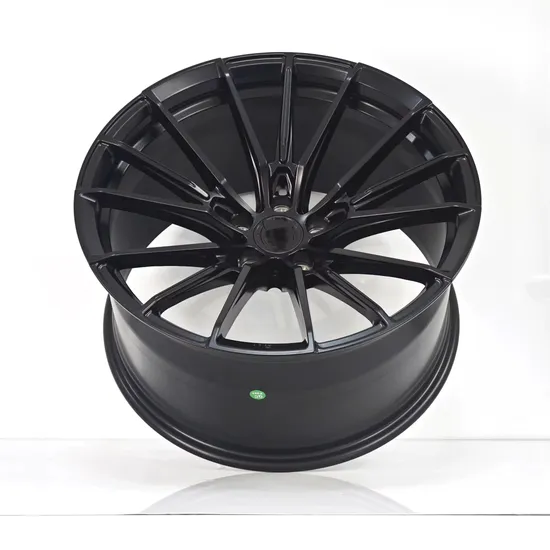
Black Chrome Forged Alloy Rim Wheels 15-19inch 5X100 5X112
Product IntroductionHigh quality forged aluminum alloy car wheels with customizable size (12-24"), finishing, color and style. Features equal diameter spokes,…
View Specifications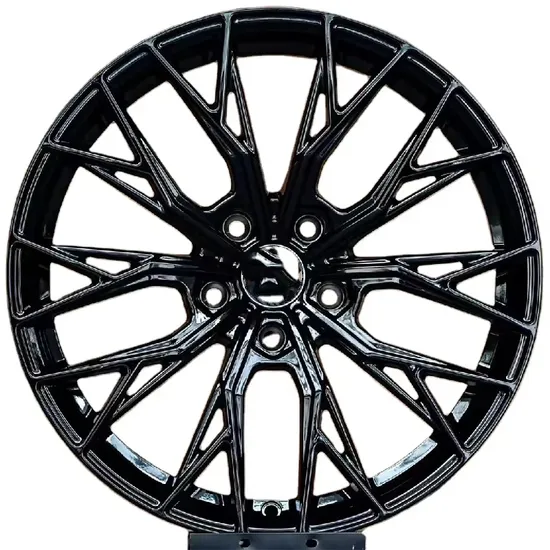 02
WHEEL RIM/HUB
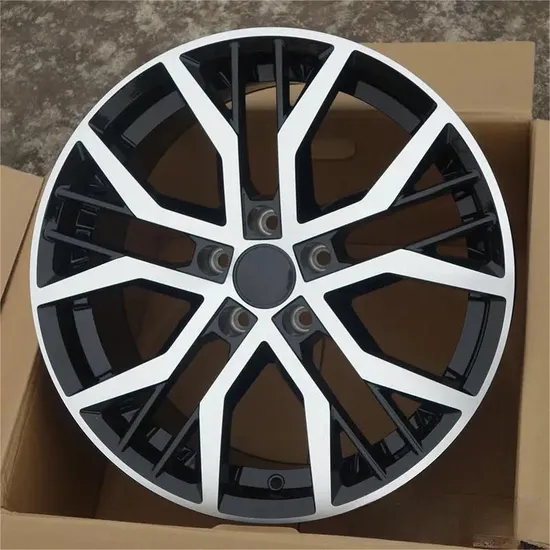
20inch 5*114.3 Black Machine Face Forged Alloy Wheels
Product IntroductionCustomized 20-inch multispoke aluminum forged alloy passenger car wheels with black machine face. Features 5*114.3 PCD, available in silver/hyper…
View Specifications 03
WHEEL RIM/HUB
Hot Sell Brand Car Wheel 14-24inch Rim 5-10 Hole PCD 5*112/120/139.7
Product IntroductionHot Sell Brand Car Wheel Hub with 14-24inch size, available in 5/6/8/10 holes and PCD options like 5*112, 5*120,…
View Specifications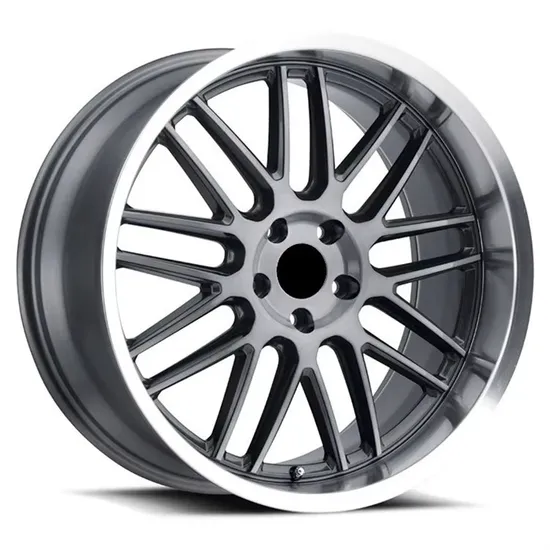 04
WHEEL RIM/HUB
18 Inch 4X110 4X114 Car Alloy Wheels Rims Oy17186
Product ParametersModel NO.OY17186MaterialAluminumSize16-20 InchDescriptionFactory wholesale 18 Inch car alloy wheels rims, made of aluminum with chrome finishing. Customizable ET, PCD,…
View Specifications