Alloy Wheels Price in Ghana: 2026 Wholesale Supplier Guide
Size alone does not dictate the final price—surface finish and certification compliance often swing the cost far more than rim diameter.
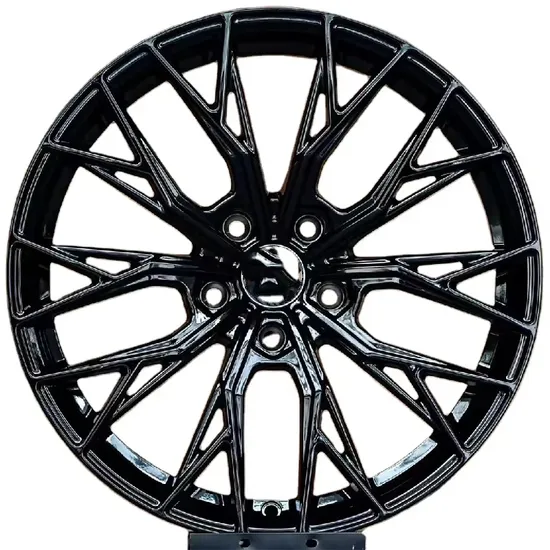
Alloy wheels price in Ghana typically ranges from budget-friendly 14-inch units for tro-tro minibuses to premium 20-inch deep concave setups for SUV modifications, with factory-direct sourcing from China cutting landed costs substantially compared to buying through local dealers. The final per-piece cost depends on four variables: rim size, surface treatment, international certification, and import duty allocation across the container.
I still remember standing in the sweltering heat at Apapa port in Lagos, watching a full container of alloy wheels get held up because the center bore data on the packing list did not match the physical product. The buyer was a taxi fleet operator in Accra who had ordered a batch for his Corolla fleet. Every day that container sat in the customs yard, storage fees piled up, and his phone calls grew louder. That situation could have been avoided with a single pre-shipment verification step. Since then, I check PCD, ET offset, and center bore three times before any container leaves the factory floor. When I prepare a quote for the Ghana market, I always start by asking which vehicles the wheels will mount on—a tro-tro running Accra-Kumasi routes daily needs something completely different from a modified Toyota Fortuner parked outside Osu restaurants. [NEED_CITE: Ghana vehicle registration statistics by vehicle type and origin market]
Let me walk you through exactly what drives the alloy wheels price in Ghana and how to navigate the sourcing process without ending up with a container full of unusable inventory.
What Factors Determine Alloy Wheel Prices in Ghana?
Four elements control the final landed cost: rim diameter, surface finishing process, international certification level, and ocean freight plus duty allocation. Many buyers assume bigger wheels automatically cost more, but the reality is more nuanced. A 15-inch chrome-plated wheel with VIA certification can easily cost more than a 17-inch matte black wheel without any testing documentation. The surface treatment alone—whether machined face, full chrome, gloss black, or hyper silver—adds different levels of processing time and material cost. [NEED_CITE: alloy wheel manufacturing cost breakdown by surface treatment process]
| Factor | Budget Tier | Mid-Range | Premium |
|---|---|---|---|
| Surface Finish | Basic painted | Machined face | Full chrome / custom color |
| Certification | Self-reported | VIA verified | VIA + TÜV dual certified |
| Quality Inspection | Sample-level | Batch-level | Full batch-level + pre-shipment |
| Salt-Spray Endurance | Basic | Noticeably extended | Substantially extended |
| Structural Warranty | None | Standard | Controlled |
A wholesale buyer in Tema once asked me why his 16-inch wheels from one supplier cracked after a few months on rough roads north of Tamale, while a competitor’s 15-inch wheels survived the same routes. The answer was not the size—it was the alloy composition and heat treatment process. The cheaper supplier used recycled aluminum with uncontrolled impurity levels, while the wheels that survived went through controlled alloy mixing and proper T6 heat treatment. The price difference at purchase was modest, but the replacement cost from road failures was many times higher. [NEED_CITE: alloy wheel failure analysis related to material composition and heat treatment standards]
When sourcing alloy wheels price in Ghana, always request the certification documents before negotiating volume pricing. A supplier who cannot produce valid VIA or TÜV test reports for the specific wheel design is selling you unverified inventory, regardless of how attractive the per-piece quote looks.
Which Sizes and Fitments Are Most Popular in Ghana?
The Ghanaian market splits into two clear segments: 14-16 inch wheels for commercial fleets and taxis, and 18-20 inch wheels for SUV and luxury vehicle modifications. The tro-tro minibuses that form the backbone of public transport in Accra, Kumasi, and Takoradi predominantly use 14 and 15-inch fitments. These vehicles need durable wheels that can handle potholed roads and heavy passenger loads day after day. [NEED_CITE: West Africa commercial vehicle wheel size distribution by fleet type]
| Vehicle Category | Popular Sizes | Typical PCD | Center Bore Range | Common Offset |
|---|---|---|---|---|
| Tro-tro / Taxi | 14-15 inch | 4×100 / 4×114.3 | 54.1-60.1 mm | Standard range |
| Sedan (Corolla, Accent, Rio) | 15-16 inch | 4×100 / 5×114.3 | 54.1-67.1 mm | Standard range |
| SUV (Fortuner, Santa Fe) | 18-20 inch | 5×114.3 / 6×139.7 | 60.1-106.1 mm | Varied by style |
An auto modification shop in East Legon recently ordered a batch of 20-inch deep concave wheels for Toyota Fortuner and Hyundai Santa Fe owners. The key challenge was not the design—it was matching the staggered fitment requirements and ensuring the color consistency across all pieces. The shop owner needed wheels that looked identical when mounted side by side, which requires controlled painting processes and batch tracking.
For the commercial fleet segment, the most critical specification is the center bore accuracy. I have seen entire shipments rejected at Tema port because the center bore was off by a fraction, making the wheels impossible to mount without hub rings—and hub rings on rough roads create vibration problems that drivers will not tolerate. Always confirm the exact center bore requirement for your target vehicles before placing a bulk order. [NEED_CITE: hub-centric vs lug-centric wheel fitment requirements for African road conditions]
How Much Do Import Duties and Shipping Add to the Final Price?
Import duty, VAT, and clearing fees typically add a substantial percentage on top of the CIF value, making full container load shipping the most cost-effective method for Ghana buyers. The Ghana Revenue Authority classifies alloy wheels under specific HS codes that attract customs duty, and the total tax burden includes import duty plus VAT plus the African Union levy and other statutory charges. [NEED_CITE: Ghana Customs import duty rates for alloy wheels under applicable HS code]
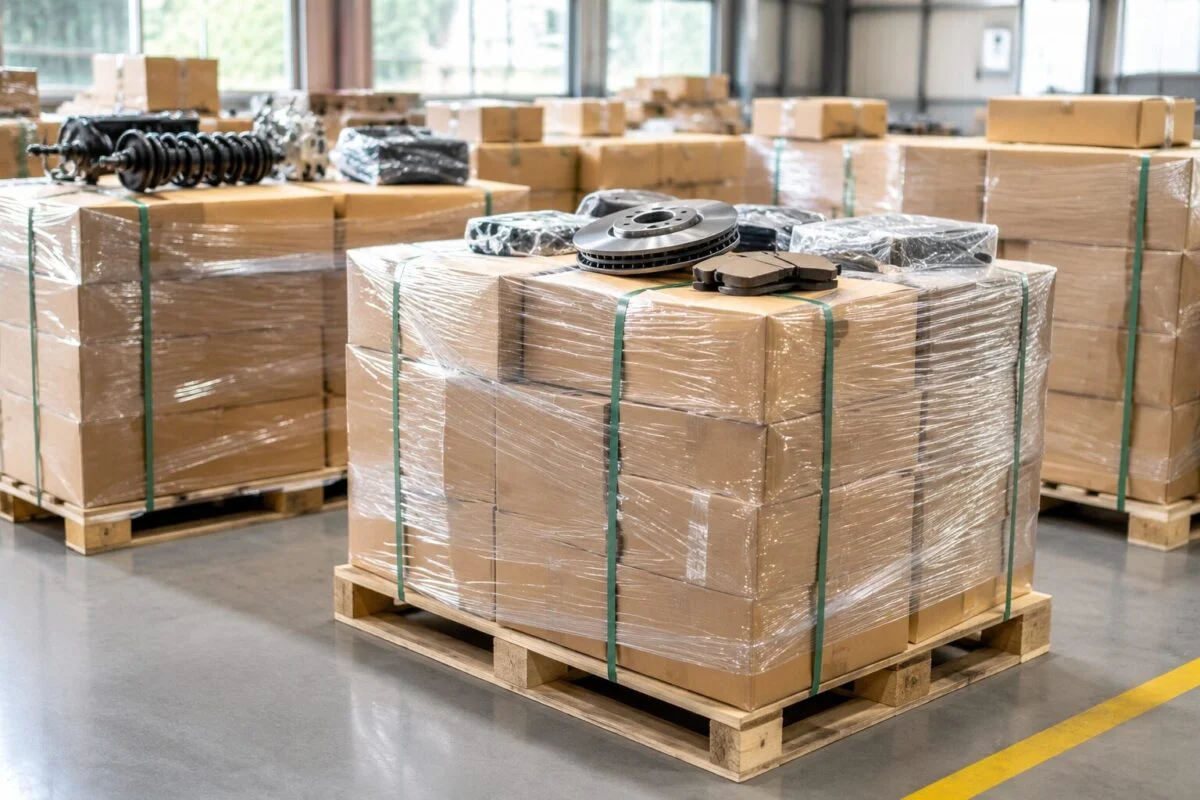
The shipping calculation works differently depending on order volume. A less-than-container load shipment means you pay for customs clearance and port handling fees on a smaller number of wheels, driving up the per-piece landed cost significantly. A full 20-foot container can hold a substantial quantity of 15-inch wheels, spreading the fixed import costs across many more units. This is why wholesale buyers who commit to full container orders see a noticeably lower per-piece price compared to those ordering partial shipments.
A distributor in Kumasi once calculated that his LCL shipment cost him nearly double the per-piece landed cost compared to his previous FCL order, even though the FOB price per wheel was similar. The port handling charges, customs agent fees, and storage costs for a partial shipment ate into his margin severely. Since then, he consolidates orders to fill full containers, even if it means holding more inventory.
| Cost Component | FCL Shipment | LCL Shipment |
|---|---|---|
| Ocean Freight Per Piece | Noticeably lower | Substantially higher |
| Customs Clearance Fee Per Piece | Noticeably lower | Substantially higher |
| Port Handling Per Piece | Noticeably lower | Substantially higher |
| Risk of Demurrage | Standard | Vulnerable |
When evaluating alloy wheels price in Ghana, always ask your supplier for a complete landed cost calculation that includes CIF price plus estimated duties and clearing fees. A factory-direct supplier experienced in West African exports can provide accurate HS code classification and duty estimates, helping you avoid surprises at the port. [NEED_CITE: Ghana import clearance process and typical timeline for alloy wheel shipments]
How to Choose a Reliable China Supplier for the Ghana Market?
Verification of international certifications, pre-shipment inspection protocols, and structural warranty terms separate reliable suppliers from risky ones. The Chinese alloy wheel manufacturing base includes factories ranging from highly certified export-oriented operations to small workshops producing unverified inventory. For the Ghana market, where road conditions demand durable wheels and customs officials scrutinize documentation, choosing the right supplier is critical.
Start by requesting valid certification documents. VIA certification confirms the wheel has passed dynamic radial fatigue, dynamic cornering fatigue, and impact testing standards. TÜV certification adds another layer of verification recognized across multiple markets. A supplier who claims certification but cannot produce test reports for the specific wheel model you are ordering is a red flag. [NEED_CITE: VIA certification testing standards for alloy wheel structural integrity]
| Supplier Capability | Verified | Self-Reported | Not Provided |
|---|---|---|---|
| VIA / TÜV Certification | Verifiable | Self-reported | Not provided |
| Pre-Shipment Inspection | Full batch-level | Sample-level | None |
| Structural Warranty | Controlled | Standard | None |
| West Africa Export Experience | Extensive | Limited | None |
A pre-shipment inspection protocol should include verification of PCD accuracy, ET offset measurement, center bore diameter check, and visual inspection for surface defects. I require three separate verification steps before any container leaves the production facility: first at the machining stage, second after surface treatment, and third during packing. This triple-check process has prevented multiple potential mismatches from reaching the port.
The warranty question matters more than many buyers realize. A structural warranty covering manufacturing defects for an extended period signals that the supplier stands behind the product quality. Suppliers who refuse any warranty commitment are typically selling wheels with uncontrolled material quality and process consistency.
When I work with West African buyers, I always recommend starting with a trial order to verify quality consistency before committing to large volume purchases. This approach allows you to test the wheels on actual vehicles in local conditions and confirm that the supplier’s documentation matches the physical product. A reliable supplier will support this approach and provide complete customs documentation to ensure smooth clearance at Tema or Takoradi ports. [NEED_CITE: best practices for importing alloy wheels from China to West Africa including documentation requirements]
Conclusion
The alloy wheels price in Ghana reflects a combination of manufacturing specifications, certification costs, and import logistics rather than rim size alone. Successful buyers focus on matching wheel specifications to local vehicle fleets, verifying supplier certifications, calculating complete landed costs, and implementing pre-shipment inspection protocols. Factory-direct sourcing from certified Chinese manufacturers provides a cost advantage, but only when the supplier has proven experience with West African export requirements and maintains rigorous quality control standards.
Parts mentioned
Products in this article
Each part below is supplied source-direct by Jinan Yoker, matched by OE number and checked through full-process inspection.
 01
WHEEL RIM/HUB
14-16inch 8*114.3 Forged Car Wheel Rim Sale
Product IntroductionBest-selling aftermarket forged car wheel rims available in 14-16 inches (8*114.3 fitment). Made of high-quality aluminum with customizable size,…
View Specifications 02
WHEEL RIM/HUB
14-16 Inch Flow Forming Alloy Car Wheels Rims
Product IntroductionHigh-quality 14-16 Inch Flow Forming Alloy Wheels, crafted from Aluminum with a sleek Black finish. Ideal for 4WD vehicles,…
View Specifications 03
WHEEL RIM/HUB
14-16inch 5 Spoke Aftermarket Car Alloy Wheels Rims
Product Introduction14-16inch aftermarket car alloy wheels with 5-spoke design, made of aluminum. Features black finishing, customizable style, and ISO/VIA/DOT certification,…
View Specifications 04
WHEEL RIM/HUB
14-16inch 4*100/114.3 Black Polished Lip Alloy Wheel Rim
Product IntroductionHigh-quality 14/15/16-inch aluminum alloy wheel rims with customizable size, color, and finishing. Features 4*100/114.3 bolt pattern, three-section variable diameter…
View Specifications