Alloy Wheels Supplier for Mexico: China Factory Direct
Low unit prices mean nothing if the container sits at Manzanillo for weeks. The real cost advantage of sourcing from a China alloy wheels supplier for Mexico lies in certified compliance, flexible customization, and documentation that clears customs on the first attempt.
Buying direct from a Chinese factory cuts out trading-company markups and gives you access to OEM-grade casting and machining at aftermarket prices. But the difference between a smooth delivery and a demurrage nightmare comes down to three things: NOM certification paperwork, visible DOT/JWL markings on the rim, and a supplier who has actually shipped to Latin America before. [NEED_CITE: Mexico SAT import regulations for automotive wheels require NOM compliance documentation] I learned this the hard way, watching a container of bright-finished 18-inch wheels get stuck at port because the paperwork was incomplete and the stamping was too shallow to read under dock lighting.
Let me walk you through what actually matters when you evaluate a China alloy wheels supplier for Mexico, from certification checks to the specs that move fastest off the shelf in Latin American shops.
What Certifications Does a China Alloy Wheels Supplier for Mexico Need?
NOM compliance is non-negotiable; DOT and JWL expand your market reach. Mexican customs will reject or hold any wheel shipment lacking proper NOM certification documents, regardless of how good the product looks. [NEED_CITE: NOM official Mexican standards for automotive wheel import requirements]
When I started handling Latin American orders, I assumed the wheels themselves were the main concern. Then a wholesale buyer in Guadalajara received a batch where the DOT stamp was barely legible. The port inspector couldn’t verify it, the container got flagged, and the buyer paid storage fees that ate into the entire order margin. Since then, I check every rim’s marking depth before it leaves the warehouse.
Here is what you should verify with any China alloy wheels supplier for Mexico:
| Certification | What It Covers | Document Type Needed |
|---|---|---|
| NOM | Mexican market legal compliance | Official certificate + test report |
| DOT | US highway safety standard | Self-certification + lab report |
| JWL/VIA | Japanese light-weight standard | VIA registration certificate |
| TÜV | European structural integrity | TÜV approval letter |
| ISO 9001 | Factory quality management | Valid certificate with scope |
| CCC | China domestic standard | Factory certificate copy |
A supplier holding multiple certifications typically runs more disciplined production lines. The paperwork trail matters as much as the stamp on the rim. Ask for scanned copies of every certificate before placing an order, and confirm the certificate holder name matches the company you are paying. [NEED_CITE: common certification fraud patterns in automotive wheel exports]
I have seen buyers accept a certificate that belonged to a different factory under the same group. Customs caught it. The entire shipment was returned at the buyer’s expense. Always cross-check the certificate number against the issuing body’s public database.
Which Wheel Sizes and Finishes Sell Best in Mexico?
Sixteen to twenty inches dominate; machined face and matte black lead finish preferences. The Mexican aftermarket leans heavily toward popular fitments for Toyota, Honda, Nissan, and Chevrolet models that dominate local roads. [NEED_CITE: Latin America automotive aftermarket wheel size demand distribution]
A modification shop in Monterrey once told me they kept rotating the same handful of sizes because those were what customers asked for week after week. Anything outside the mainstream sat on the shelf for months. The lesson: stock what moves, and treat exotic sizes as special orders.
| Size Range | Typical Application | Finish Popularity | Fitment Focus |
|---|---|---|---|
| 16-17 inch | Economy sedans, compact SUVs | Machined face, silver | Toyota Corolla, Honda Civic |
| 18 inch | Mid-size sedans, crossovers | Gloss black, machined | Nissan Sentra, Chevrolet Cruze |
| 19-20 inch | SUVs, pickup trucks | Matte black, gunmetal | Toyota RAV4, Honda CR-V |
| 22-24 inch | Luxury, show vehicles | Chrome, custom color | Full-size trucks, premium sedans |
When working with a China alloy wheels supplier for Mexico, confirm they can produce the full size range rather than just the popular ones. A factory that only casts 18-inch wheels will leave you scrambling when a customer wants 16-inch for a fleet order.
Surface treatment consistency matters more than buyers realize. I once inspected a batch where the gunmetal finish varied noticeably between rims in the same box. The buyer’s installation shop refused the lot. Proper powder coating or liquid paint lines with controlled curing temperatures prevent this. Ask the supplier about their coating process and whether they do batch-matching before packing. [NEED_CITE: automotive wheel surface treatment quality control standards]
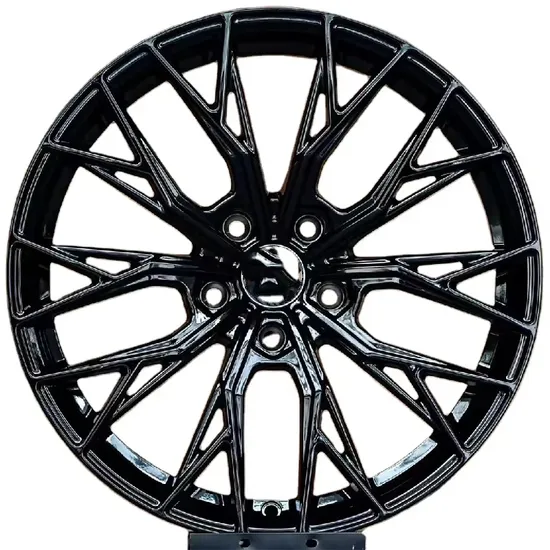
Deep concave designs and mesh patterns have gained ground among tuning enthusiasts. These styles require more complex mold work and longer production cycles. If your target customers include modification shops, make sure the supplier offers these designs with low minimum quantities for trial orders.
How Do Logistics and Customs Clearance Work for Mexico?
Pre-shipment document preparation determines whether your cargo clears in days or weeks. Ocean freight from major Chinese ports to Manzanillo or Veracruz typically takes a standard transit window, but the real variable is customs clearance speed. [NEED_CITE: typical ocean freight transit time China to Mexico west coast ports]
The difference between smooth clearance and port congestion comes down to preparation. I now require every Mexico-bound order to have a complete document package ready before the container even gets sealed. This includes the commercial invoice, packing list, bill of lading, certificate of origin, and all NOM-related test reports and certificates.
Here is the clearance sequence you should understand:
- Document submission to customs broker — Your Mexican broker needs every document in Spanish or with certified translation. Missing papers mean the broker cannot file the entry.
- NOM verification at port — Mexican authorities physically inspect wheel markings against submitted certificates. Faded or missing stamps trigger secondary inspection.
- Duty assessment and payment — Wheel imports carry specific tariff codes. Your broker must classify correctly to avoid overpayment or audit flags.
- Physical release — Once duties are paid and documents cleared, the container moves to the yard for pickup.
A wholesale buyer in Mexico City once faced a situation where their supplier provided a certificate of origin that did not match the actual shipping route. The document showed a different port of loading than what appeared on the bill of lading. Customs flagged the discrepancy, and the container sat for weeks. The buyer ended up paying storage and demurrage charges that exceeded the original freight cost. [NEED_CITE: Mexico customs document discrepancy penalties and delays]
Working with a China alloy wheels supplier for Mexico who understands these requirements prevents most problems. The supplier should prepare documents in parallel with production, not as an afterthought once the goods are already on the water. Ask for a document checklist at order confirmation and review it against your broker’s requirements before shipment.
FOB terms give you control over freight forwarding and let you choose a forwarder experienced with Mexican clearance. CIF terms shift freight responsibility to the supplier but leave you dependent on their chosen forwarder’s documentation quality. For first-time orders, FOB with your own forwarder usually provides better visibility.
How Should You Negotiate MOQ and Pricing?
Flexible minimum quantities separate serious suppliers from catalog-only traders. Many buyers assume Chinese factories demand container-load orders and walk away when they only need a few dozen pieces for a test run. The reality is that established manufacturers understand the value of building relationships through smaller initial orders.
A modification shop in Puebla wanted to test a new 20-inch deep concave design in gunmetal. They needed only a few dozen pieces to gauge customer response. The supplier accommodated the small batch, and within months that shop was placing regular orders that filled partial containers. The initial small order cost slightly more per piece, but it unlocked a recurring revenue stream for both sides.
| Order Type | Typical MOQ Range | Pricing Structure | Lead Time |
|---|---|---|---|
| Stock models | Low quantity, flexible | Standard catalog price | Short cycle, quick dispatch |
| Custom finish on stock design | Moderate quantity | Small upcharge for finish | Standard production cycle |
| Full OEM/ODM custom design | Higher quantity for mold amortization | Mold cost plus unit price | Extended cycle for mold development |
| Repeat orders | Reduced or waived minimum | Volume-based tier pricing | Priority scheduling |
When negotiating with a China alloy wheels supplier for Mexico, focus on the total relationship cost rather than just the per-piece price on the first order. A supplier willing to support small trial orders, provide samples at reasonable cost, and adjust MOQ as your business grows delivers more long-term value than one offering the lowest initial quote but demanding full containers from day one.
Private mold development for unique designs requires upfront investment and longer timelines. The mold cost gets amortized across your order quantity, so larger volumes bring the per-piece price down significantly. If you are developing a signature design for your market, discuss mold ownership terms and exclusivity arrangements early in the negotiation. [NEED_CITE: automotive wheel private mold development cost structures and terms]
Payment terms vary, but most suppliers require a deposit at order confirmation with the balance due before shipment or against copy of the bill of lading. Establish clear terms in your purchase agreement to avoid disputes later.
Conclusion
Certification paperwork and marking quality determine whether your wheels reach the shelf or the port storage yard. Sourcing from a China alloy wheels supplier for Mexico delivers genuine cost advantages when you verify NOM compliance, confirm visible DOT and JWL stamps, match sizes to local demand, and prepare customs documents before the container sails. The suppliers who invest in multi-certification systems and understand Latin American clearance requirements will save you far more than any marginal per-piece price difference.
Applications covered in this article
Parts mentioned
Products in this article
Each part below is supplied source-direct by Jinan Yoker, matched by OE number and checked through full-process inspection.
 01
WHEEL RIM/HUB
16-17 Inch Passenger Car Deep Hard Dish Alloy Mag Wheels Rims
Product IntroductionThese 16-17 inch passenger car alloy wheels feature a durable aluminum construction with a bead lock finishing, designed for…
View Specifications 02
WHEEL RIM/HUB
16-17inch 4X100/5X108/112 Silver Polished Concave Cast Coach Wheels
Product IntroductionHigh-quality aluminum Wheel Hub with customizable size (12-24"), finishing, color and style. Features Equal Diameter Spoke design, 4WD drive…
View Specifications 03
WHEEL RIM/HUB
19-20 Inch Aluminum Alloy Wheel Rim Oy17106 Five Split Spoke
Product IntroductionAluminum Alloy Wheel Rim with 19-20 inch size, five split spoke casting design. Made of carbon fiber, finished in…
View Specifications 04
WHEEL RIM/HUB
High Quality 19-20 Inch Spoke Passenger Car Wheels Rims
Product IntroductionHigh Quality Spoke 19-20 Inch Passenger Car Wheels OEM Replica Rims, featuring alloy material, black finishing, and customizable style.…
View Specifications